AI Map Shows Solar Developers Where Projects Will Thrive
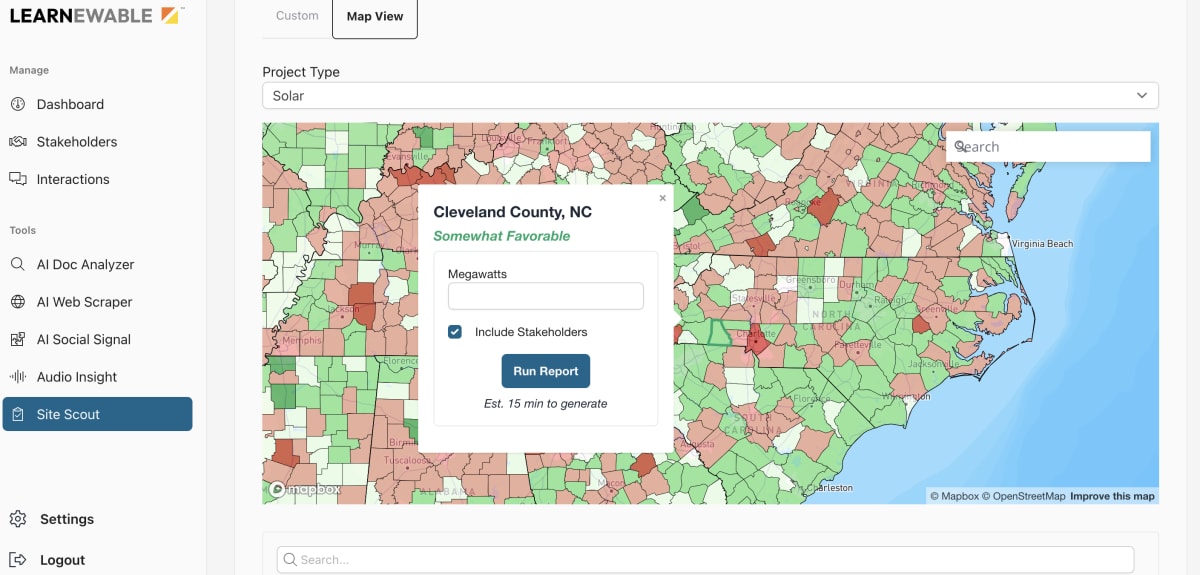
A startup called Learnewable just launched an AI tool that predicts local opposition to solar projects before developers waste time and money. The interactive county map analyzes public sentiment, permitting ease, and key stakeholders across 3,000+ U.S. counties.
Solar developers now have a crystal ball for spotting community resistance before it derails their projects.
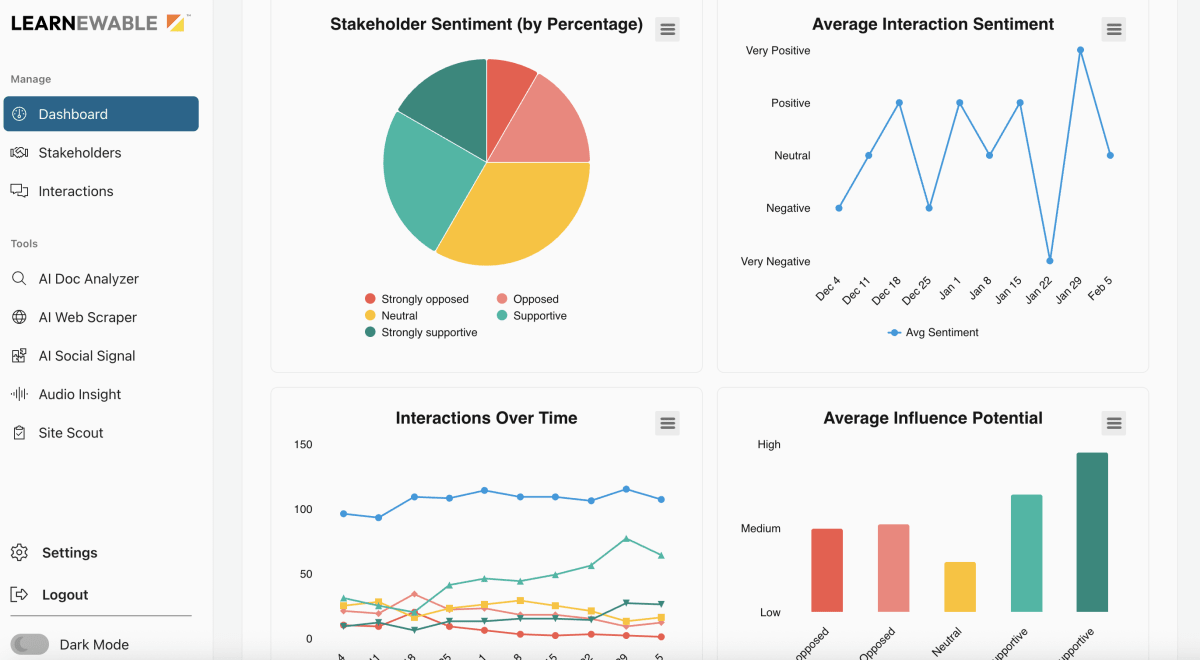
Learnewable, a startup founded in 2023, launched an AI-powered interactive map that shows solar developers exactly where their projects face community pushback. The tool analyzes public records, local news, and social media to score counties on a five-point scale for sentiment and permitting risk.
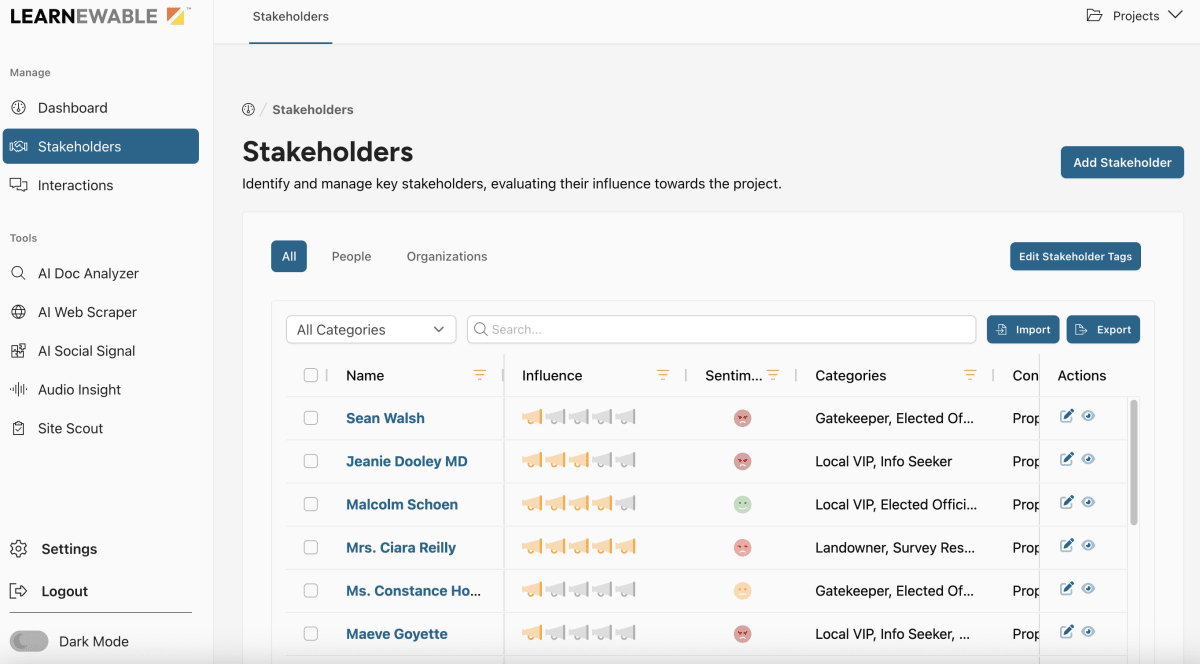
The platform's "Site Scout" feature digs even deeper into specific locations. It identifies key stakeholders by name, provides their contact information, and tracks evolving conversations that might signal new opposition.
"Other offerings map sentiment, but we identify stakeholders," said Jeremy Solomon, Learnewable's founder and president. The company uses multiple AI models to cross-validate information and minimize errors, addressing common concerns about AI accuracy.
One standout feature called "Audio Insight" downloads transcripts from YouTube videos of city council and planning board meetings. The tool then summarizes each stakeholder's viewpoint and ranks their potential influence using an algorithm developed with a psychologist.
Solomon interviewed over 100 developers to understand what they actually needed. That research led to what he calls the company's "secret sauce," a proprietary algorithm that categorizes stakeholders by their potential impact on projects.
The platform now covers more than 3,000 U.S. counties and has expanded beyond solar to include wind, battery storage, and even data centers. Developers can use the tools without hiring consultants, and they own all the data generated.
The Ripple Effect
This technology could accelerate America's clean energy transition by helping developers avoid costly mistakes and focus on communities ready to embrace renewable projects. When developers know where they're welcome, they can build faster and waste fewer resources on sites doomed to fail.
Better site selection also means fewer contentious battles that leave communities divided. Projects land where they're wanted, creating jobs and clean energy in places eager for both.
Solar and wind projects are racing to meet climate goals, and this tool helps make sure every effort counts.
More Images
Based on reporting by PV Magazine
This story was written by BrightWire based on verified news reports.
Spread the positivity!
Share this good news with someone who needs it