AI May Soon Make Medical Breakthroughs Humans Can't
Artificial intelligence is evolving from answering questions to potentially discovering new medical knowledge that could save lives. Experts say we're on the verge of AI systems that generate original hypotheses and conduct experiments, not just analyze existing data.
Artificial intelligence might soon do something revolutionary: make scientific discoveries that humans haven't thought of yet.
Jorge Reis-Filho, Chief Strategy Officer at Foresite Labs, says AI is approaching a major turning point. Instead of just retrieving and organizing information we already know, the next generation of AI could actually expand human knowledge by making original discoveries in medicine and biology.
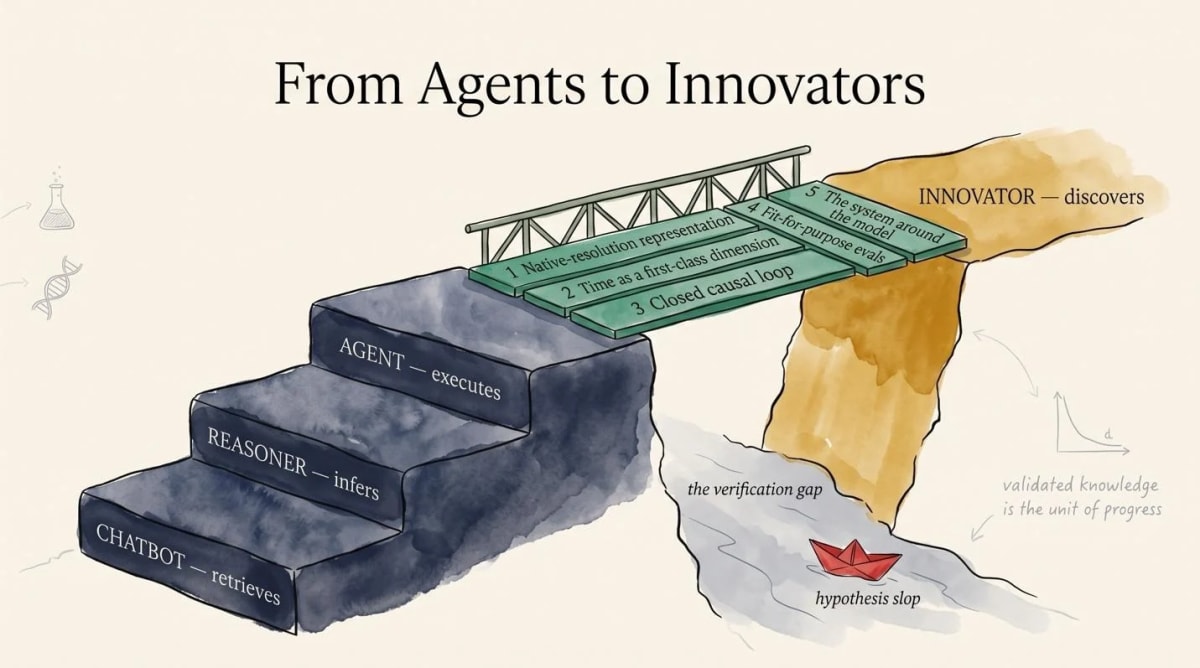
The progress has been remarkable. Chatbots made information conversational, letting anyone access complex knowledge through simple questions. Reasoning models learned to solve complicated problems by breaking them into steps and weighing different possibilities. AI agents added memory and planning, allowing them to pursue goals and complete sophisticated tasks across different platforms.
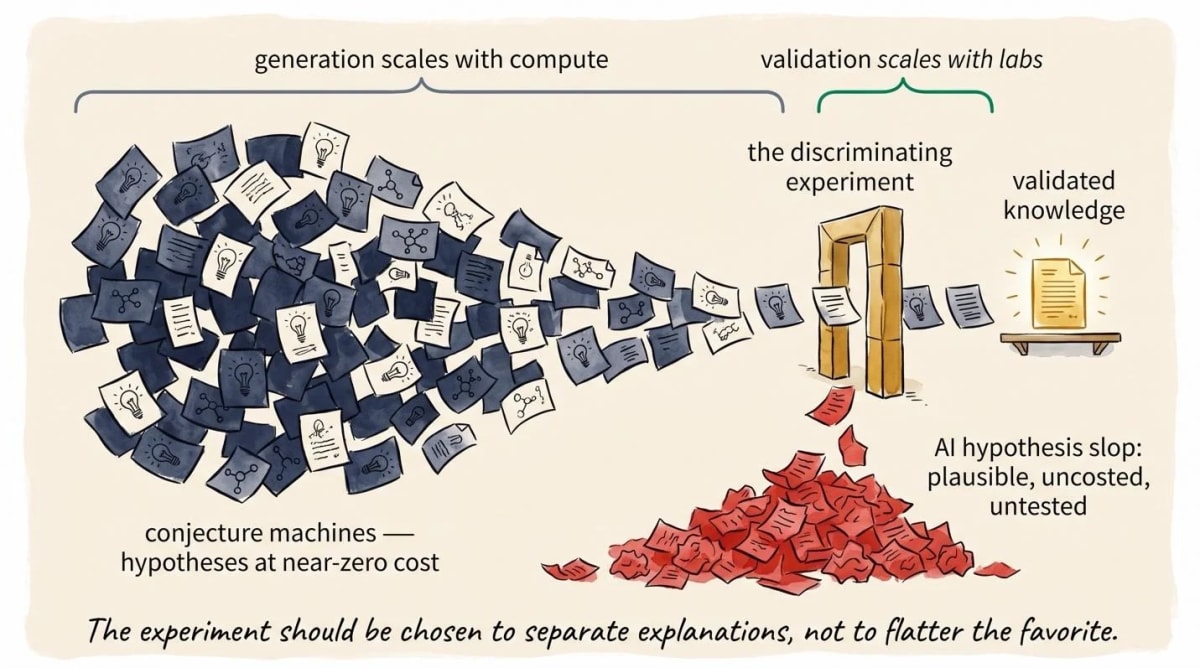
But here's what makes the next step so exciting: AI innovators could generate brand new hypotheses, design experiments to test them, and create knowledge that survives real-world validation. That's fundamentally different from systems that work with information that already exists.
Reis-Filho's team ran a fascinating test. They asked AI agents to revisit 20 major pharmaceutical decisions using only the evidence available at the time those decisions were made. Sometimes the AI made better choices than the humans did. Other times, it failed exactly like the humans failed because the necessary evidence simply didn't exist yet. No amount of smart analysis can predict an experiment that hasn't been run.
Why This Inspires
Some fields are already seeing superhuman AI performance. Advanced AI achieved gold medal performance at the 2025 International Mathematical Olympiad. Other systems have improved solutions to unsolved math problems and optimized algorithms running in Google's infrastructure.
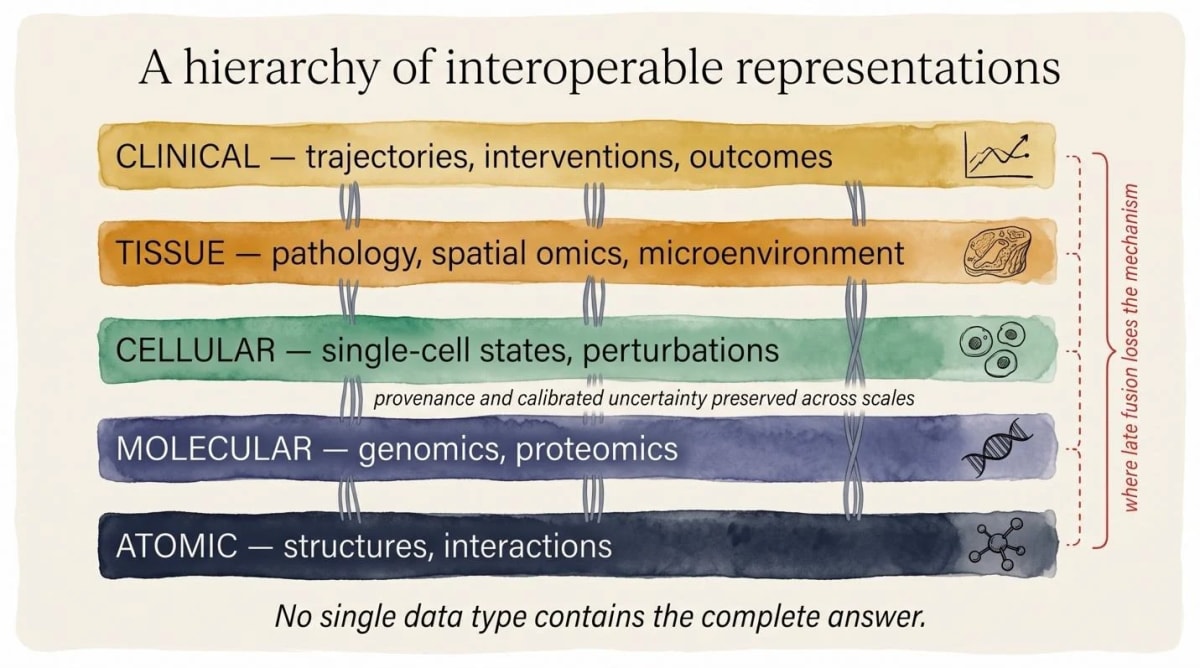
These domains moved first because they have clear advantages: code either works or it doesn't, math proofs can be checked, and algorithms can be tested millions of times quickly. Biology is far messier. Experiments can take years and cost millions. Patients don't come with readable source code, and the best measure of success might be a health outcome observed years later.
Even within biology, progress varies wildly. Protein design has advanced quickly because scientists have 50 years of organized structural data and fast testing methods. Clinical medicine, where results take years to measure, still waits for its breakthrough.
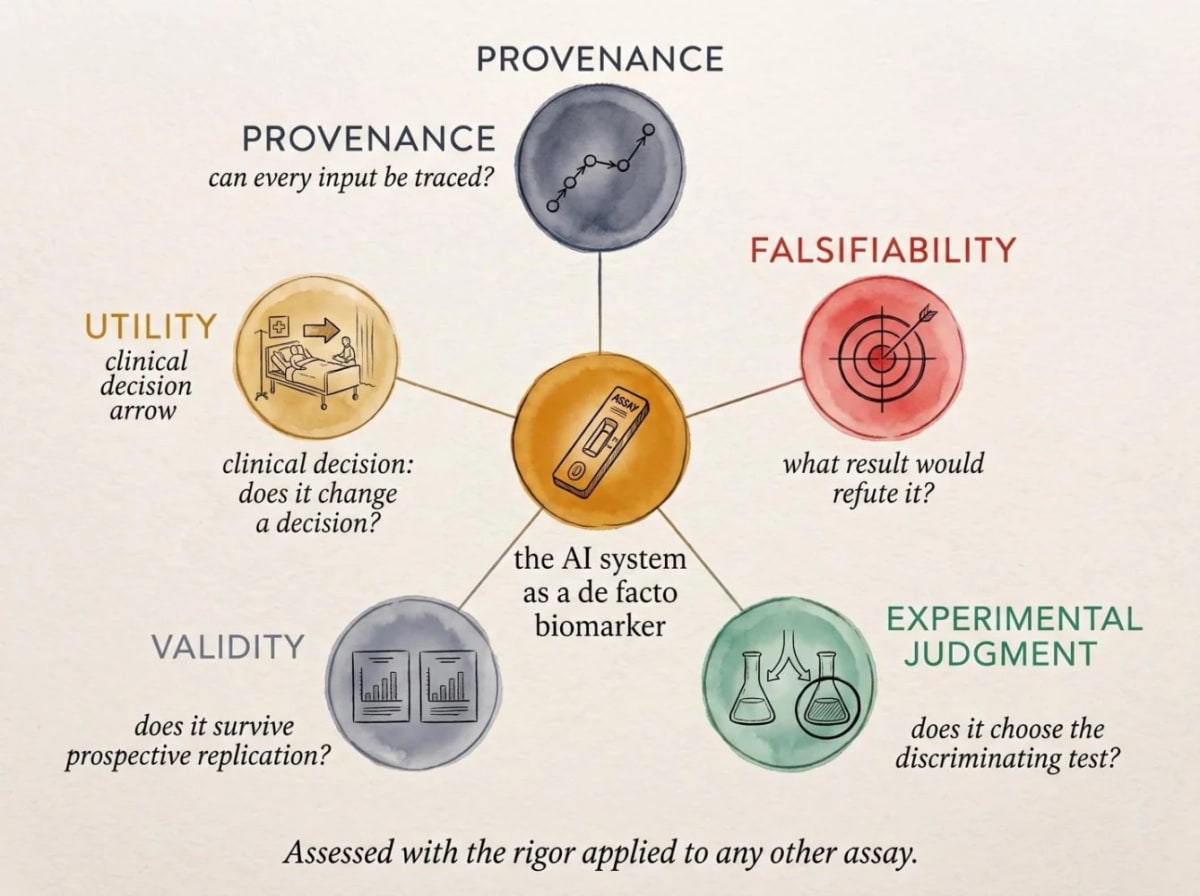
The vision Reis-Filho describes is "biomedical superintelligence," meaning AI systems that generate validated medical knowledge and make better patient decisions than the world's leading human experts with the same information.
We're watching AI transition from a tool that helps us think to one that might think thoughts we haven't had yet.
More Images
Based on reporting by Google: breakthrough discovery
This story was written by BrightWire based on verified news reports.
Spread the positivity!
Share this good news with someone who needs it