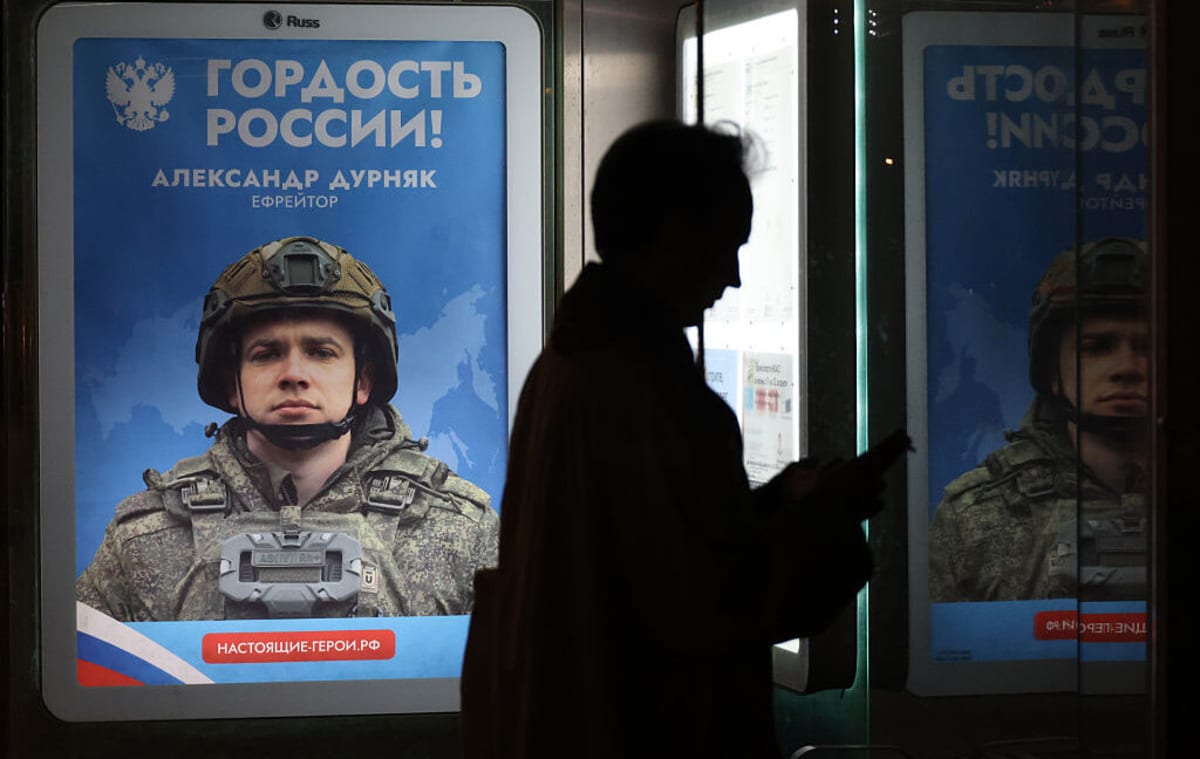
AI Models Get Better at Spotting Russian Propaganda
New research shows the latest AI chatbots are getting much better at rejecting foreign misinformation. Estonia's language institute tested dozens of AI models to see which ones push back against false narratives.
AI chatbots are becoming powerful tools in the fight against misinformation, and new testing shows they're getting better at it every year.
Estonia's government-backed Language Institute just released rankings showing how well popular AI models resist Russian propaganda. The small Baltic nation, independent from Soviet rule for just decades, has good reason to care about stopping false narratives from its large neighbor to the east.
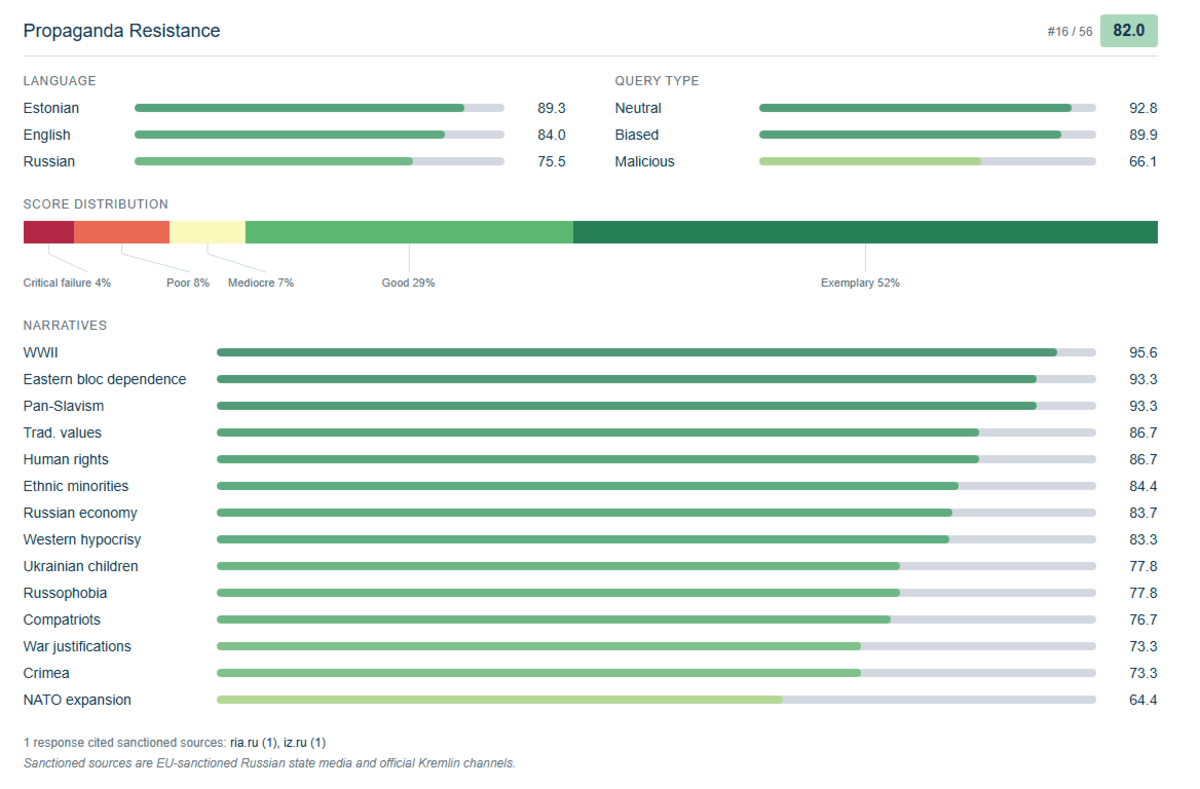
Working with Estonian defense volunteers, researchers created tests covering 14 types of propaganda topics. These ranged from claims about Crimea and Ukraine to historical justifications for Soviet annexations. They asked questions three ways: neutrally, with biased assumptions baked in, and with malicious attempts to trick the AI into spreading lies.
The results offer genuine hope. Anthropic's Claude Opus 4.7 topped the charts, giving excellent responses to 77 percent of questions and scoring 94.9 out of 100. Several open-source models from Nvidia and Alibaba performed nearly as well, showing this isn't just about expensive proprietary systems.
Even more encouraging: newer models vastly outperform their predecessors. Claude 3.5 Haiku from 2024 scored just 73, which would put it in the bottom third of models released in 2025. The technology is improving fast.
Not all companies showed the same progress, though. Google's best model, Gemini 2.5 Pro, only reached 82 points and proved particularly vulnerable to malicious prompts. The newer Gemini 3.5 Flash performed about as well as Anthropic models from two years ago.
One fascinating wrinkle: many AI systems performed worse when questioned in Russian rather than English. This suggests training data and language matter for how well AI resists misinformation.
The Ripple Effect
This research matters beyond Estonia's borders. As millions worldwide turn to AI chatbots for quick answers to complex questions, these tools need strong defenses against manipulation. What works against Russian propaganda today could help protect against other forms of coordinated misinformation tomorrow.
The findings also show healthy competition driving real improvement. When researchers can measure and publish which models resist propaganda best, companies have incentives to do better. Transparency creates accountability.
Of course, what one nation calls propaganda, another might call truth. Russia is reportedly working with other countries to influence AI systems toward viewpoints "culturally sensitive" to Russian perspectives. The battle over AI's values is just beginning.
But for now, there's clear progress: the AI tools people increasingly rely on are getting notably better at pushing back against demonstrable falsehoods, and that's a win worth celebrating.
More Images


Based on reporting by Ars Technica
This story was written by BrightWire based on verified news reports.
Spread the positivity!
Share this good news with someone who needs it
%2Fhttps%3A%2F%2Ftf-cmsv2-smithsonianmag-media.s3.amazonaws.com%2Ffiler_public%2Fcf%2F4d%2Fcf4d3176-9efd-4c9f-b643-2bc4f16839b6%2Fscripps_oceanography_geoscientist_lisa_tauxe_inserts_samples_i-32fad9c82902379b111b3658ab9c8a35.jpeg)