AI Partner Speeds Up Research on Aging, Disease, and More
Scientists at Stanford, MIT, and Cambridge are using Google DeepMind's Co-Scientist AI to accelerate breakthroughs in liver disease, aging, and infectious diseases. The system helps researchers digest decades of studies in days, spotting connections humans might miss.
Scientists hunting for cures to some of medicine's toughest challenges just got a powerful new research partner that can read every biomedical paper ever published and connect the dots faster than any human team.
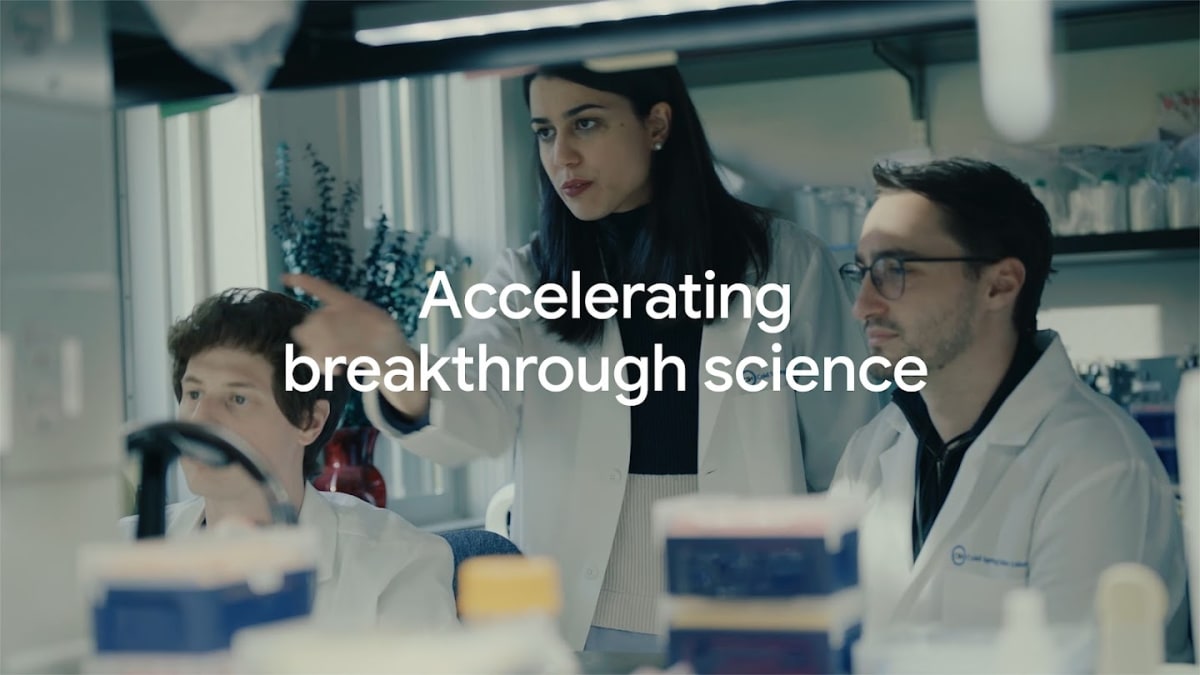
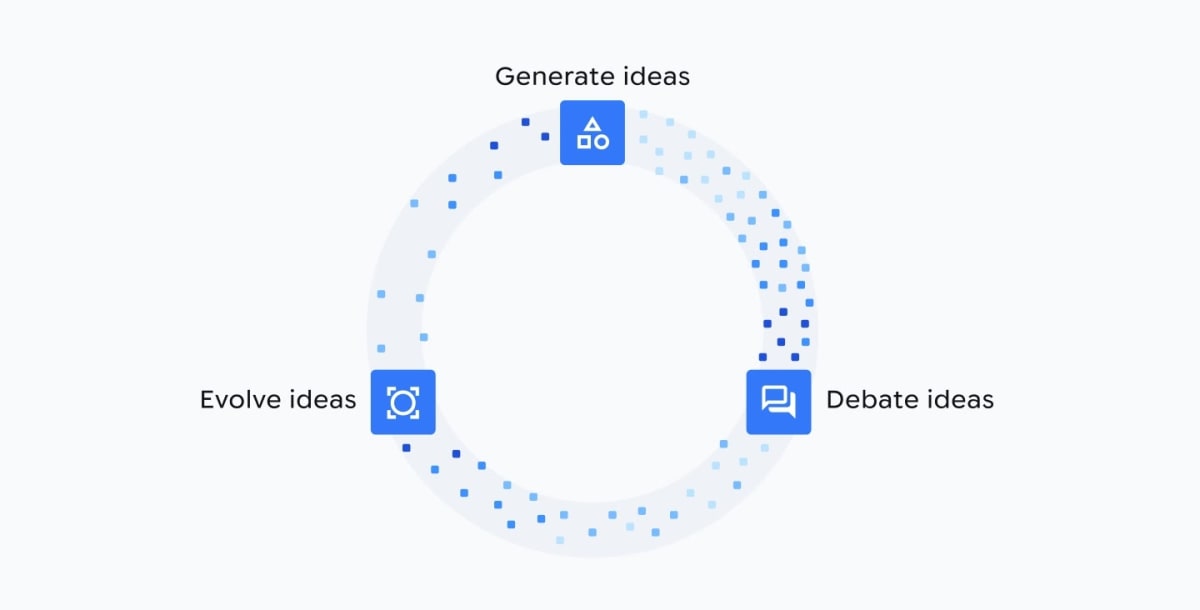
Google DeepMind's Co-Scientist is helping researchers at top universities speed up discoveries in liver disease, aging, ALS, and infectious diseases. The AI system doesn't replace scientists but works alongside them, proposing testable ideas and highlighting overlooked connections in mountains of research data.
At Stanford, Professor Gary Peltz used Co-Scientist to find new treatments for liver fibrosis. The system spotted drug candidates other researchers had missed, including one that blocked 91% of a scarring response in lab tests. The promising results were just published in Advanced Science.
MIT's Ritu Raman describes science as a team sport, and Co-Scientist has become a valuable teammate. The system helped her lab connect with collaborators at another university to explore RNA-based approaches for treating ALS, a devastating degenerative disease.
At Calico Life Sciences, researchers are tackling aging itself. The AI system generated a novel hypothesis about cellular stress that scientists found genuinely exciting and later confirmed in their lab. What would normally take months of literature review now happens in a day.
Cambridge Professor Clare Bryant is using the technology to identify why some animal viruses like flu and COVID-19 cause severe disease when they jump to humans. By helping her narrow down specific proteins to test, Co-Scientist could cut years of experimental work down to months.
The Ripple Effect: The AI doesn't just speed up individual labs. It's helping scientists from different specialties find each other and combine their expertise in new ways. When Ritu Raman's lab needed specific knowledge outside their field, Co-Scientist helped identify exactly which experts could strengthen their research leads.
Omar Abudayyeh at MIT compared using the system to having 50 people working for a day, analyzing huge screening datasets that previously took months. His lab is using those insights to identify genetic leads that rejuvenate aging cells in laboratory tests.
University of Edinburgh's Filippo Menolascina calls it "a jetpack for scientists." The system helped him understand why an existing liver disease drug only helps some patients, an insight his lab tests later supported. He believes we're on the brink of a scientific revolution that will dramatically shorten the time between questions and breakthroughs.
Every researcher emphasized the same point: Co-Scientist can't do science alone. But by handling the overwhelming task of synthesizing decades of published research, it frees scientists to focus on asking better questions and running the experiments that matter most.
The race to cure diseases that affect millions just got faster.
More Images
Based on reporting by Google: scientific discovery
This story was written by BrightWire based on verified news reports.
Spread the positivity!
Share this good news with someone who needs it