AI Platform Speeds Up Cancer Treatment Discovery at VCU
Scientists at VCU Massey Cancer Center and partner institutions created an AI-powered platform that tests hundreds of cancer treatments simultaneously on patients' own tumor cells. The technology could help doctors choose personalized treatments faster and improve outcomes for cancers with limited options.
Scientists just made finding the right cancer treatment faster and smarter by teaching computers to test hundreds of drugs at once on tiny replicas of real tumors.
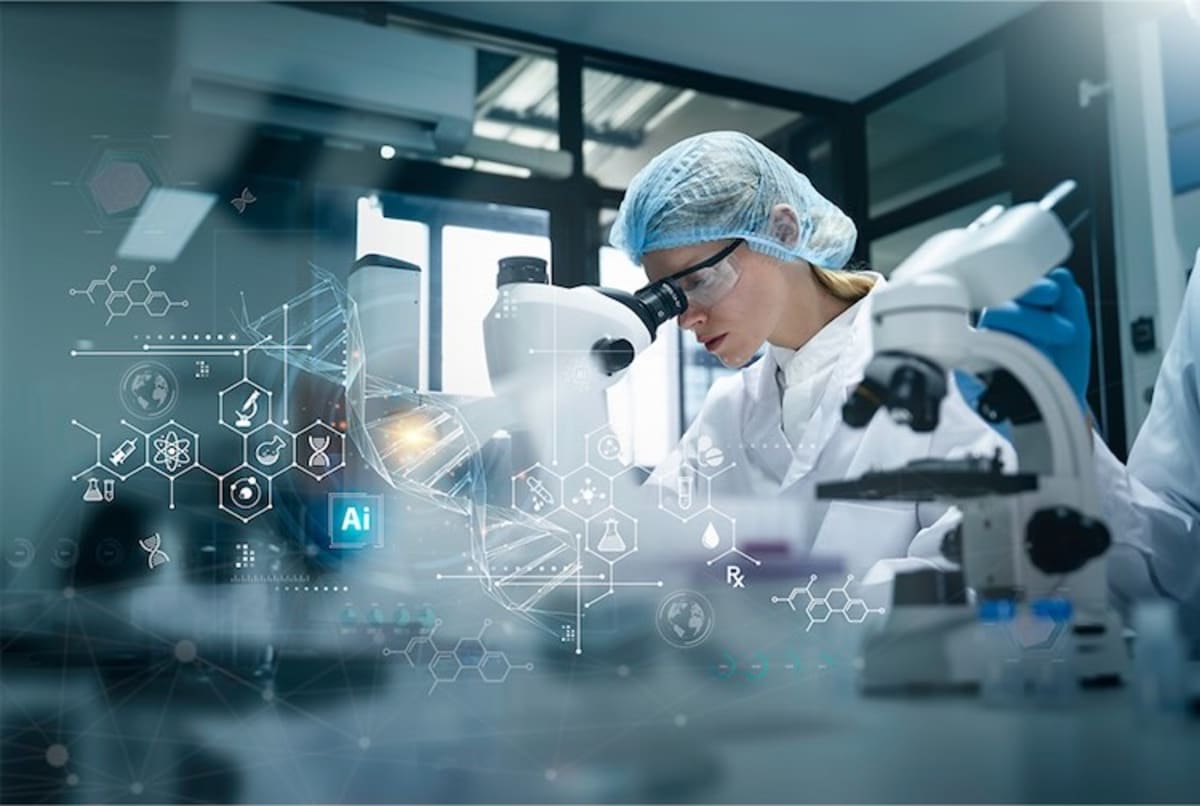
Researchers at VCU Massey Comprehensive Cancer Center teamed up with UCLA Health and the University of Colorado to build a platform that combines 3D printing, advanced imaging, and artificial intelligence. The system creates miniature lab-grown versions of patient tumors called organoids and watches how they respond to different treatments in real time.
The approach addresses a major challenge in cancer care: finding the right therapy quickly. Traditional testing methods are slow and often don't reflect how a patient's actual tumor will respond to treatment.
Here's how it works. Doctors take cancer cells from a patient and use 3D bioprinting to create tiny tumor replicas embedded in a gel that mimics the body's natural environment. Advanced cameras then monitor these organoids continuously without using dyes or chemicals that might change how the cells behave.
The real magic happens when AI takes over. Machine learning analyzes thousands of images to track exactly how each organoid grows or shrinks in response to different drugs. The system can spot patterns that human researchers might miss and identify which specific tumor cells resist treatment.
"Instead of asking whether a drug works on average for a large number of tumor cells, we can now determine which specific organoids respond and which do not," said Dr. Michael Teitell, director of UCLA Health Jonsson Comprehensive Cancer Center.
Dr. Jason Reed, a scientist at VCU Massey and physics professor at Virginia Commonwealth University, helped create the real-time screening technology. His team's instrumentation integrates with UCLA's organoid printing to create what Reed calls "a compelling example of the public return on investment for government research funding in biomedicine."
The platform was detailed in Nature Protocols so other research teams can adopt the technology. That means the benefits could spread quickly across cancer centers nationwide.
Why This Inspires
This breakthrough puts power back in patients' hands by testing treatments on their own tumor cells before those drugs ever enter their bodies. No more guessing which therapy might work or enduring months of ineffective treatments with harsh side effects.
The technology works equally well for common cancers and rare types with few treatment options. Because the system analyzes responses at the individual organoid level, it can detect rare resistant tumor populations that might cause a cancer to return later.
Perhaps most importantly, the platform speeds up the entire drug discovery process. Researchers can now evaluate hundreds of potential therapies simultaneously instead of testing them one by one over years. That acceleration could bring new treatments to patients who need them much sooner.
The collaboration between three major research institutions shows how sharing innovation amplifies impact. With support from VCU's Wright Center for Clinical and Translational Research, the team created something none could have built alone.
Cancer treatment is becoming less about trial and error and more about precision, powered by technology that learns and adapts as fast as tumors do.
Based on reporting by Google News - New Treatment
This story was written by BrightWire based on verified news reports.
Spread the positivity!
Share this good news with someone who needs it