AI Predicts Fusion Plasma Crisis 200ms Before It Happens
Princeton scientists created an AI system that controls fusion reactions in milliseconds, predicting and preventing dangerous plasma instabilities before they occur. This breakthrough could help unlock fusion energy as a clean, unlimited power source.
Scientists just taught artificial intelligence to think faster than a fusion reaction can fail, opening new doors toward unlimited clean energy.
Researchers at Princeton University and the U.S. Department of Energy's Princeton Plasma Physics Laboratory developed PACMAN, an AI system that monitors and controls fusion plasma in just 20 milliseconds. That's 100 times faster than even the most focused human operator can react.
The speed matters because fusion reactions are incredibly delicate. Inside machines called tokamaks, plasma hotter than the sun's core can become dangerously unstable in just a few thousandths of a second. Until now, those rapid changes happened too quickly for humans to prevent.
PACMAN proved its worth across five real experiments at the DIII-D National Fusion Facility in San Diego. In the most impressive test, it predicted a damaging plasma instability called a tearing mode about 200 milliseconds before it formed, then automatically adjusted the system to stop it completely.
"Machine learning models can describe the plasma behavior very well, and importantly, they are the only way we have to model the plasma in millisecond times," said Hiro Farre Kaga, a Princeton graduate student who co-led the research. "The speed of these models is what's key for control."
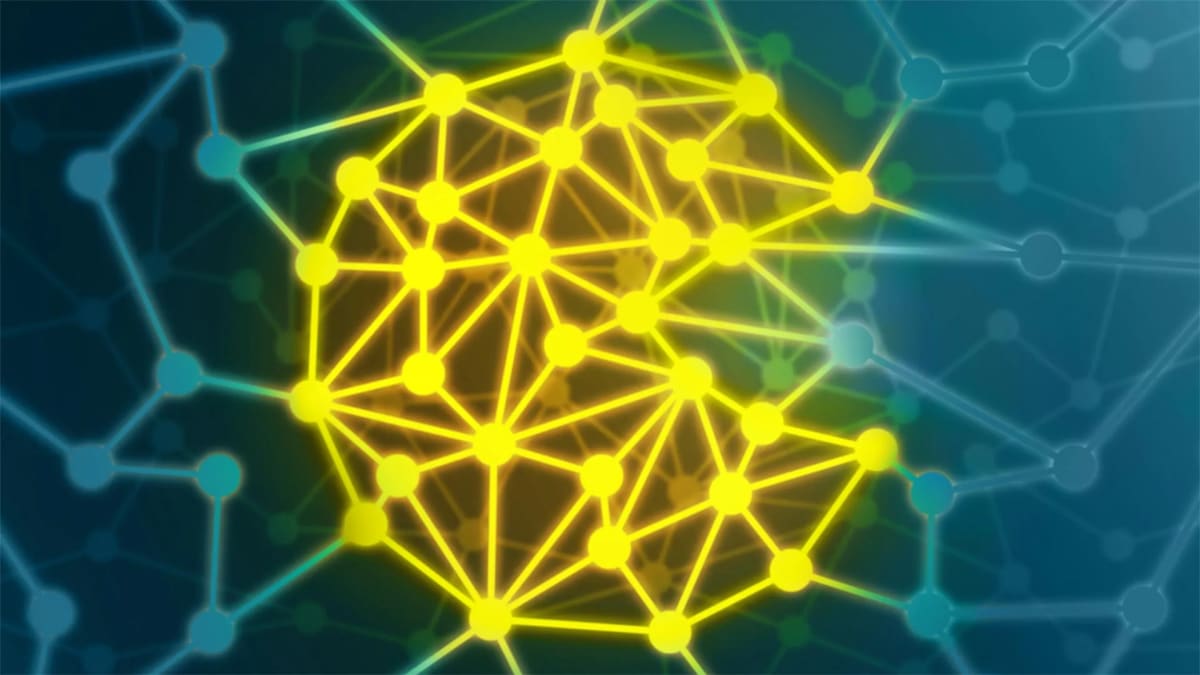
The system works like an assembly line. It continuously gathers live measurements including temperature, density, and magnetic signals from the fusion reactor. Multiple AI models analyze those readings, predict what might happen next, and send commands to heating systems, magnets, and gas injectors to keep everything stable.
What makes PACMAN special is that different AI models can work together seamlessly within one framework. Previous fusion control systems were built individually and couldn't easily communicate with each other.
"We developed this framework so that models could communicate, outputs from those models could be shared and we could do exciting physics in one integrated system," said co-lead author Andy Rothstein, a Princeton engineering graduate student.
The system runs continuously in a loop, spotting tiny changes in the plasma and making adjustments no human could manage. During testing, PACMAN successfully controlled heating systems, predicted energy bursts, detected plasma waves, and adjusted density and rotation to exact targets.
Why This Inspires
Fusion energy has tantalized scientists for decades because it promises virtually unlimited electricity without the carbon emissions of fossil fuels or the radioactive waste of traditional nuclear power. The fuel comes from abundant materials, and the process creates no long-lived radioactive byproducts.
The challenge has always been control. Keeping plasma stable long enough to generate more energy than the system consumes requires split-second decisions across dozens of variables simultaneously.
PACMAN shows that AI can handle that complexity while keeping humans in charge of overall objectives and safety limits. Scientists set the goals, and the AI figures out how to achieve them faster than physics can spiral out of control.
The framework's modular design means researchers can plug in new AI models without rebuilding the entire system. As machine learning advances, PACMAN can evolve with it.
This breakthrough brings commercial fusion energy closer to reality, offering hope for a world powered by clean, abundant electricity.
Based on reporting by Science Daily
This story was written by BrightWire based on verified news reports.
Spread the positivity!
Share this good news with someone who needs it