AI Predicts Spinal Cord Disease 30 Months Before Symptoms
Researchers at Washington University developed an AI system that can detect a debilitating spinal cord condition up to 30 months before doctors typically diagnose it, opening the door for earlier treatment and better outcomes. The breakthrough shows that simpler, clinically-informed AI models can outperform massive foundation models in real-world healthcare settings.
Thousands of older adults suffer from cervical spondylotic myelopathy (CSM), a painful spinal cord condition caused by arthritis in the neck, but by the time symptoms become noticeable, treatment options are often limited.
Now a team at Washington University has created an AI system that can spot CSM up to two and a half years before a clinical diagnosis happens. The breakthrough could transform how doctors catch and treat this progressive condition that causes neck pain, muscle weakness, and difficulty walking.
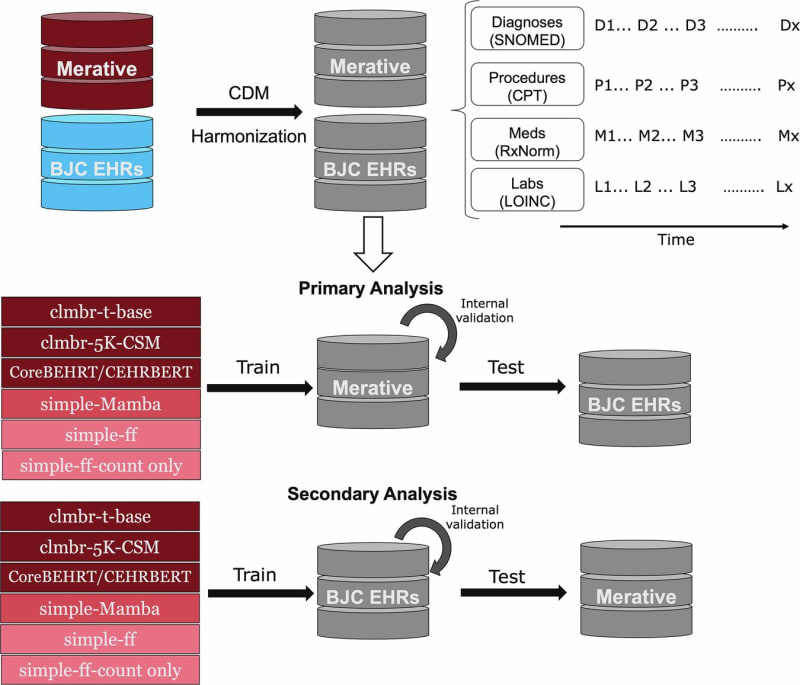
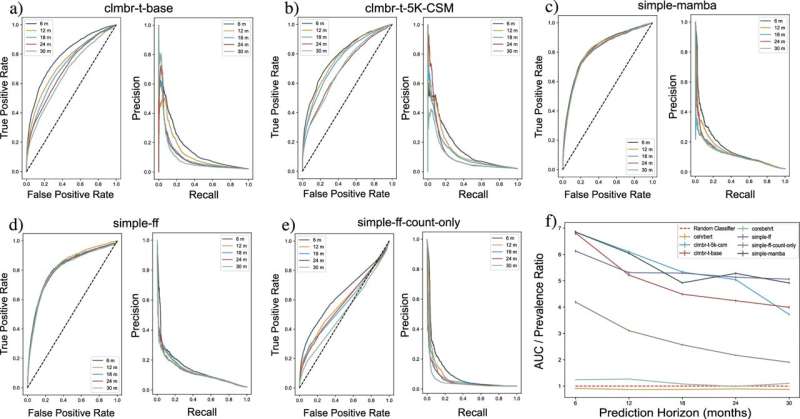
The research team analyzed electronic health records from more than 2 million people, training seven different AI models to recognize early warning patterns. Dr. Jacob Greenberg, assistant professor of neurosurgery at WashU Medicine, explained that CSM is notoriously difficult to predict because symptoms develop so slowly.
"We wanted to know if we could use the information within the electronic health record to try to identify these patients early enough," Greenberg said. The goal was finding people at risk during a window when intervention could still make a real difference.
The team discovered something unexpected. While massive "foundation models" trained on millions of patient records performed well initially, smaller models built with specific clinical knowledge actually worked better across different hospital systems.
"We were able to achieve at least comparable, if not superior, performance with a much, much simpler model by focusing on existing clinical knowledge," Greenberg noted. The finding challenges the assumption that bigger AI systems always deliver better results in healthcare.
Why This Inspires
This research proves that smart, focused solutions can outperform brute-force approaches. By combining human medical expertise with artificial intelligence, the team created a tool that's both powerful and practical.
The implications reach far beyond one condition. Professor Chenyang Lu, who directs the AI for Health Institute, emphasized that "clinical knowledge remains essential for developing robust and trustworthy AI tools." It's a reminder that human insight and machine learning work best as partners, not competitors.
For patients, the promise is clear: earlier detection means more treatment options and better outcomes. Instead of waiting years for symptoms to become severe, doctors could intervene when therapies are most effective.
The research, published in npj Digital Medicine, demonstrates that the future of medical AI isn't just about bigger datasets but smarter applications of what doctors already know.
More Images

Based on reporting by Medical Xpress
This story was written by BrightWire based on verified news reports.
Spread the positivity!
Share this good news with someone who needs it