AI Predicts Which Bowel Cancer Patients Benefit From Drug
Scientists developed an AI tool that identifies advanced bowel cancer patients unlikely to respond to a recently approved NHS drug, potentially sparing thousands from ineffective treatment and serious side effects. The breakthrough could personalize care and guide patients toward therapies that actually work for them.
Thousands of advanced bowel cancer patients could soon avoid treatments that won't help them, thanks to a powerful new AI system developed by scientists in London and Dublin.
Nearly 10,000 people in England are diagnosed with advanced bowel cancer each year, with cases rising among young adults. Until December, treatment options were severely limited.
The NHS recently approved bevacizumab, a targeted drug that slows cancer growth. But there's a significant problem: it only works for a small group of patients and carries serious risks including high blood pressure, gastrointestinal problems, and blood clots.
Researchers at The Institute of Cancer Research and RCSI University of Medicine and Health Sciences created an AI method that identifies which patients will actually benefit from the drug. The system can also pinpoint those who won't respond, sparing them from unnecessary side effects.
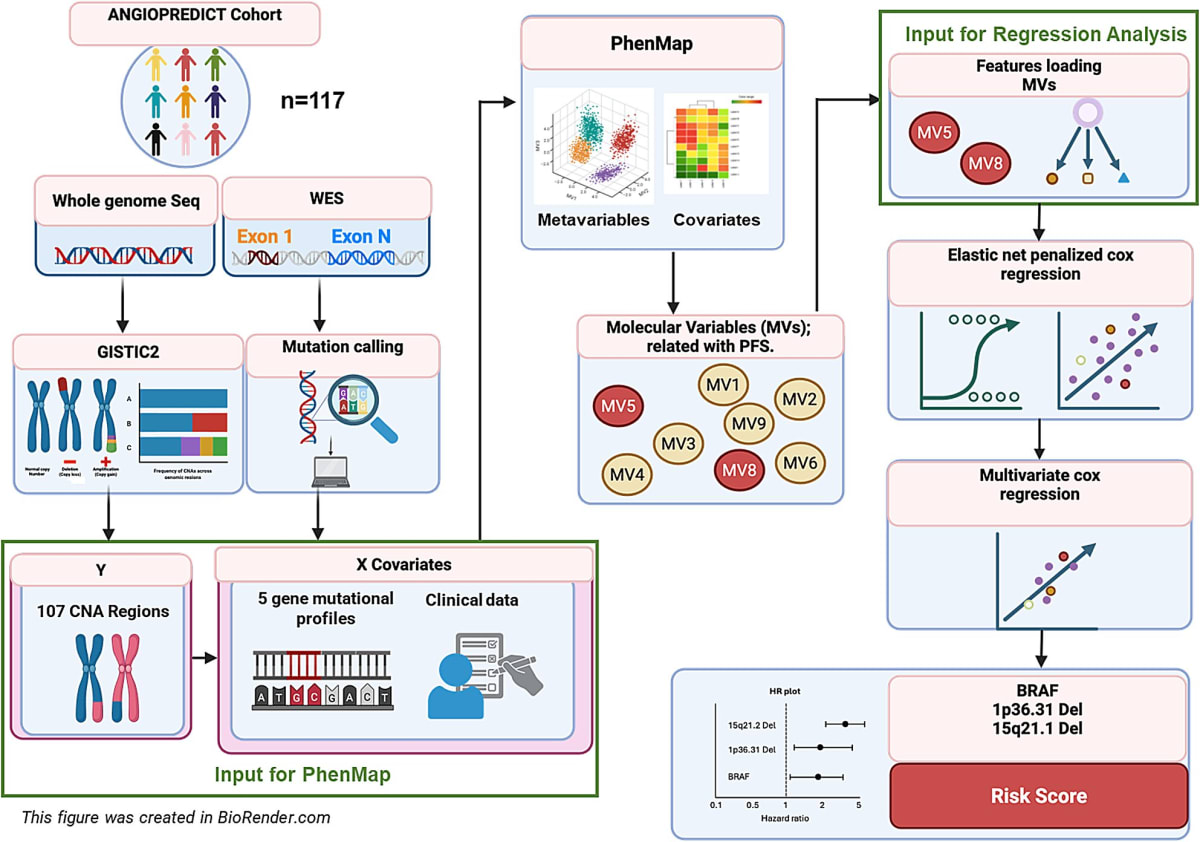
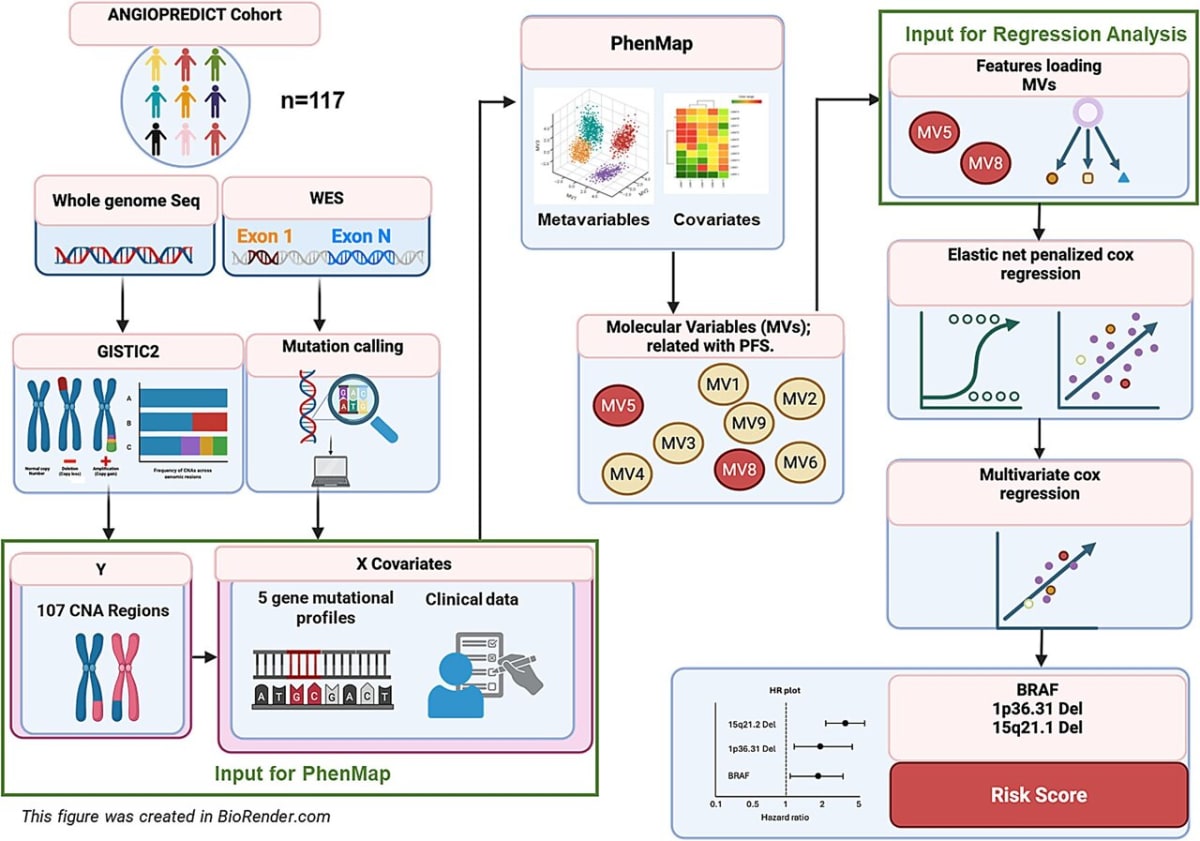
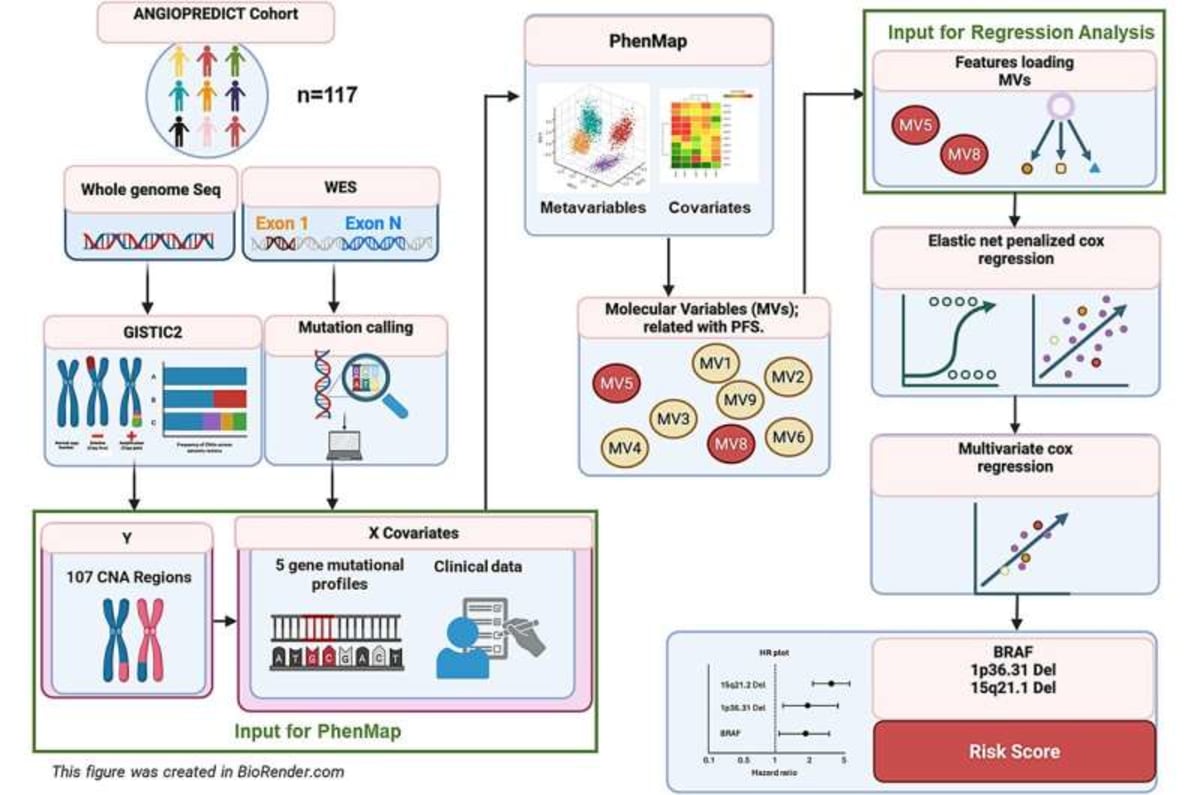
The team studied 117 European patients treated with bevacizumab and chemotherapy. They used an AI tool called PhenMap to analyze complex tumor genetics alongside clinical details like age, gender, and tumor location.
Traditional medicine groups cancers into a few broad subtypes. PhenMap detects far more complicated patterns, placing patients on a scale from one to 100 based on their likelihood of response.
The AI generated risk scores categorizing patients as high, moderate, or low risk. The results were striking: none of the patients in the high-risk group responded to treatment.
The system identified specific patterns in non-responders. Patients with BRAF gene mutations all landed in the high-risk category and had poor outcomes, revealing a clear biomarker doctors could use.
Why This Inspires
This breakthrough represents exactly what personalized medicine should be. Instead of giving everyone the same treatment and hoping it works, doctors could soon match patients with therapies tailored to their unique cancer profile.
The implications extend beyond bevacizumab. Researchers believe this approach could predict responses to other targeted therapies and work for different cancer types entirely.
Professor Anguraj Sadanandam explained that advanced bowel cancer leaves patients with few options, making NHS access to bevacizumab genuinely positive news. But knowing that most patients won't benefit makes precision crucial.
The AI uncovers clues hidden within tumors that human analysis would miss. By processing massive amounts of complex data, it spots patterns impossible to detect otherwise.
The next steps involve validating findings in larger patient groups and developing a clinical test for treatment decisions. Researchers are already exploring applications for other targeted therapies.
Professor Kristian Helin emphasized that drug approval is just the beginning. Understanding why certain patients won't benefit is essential for improving outcomes and developing smarter, kinder therapies.
For patients facing advanced bowel cancer, this research offers something invaluable: the promise of treatment that's both effective and personalized to their specific needs.
More Images

Based on reporting by Google News - New Treatment
This story was written by BrightWire based on verified news reports.
Spread the positivity!
Share this good news with someone who needs it