AI Prosthetics Give Pakistani Women Their Lives Back
Rural workers in Pakistan who lost limbs to farming accidents are regaining independence through AI-powered prosthetic arms. The technology, developed locally and tailored for their needs, is helping women return to embroidery work and reclaim their livelihoods.
Thousands of women across developing countries lose their hands and arms every year to fodder cutters, the fearsome blade machines used to prepare animal feed. For rural workers in Pakistan, India, and Kenya, these accidents mean more than physical loss. They mean the end of harvesting crops, creating embroidery, and earning a living.
Until recently, advanced prosthetics remained impossibly expensive for these women. Now, a Karachi-based company is changing that story with AI.
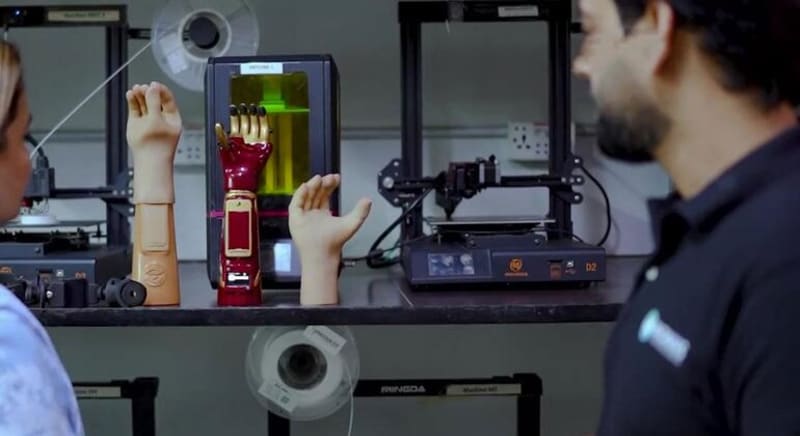
Bioniks Technologies partnered with UN Women to design prosthetic limbs specifically for female workers in Pakistan's Sindh province. Using 3D modeling, digital scanning, and artificial intelligence, they created lightweight bionic arms that feel intuitive to use and can handle delicate tasks.
"Watching these incredible women regain their mobility, dignity, independence and return to hand embroidery, their main source of income, has been profoundly inspiring," says Ayesha Zulfiqar, co-founder of Bioniks. The program also provides training, psychological support, and safety education to prevent future injuries.
The initiative represents a broader shift happening across the Global South. AI is no longer concentrated only in wealthy Western nations, and homegrown innovators are adapting it to solve local problems.
The Ripple Effect
This week's India AI Impact Summit in New Delhi marks the first major AI conference held in the Global South. The United Nations is using the platform to showcase how AI is being democratized, with agencies demonstrating projects across agriculture, health, and industry in developing nations.
"The concentration of economic and technological power is our biggest concern," said Amandeep Gill, the UN Secretary-General's Special Envoy for Digital and Emerging Technologies. He pointed to the risk of repeating history, when countries that missed earlier industrial revolutions fell decades behind in development.
But Gill sees reason for hope in places like Southeast Asia, Africa, and India, where governments are subsidizing AI access for researchers and smaller companies. The goal is to bridge the growing "AI divide" before it becomes insurmountable.
Several UN agencies, including the World Food Programme, UNICEF, and WHO, are presenting side events at the summit to demonstrate how they're deploying AI for social good. Their work focuses on reducing global inequalities by ensuring developing countries can build their own AI capacity rather than depending on expensive foreign technology.
For the women in Sindh province, the impact is already measurable. They're stitching embroidery again, supporting their families, and reclaiming their place in their communities. Technology designed with them in mind has restored what seemed permanently lost.
More Images

Based on reporting by UN News
This story was written by BrightWire based on verified news reports.
Spread the positivity!
Share this good news with someone who needs it