AI Reads 90% of Museum Bug Labels in Seconds
Scientists just solved a 300-year problem that was slowing down access to half a billion insect specimens worldwide. A new AI system can automatically read printed labels on museum bugs, turning months of tedious work into minutes.
Museums around the world house 500 million insect specimens collected over three centuries, each carrying tiny labels with crucial scientific data. Until now, researchers had to manually transcribe every single label, a process so slow it created a massive bottleneck in understanding Earth's biodiversity.
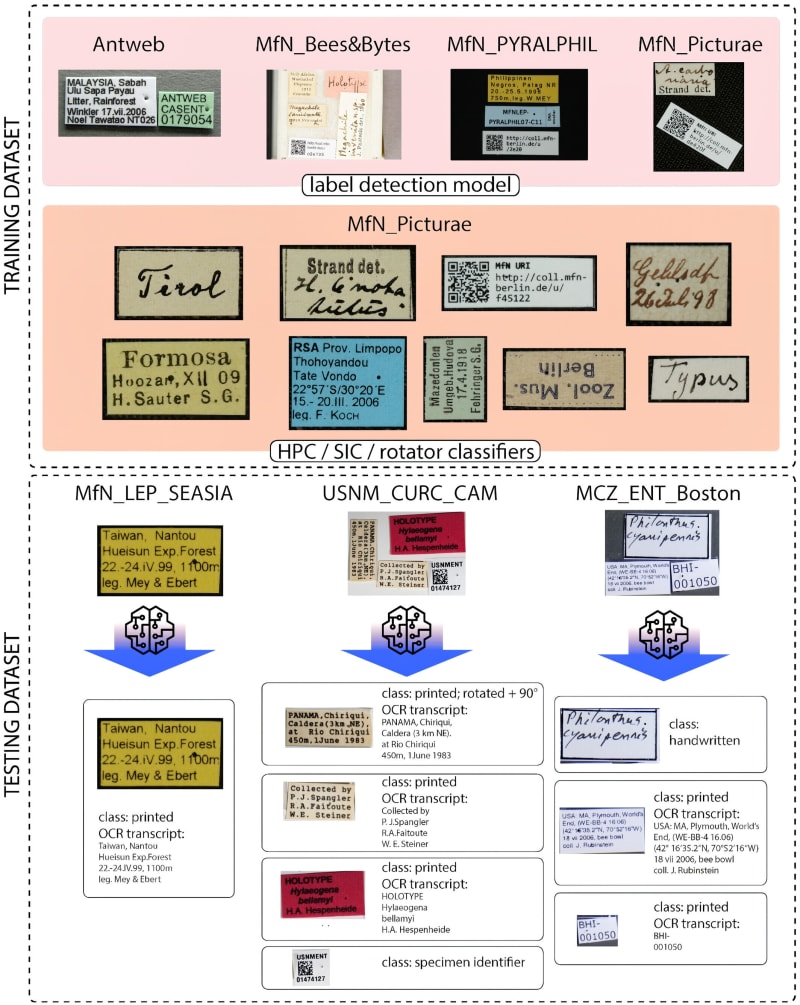
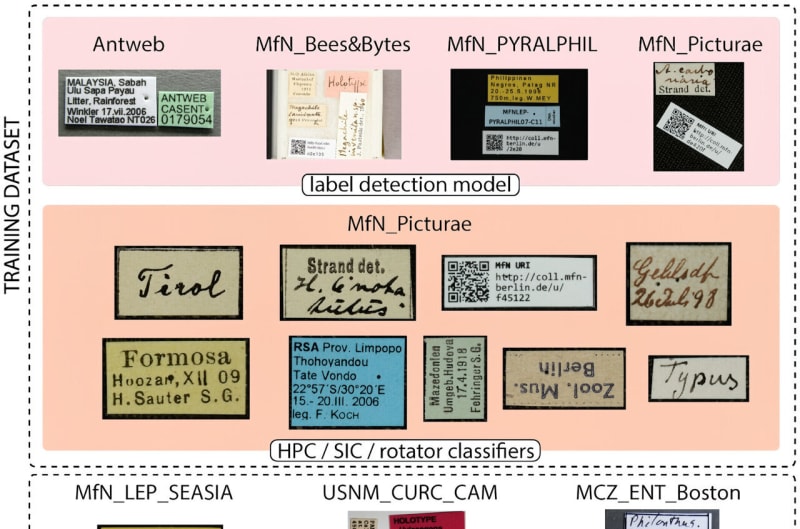
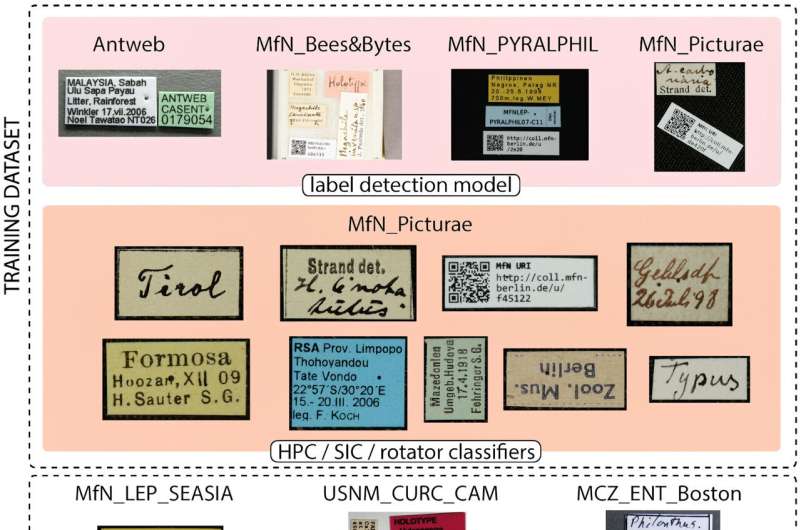
Researchers at the Museum für Naturkunde Berlin just changed that with ELIE, an AI pipeline that automatically reads and processes printed specimen labels. The system detects individual labels in photos, straightens them, figures out if they're printed or handwritten, and uses optical character recognition to extract the printed information.
The results are remarkable. When tested on 26,000 label images from the museum's collection of 650,000 digitized insects, ELIE automatically extracted information from up to 90% of printed labels. That's months of human work completed in a fraction of the time.
"With ELIE, we address one of the major bottlenecks in the digitization of entomological collections," says Margot Belot, Data Manager at the museum. The system even groups identical labels together, so recurring information only needs to be checked once instead of hundreds of times.
The technology works beyond Berlin too. Tests at the Smithsonian National Museum of Natural History in Washington and Harvard's Museum of Comparative Zoology proved ELIE can handle collections it's never seen before, making it a tool any museum can use.
The Ripple Effect
This breakthrough means scientists worldwide can access biodiversity data years faster than before. That label information, including where and when each insect was collected, forms the foundation for understanding evolution, tracking species decline, and studying climate change impacts over centuries.
With insects representing over 1 million described species, they're the most diverse group of living organisms on Earth. Making their collection data accessible quickly could accelerate discoveries in taxonomy, ecology, and conservation when time matters most.
The Berlin team sees ELIE as just the beginning of making natural history collections, those irreplaceable archives of life on Earth, truly available for the research our planet needs.
Museums have been carefully preserving these tiny time capsules for 300 years, and now AI is finally helping us unlock their secrets at the speed science demands.
More Images
Based on reporting by Phys.org
This story was written by BrightWire based on verified news reports.
Spread the positivity!
Share this good news with someone who needs it