AI Reads Faces to Predict Cancer Survival with 40% Accuracy
Scientists created FaceAge, an AI tool that predicts cancer outcomes by analyzing how quickly patients' faces age over time. The breakthrough could help doctors personalize treatment and improve survival rates.
A simple photograph might soon help doctors save more lives.
Researchers at Mass General Brigham developed FaceAge, an artificial intelligence tool that estimates biological age from facial photos. By tracking how quickly faces age over time, doctors can now predict which cancer patients will respond better to treatment.
The science is straightforward yet powerful. While we all age chronologically at the same rate, our bodies age at different speeds depending on health, stress, and lifestyle. Cancer and its treatments accelerate this biological aging, and it shows on our faces.
The team analyzed 2,276 cancer patients who received radiation therapy between 2012 and 2023. They compared routine clinical photos taken during different treatment courses. The results revealed something striking: cancer patients' faces aged 40% faster than their actual age would suggest.
Patients whose faces aged more rapidly had lower survival rates. The predictions became even more accurate when photos were taken more than two years apart, allowing the AI to track changes over time.
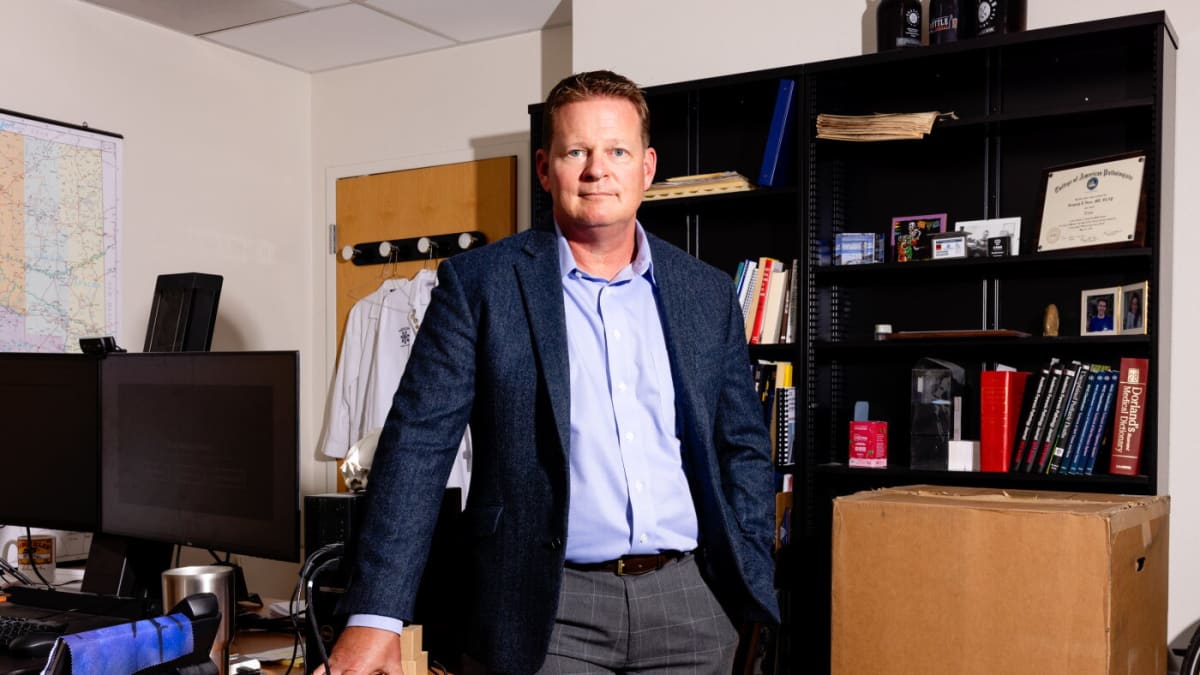
Dr. Raymond Mak, a radiation oncologist at Mass General Brigham, explained the practical benefits. "Deriving a Face Aging Rate from multiple, routine facial photographs allows for near real-time tracking of an individual's health," he said. This means doctors can adjust treatment plans as they go, rather than waiting for traditional test results.
The tool works without needles, scans, or invasive procedures. Patients simply take photos they're already having during regular appointments. The AI does the rest, providing doctors with another data point to guide care decisions.
Why This Inspires
This technology turns something we see every day into a window for healing. Every selfie, every ID photo, every casual snapshot could contain clues about our health that we're only beginning to understand.
The research team made their tool available to everyone through a public web portal. Anyone can upload a photo to learn their FaceAge and contribute to ongoing research. Thousands of people participating means faster improvements to the technology.
The scientists believe FaceAge could extend beyond cancer. Director Hugo Aerts hopes future studies will show how the tool can monitor other chronic diseases and even help healthy people track their wellness over time.
What started as a way to understand cancer progression might become a universal health monitor, as easy as snapping a picture.
More Images


Based on reporting by Euronews
This story was written by BrightWire based on verified news reports.
Spread the positivity!
Share this good news with someone who needs it