AI Reads Fighter Pilots' Brains to Perfect Training
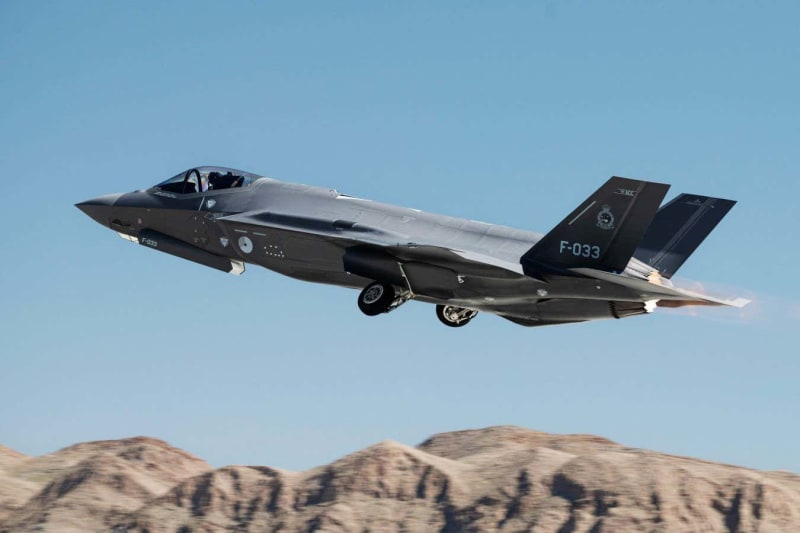
Dutch Air Force pilots are testing brain-reading AI that measures their mental workload in real time and adjusts virtual reality training on the fly. The technology aims to keep trainee pilots challenged but not overwhelmed during simulations.
Fighter pilots learning to fly are now getting personalized training sessions guided by their own brainwaves. The Royal Netherlands Air Force is testing AI technology that reads pilots' brain activity while they fly in virtual reality simulators and adjusts difficulty levels instantly.
Here's how it works: Sensors track trainee pilots' brainwaves as they navigate complex flying scenarios. The AI analyzes this data to determine when a pilot feels comfortable or overwhelmed, then tweaks the simulation difficulty to keep them in the ideal learning zone.
The goal is simple but powerful. Training needs to challenge pilots enough to build skills without pushing them into mental overload where learning breaks down.
Virtual reality simulators have revolutionized pilot training by offering safer, cheaper alternatives to actual flights. But instructors have struggled to adjust these digital scenarios in real time for each individual student.
Early experiments with the brain-reading system show promising results. Trainee pilots prefer the adaptive AI approach over rigid, pre-programmed training scenarios.
However, researchers haven't yet proven that the technology actually improves pilot performance. The pilots like it better, but whether it makes them better remains an open question requiring more study.
The Ripple Effect
This technology could transform how we train people in high-stakes professions beyond aviation. Surgeons, emergency responders, and air traffic controllers all face similar challenges: they need intensive training that pushes their limits without overwhelming them.
Brain-reading AI could personalize education across many fields. Instead of one-size-fits-all approaches, training programs could adapt instantly to each person's cognitive capacity and stress levels.
The Dutch Air Force's willingness to experiment with cutting-edge technology also signals a broader shift toward smarter, more efficient military training. As simulators get better and AI gets smarter, more training will happen in safe virtual environments rather than expensive, risky real-world scenarios.
The technology could eventually help instructors understand not just whether students are struggling, but exactly when and why. That insight could revolutionize teaching methods and help more people master complex, demanding skills.
For now, the brain-reading system represents an exciting step toward truly personalized learning that meets each person exactly where they are.
Based on reporting by New Scientist
This story was written by BrightWire based on verified news reports.
Spread the positivity!
Share this good news with someone who needs it