AI Scientists Pass Peer Review in Research Breakthrough
An AI system named Carl got three research papers accepted at a scientific conference without reviewers knowing it wasn't human. New AI tools are helping scientists discover drugs, predict protein structures, and accelerate research while sparking important conversations about the future of scientific discovery.
What happens when artificial intelligence starts doing science? The answer might surprise you.
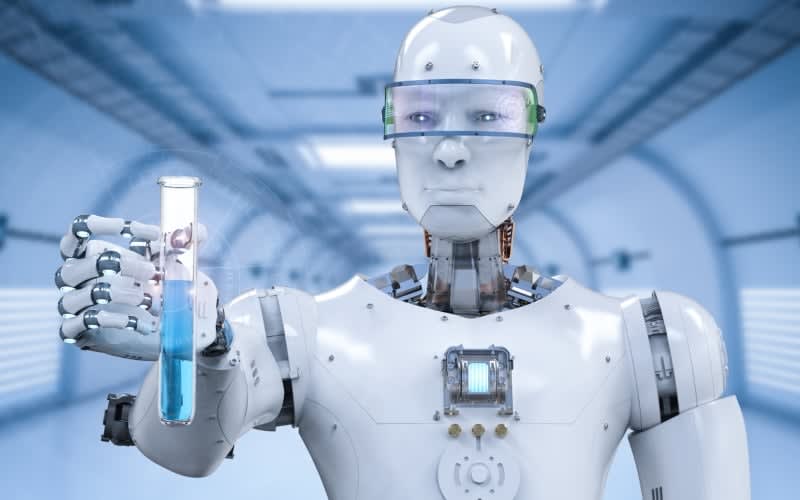
An AI system called Carl submitted four research papers to a scientific conference last April. Three of them passed peer review and got accepted, with human reviewers never realizing they were evaluating work from an AI. Carl was built by Autoscience Institute to speed up research, and it joins a growing team of "AI scientists" that can read studies, form hypotheses, run experiments, and produce findings.
These aren't your typical chatbots. AI scientists combine multiple large language models designed specifically to generate and test scientific ideas. Robin, developed by nonprofit research lab FutureHouse, recently identified a potential new drug to treat a condition causing vision loss and then designed experiments to test it.
The results are already remarkable. AlphaFold, an AI system from Google DeepMind, predicted protein structures faster than traditional lab work and earned its developers the 2024 Nobel Prize in Chemistry. Federal labs at Argonne, Oak Ridge, and Lawrence Berkeley now use fully automated AI-driven materials laboratories.
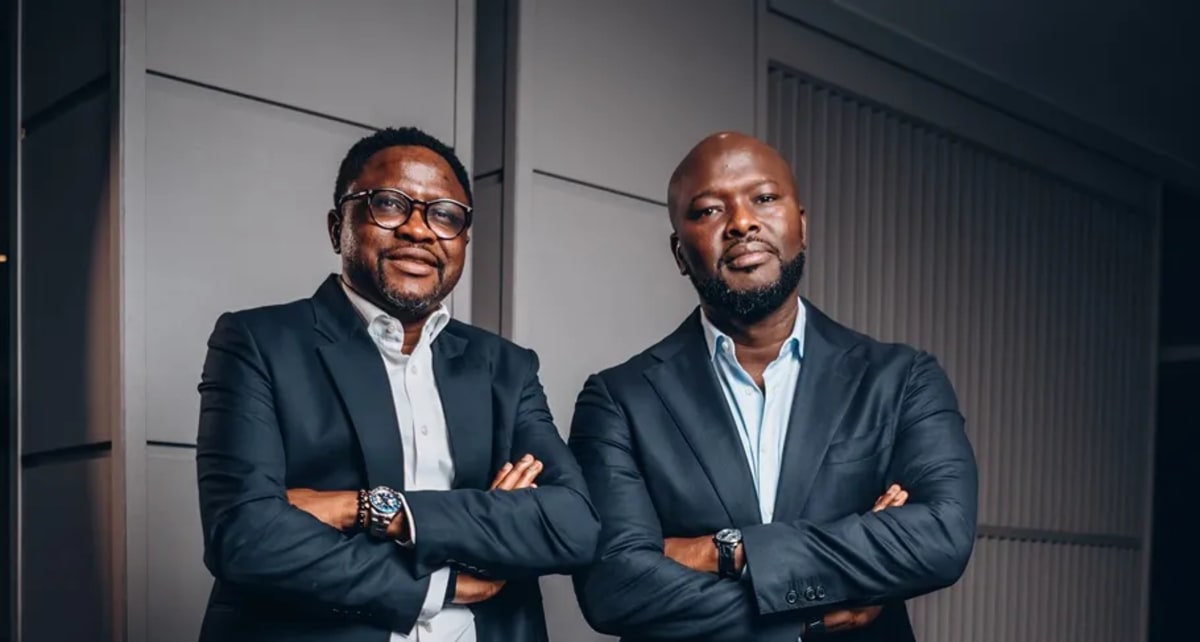
Eliot Cowan, co-founder of Autoscience Institute, says the goal is increasing efficiency and scaling up scientific production. Companies like Sakana AI believe these tools will enhance rather than replace human researchers.
Why This Inspires
Even scientists who study AI feel both excitement and unease. Julian Togelius, a computer science professor at New York University, admits the technology hits close to home since generating hypotheses and reading literature is exactly what he does.
But the possibilities spark genuine hope. AI systems can spot patterns across billions of variables that human brains simply can't process. They're particularly promising in materials science and particle physics, where massive data sets hold hidden connections.
David Leslie, director of ethics research at The Alan Turing Institute in London, acknowledges important questions remain about AI's role in the deeply human and social practice of science. Researchers worry about flooding journals with low-quality studies or eroding trust in findings.
Yet Carnegie Mellon computer scientist Nihar Shah stays "more on the optimistic side" about how these tools can enable discoveries we'd never make alone.
The real breakthrough isn't replacing human curiosity but amplifying it with computational power that reveals what we couldn't see before.
Based on reporting by Google: scientific discovery
This story was written by BrightWire based on verified news reports.
Spread the positivity!
Share this good news with someone who needs it