AI Sensors in Gurgaon Predict Flooding Before It Happens
India's Gurgaon is using smart sensors developed by IIT startup to predict monsoon flooding up to five minutes before overflow. The city installed 40 AI-powered devices in flood-prone areas to protect residents and traffic. #
Imagine getting a warning about street flooding before the water even reaches the drains. That's exactly what's happening in Gurgaon, India, where city officials just installed smart sensors that predict monsoon flooding in real time.
The Municipal Corporation of Gurugram partnered with AIResQ, a startup from the prestigious IIT Gandhinagar, to tackle a problem that plagues the city every rainy season. Waterlogged streets, overflowing sewers, and traffic nightmares could soon be a thing of the past.
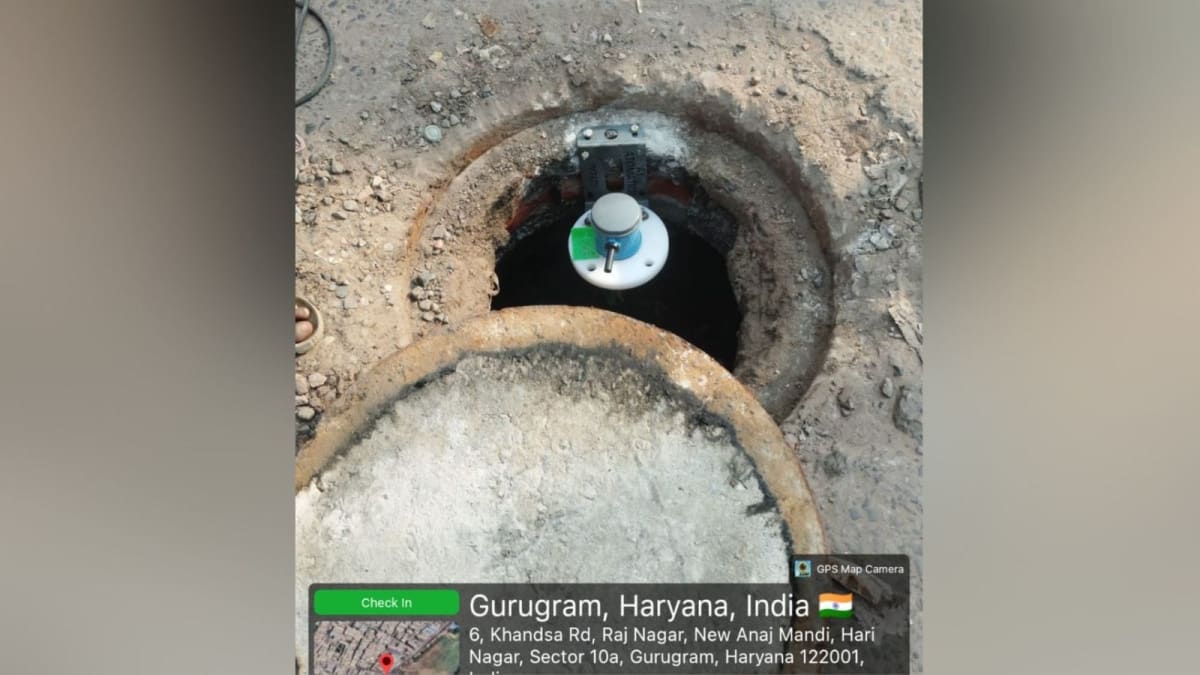
Here's how it works: 40 sensors placed in manholes and streets continuously monitor water levels and detect blockages. When trouble brews, the system alerts the control room within five minutes. That's game-changing speed compared to traditional monitoring systems that take two to three days to identify problems.
"Our goal is to provide citizens with better, seamless, and hassle-free sewerage services during the monsoon," said MCG Commissioner Pradeep Dahiya. The early warning system gives maintenance crews time to clear blockages before water spills onto roads.
The city installed 20 sewer sensors and 20 flood-depth sensors across 15 historically vulnerable neighborhoods. These aren't random locations. Officials focused on upscale residential areas like Sushant Lok and Golf Course Extension Road, where AI models predict flood depths could reach nearly 10 feet during heavy monsoons.
Critical transit points near Sikanderpur Metro Station also got sensors to prevent bottlenecks that trap thousands of commuters. The sensors mount on kerbs, poles, and walls to avoid disrupting traffic while capturing accurate readings.
The Ripple Effect
This isn't just about keeping shoes dry during rainy season. The data collected will transform how Gurgaon plans its infrastructure for years to come.
A smart dashboard will recommend specific solutions for each neighborhood, like where to build rainwater harvesting structures. The system will eventually guide drivers around predicted waterlogging before they hit traffic jams.
Fifty newly hired data operators feed information to engineers who can quickly identify where new drains are needed or repairs must happen. The project uses detailed GIS mapping of existing water and sewer connections combined with elevation data from multiple departments.
For residents who've endured yearly flooding that damages property and creates health hazards from stagnant water, this technology offers real relief. The civic body signed the agreement with IIT Gandhinagar last November after recognizing that reactive cleanup wasn't working.
The monsoon season will be the ultimate test, but the city is betting that catching problems before they cascade into crises will protect both people and infrastructure.
#
Based on reporting by Indian Express
This story was written by BrightWire based on verified news reports.
Spread the positivity!
Share this good news with someone who needs it