AI Smart Homes Cut Caregiver Burnout for Dementia Patients
New AI-powered smart home technology is helping millions of family caregivers who spend 27 hours weekly caring for loved ones with dementia. These watchful systems prevent accidents and give exhausted caregivers much-needed relief.
Imagine caring for someone you love 27 hours every week while working a full-time job, knowing they could hurt themselves the moment you look away. That's the reality for millions of American families dealing with dementia right now.
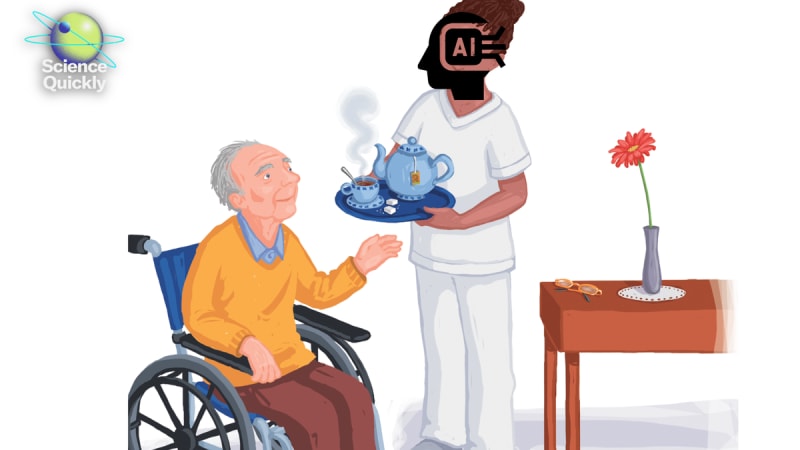
But researchers are bringing science fiction to life with AI-powered smart homes that act like a tireless second caregiver. These systems watch for dangers like forgotten stoves, potential falls, and health emergencies without ever needing a break.
The numbers tell a staggering story. Nearly seven million Americans live with dementia today, and that number will double to 14 million by 2060 without medical breakthroughs. One in four Americans is now a family caregiver, a 50 percent jump in just a decade.
George Demiris, who teaches at University of Pennsylvania's nursing and medical schools, leads research into these life-changing technologies. His team is developing systems that can spot problems before they become emergencies, giving families peace of mind they desperately need.
The unpaid care provided by family caregivers was worth $600 billion in 2021 alone. Seven out of 10 working caregivers are juggling their jobs alongside this demanding responsibility, often pushing themselves to exhaustion.
Regina Shih, an epidemiologist at Emory University, points out that dementia patients need around-the-clock care as their condition progresses. For many families, that means constant worry about leaving their loved one alone even for a few minutes.
The new smart home systems use AI to monitor daily activities and detect unusual patterns. If someone wanders at night or forgets to turn off the stove, the technology alerts caregivers immediately. Some systems can even identify early signs of health problems before they become serious.
The Ripple Effect
These innovations are transforming entire families, not just individual patients. Caregivers report feeling less anxious and getting better sleep knowing technology is watching over their loved ones. Children can maintain their careers while still providing excellent care for aging parents.
The technology is also creating new possibilities for people with dementia to maintain independence longer. Instead of moving to a care facility, many can stay safely in their own homes surrounded by familiar things and memories that comfort them.
Research teams are being thoughtful about potential risks, making sure these AI systems help rather than create new problems. They're asking hard questions about privacy, reliability, and what happens when technology fails.
Early trials show these smart homes genuinely improve quality of life for patients while dramatically reducing caregiver stress. For families watching dementia slowly take away someone they love, that combination of safety and freedom feels like a miracle.
Technology is finally catching up to give millions of exhausted, devoted caregivers the support they've always deserved.
More Images



Based on reporting by Scientific American
This story was written by BrightWire based on verified news reports.
Spread the positivity!
Share this good news with someone who needs it