AI Solves 1,900-Year-Old Roman Board Game Mystery
A mysterious white stone sat in a Dutch museum for nearly a century before AI cracked the code. Now we finally know how ancient Romans played this forgotten game.
For almost 100 years, a smooth white stone puzzled researchers at a Dutch museum, hiding its secrets in plain sight.
The 8-inch limestone piece was discovered around 1900 in Heerlen, Netherlands, once the Roman settlement of Coriovallum. Archaeologists knew it was ancient but had no clue what it was for. So it sat in storage at the Thermenmuseum, waiting for someone to solve the mystery.
That someone turned out to be archaeologist Walter Crist. Six years ago, while wandering the museum, he spotted the stone and recognized something others had missed. As a specialist in ancient board games, he saw the etched lines forming a diamond shape within a rectangle and knew this was a game board.
But recognizing it was only half the battle. Nobody knew how to actually play it.
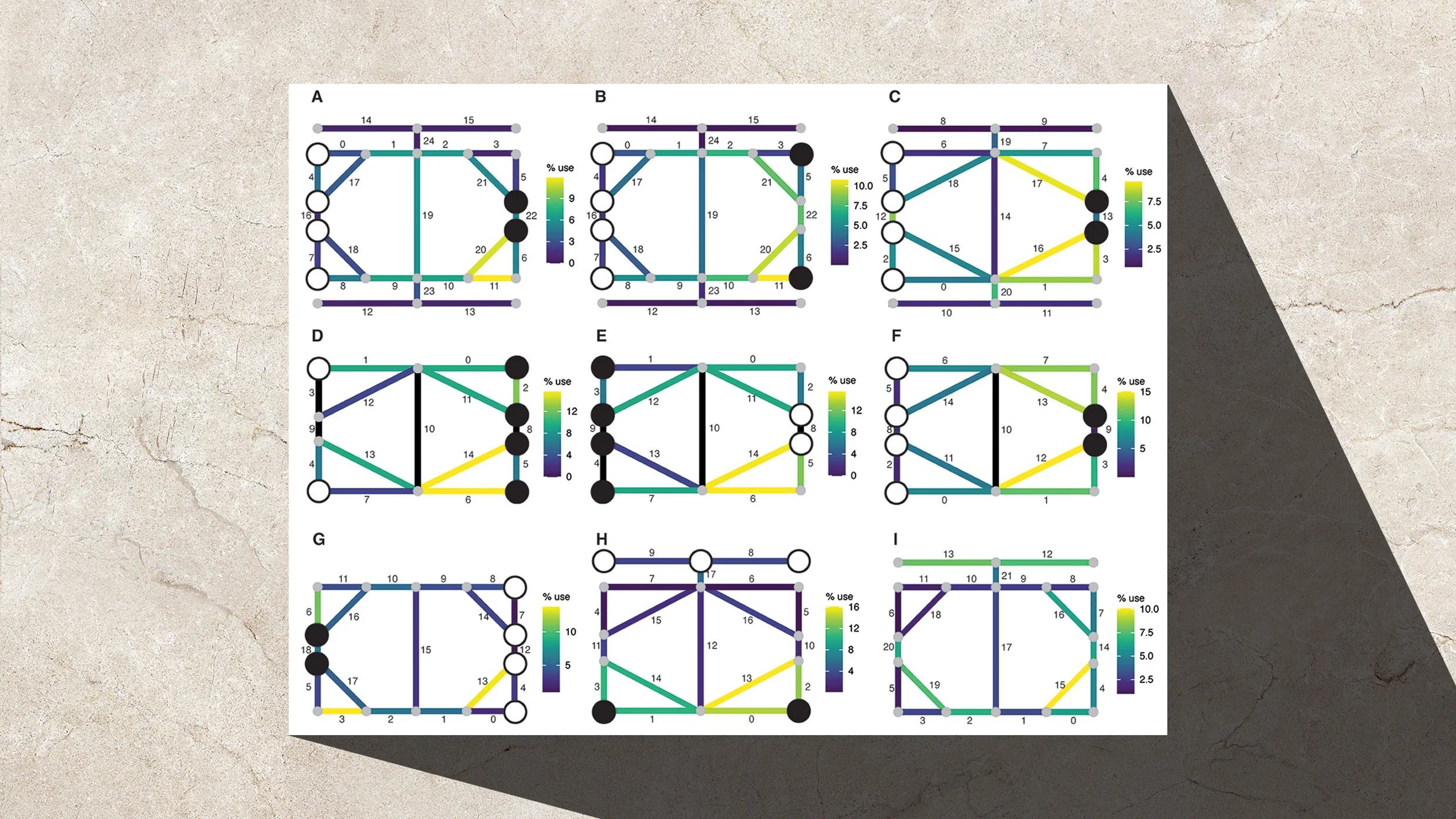
Crist turned to artificial intelligence for help. His team programmed two AI agents using a system called Ludii and had them play the game against each other thousands of times. The AI tested over 100 different rule sets drawn from both modern and ancient European games.
Here's where it gets clever. The researchers compared the AI's moves with actual wear patterns on the ancient stone. They tracked which gameplay styles created grooves that most closely matched the real thing.
The AI revealed something remarkable. The board was used for a blocking game, where players try to prevent their opponents from moving. Think of modern games like Go or Blokus.
This discovery rewrites history. Blocking games were thought to be rare in ancient Europe and only dated back to the Middle Ages. This stone proves Romans were playing them several centuries earlier than anyone realized.
Why This Inspires
This breakthrough shows how modern technology can unlock ancient mysteries and connect us to people who lived nearly two millennia ago. The AI identified nine possible rule sets that fit the wear patterns, giving researchers enough information to actually play the game today.
Crist and his team named it Ludus Coriovalli, meaning "the game from Coriovallum." By combining AI simulation with careful analysis of the stone's wear patterns, they didn't just identify what the object was. They brought an ancient pastime back to life.
The same approach could help researchers decode other mysterious artifacts gathering dust in museums worldwide. Every solved puzzle brings us closer to understanding how our ancestors spent their time, found joy, and connected with each other.
A stone that sat forgotten for a century now tells a story about Roman life, human play, and the power of curiosity paired with cutting-edge technology.
Based on reporting by Fast Company - Innovation
This story was written by BrightWire based on verified news reports.
Building Something New? Try the BrightWire Tech Stack Advisor
Compare modern frameworks, cloud hosting, and AI tools tailored to your project budget and scale.
Spread the positivity!
Share this good news with someone who needs it