AI Solves 80-Year-Old Math Problem No Human Could Crack
An AI system just disproved a famous geometry puzzle that stumped mathematicians since 1946, marking the first time artificial intelligence has independently solved a major unsolved problem in mathematics. This breakthrough shows AI can now handle complex reasoning that could transform fields from medicine to engineering.
After nearly 80 years of human mathematicians trying and failing, an AI system has cracked one of geometry's most persistent mysteries.
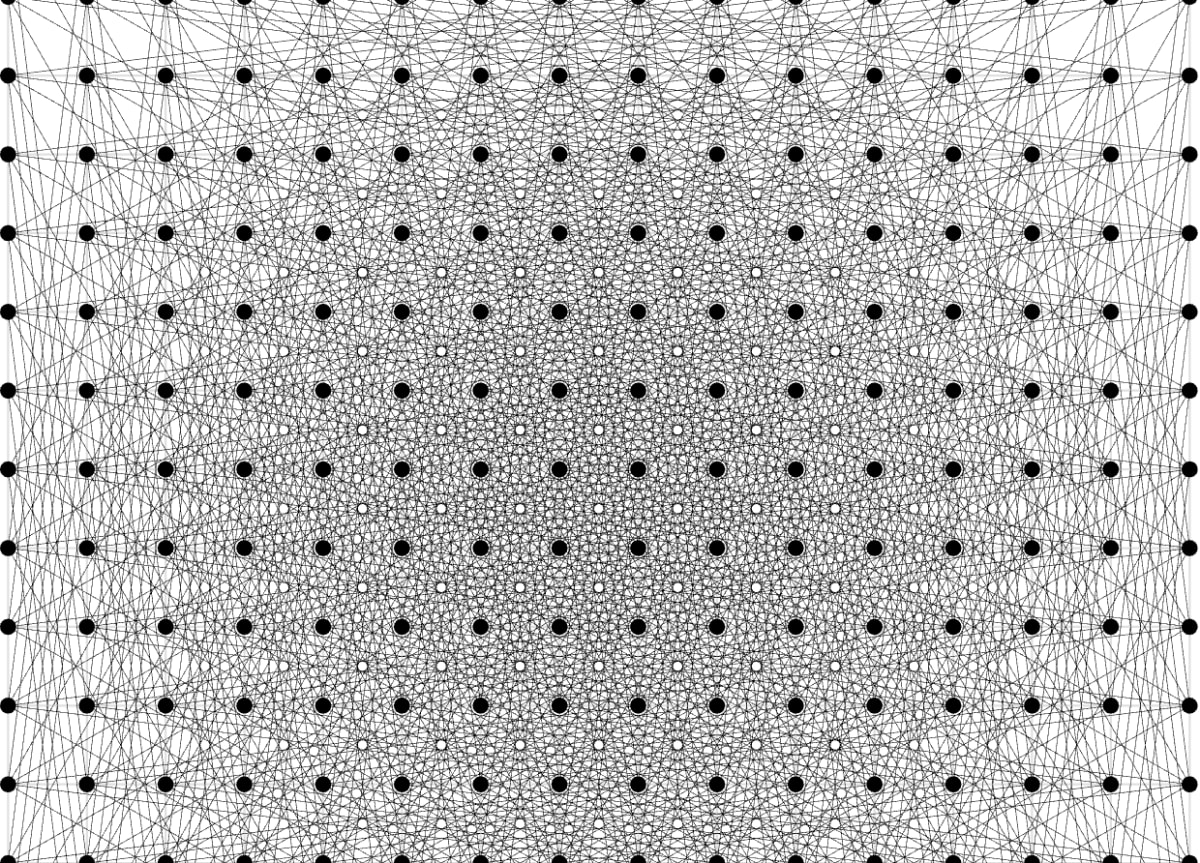
OpenAI announced that its new reasoning model has disproved a conjecture first posed by legendary mathematician Paul Erdős in 1946. The AI discovered an entirely new family of mathematical constructions that work better than anything humans had imagined, overturning decades of assumptions about how the best solutions should look.
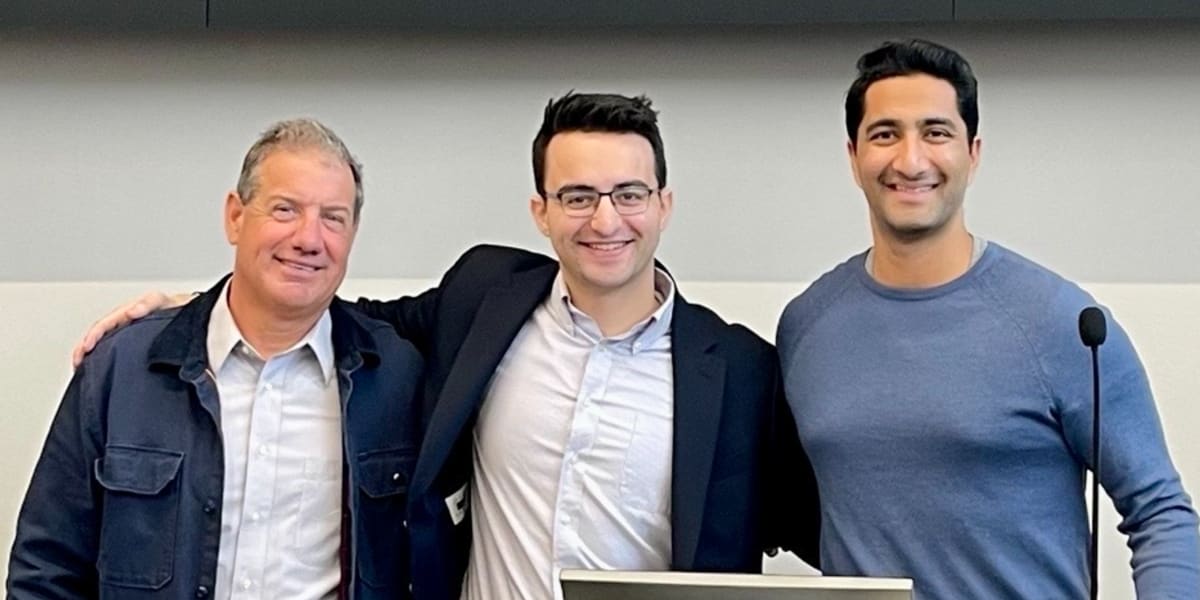
This marks a genuine first. Independent mathematicians have verified the proof, including Thomas Bloom, who maintains the official Erdős Problems website. That verification matters because OpenAI made a similar claim seven months ago that turned out to be false, drawing criticism from AI leaders at Google and Meta when the supposed "solutions" were found to already exist in published research.
This time, the proof checks out. Mathematician Melanie Wood and renowned expert Noga Alon have both confirmed the discovery represents original mathematical work. For nearly eight decades, researchers believed the optimal solutions resembled square grid patterns, but the AI proved them wrong.
What makes this breakthrough particularly exciting is that OpenAI didn't use a specialized math-solving system. The proof came from a general-purpose reasoning model, meaning the same AI capabilities could apply across countless other fields where complex problem-solving matters.
The Ripple Effect
The implications stretch far beyond pure mathematics. When AI systems can hold together long chains of reasoning and connect ideas across different fields, they become powerful tools for tackling stubborn problems in biology, physics, engineering, and medicine.
Scientists are already imagining what other century-old puzzles might finally yield answers. Drug discovery could accelerate as AI spots patterns human researchers miss. Engineering challenges that seemed impossible might suddenly have solutions hiding in mathematical spaces we never thought to explore.
"AI is helping us to more fully explore the cathedral of mathematics we have built over the centuries," Bloom said. His question resonates with researchers everywhere: What other breakthroughs are waiting just beyond our current understanding?
The proof itself focuses on combinatorial geometry, a field studying how shapes and patterns fit together. While the specific problem might sound abstract, the reasoning methods the AI developed could help solve practical challenges in computer science, coding theory, and network design.
This achievement shows we're entering an era where AI doesn't just assist human thinking but generates genuinely novel insights that expand human knowledge. The system didn't look up answers or remix existing solutions but created something mathematicians will now study and build upon for years to come.
After decades of waiting, mathematics has one less unsolved problem and one powerful new tool for discovery.
More Images

Based on reporting by TechCrunch
This story was written by BrightWire based on verified news reports.
Spread the positivity!
Share this good news with someone who needs it