AI Stethoscope Catches Heart Disease Doctors Miss 92% of Time
A new AI-powered stethoscope detected dangerous heart valve problems in older adults with 92% accuracy, nearly doubling what traditional doctor exams could catch. The breakthrough could save thousands of lives by spotting heart disease before symptoms become severe.
Doctors just got a powerful new partner in the fight against heart disease, and it looks just like the stethoscope your grandparents knew.
Researchers across the United States tested an AI-enhanced stethoscope on 357 patients over age 50 who had risk factors like diabetes, high blood pressure, or previous heart problems. The results were stunning.
The smart stethoscope caught moderate to severe valve problems with 92.3% accuracy. Traditional stethoscope exams by doctors only achieved 46.2% accuracy when both were compared against detailed heart imaging tests.
Valvular heart disease happens when one or more heart valves don't work properly, forcing the heart to work harder. Over time, this can lead to chest pain, exhaustion, and shortness of breath. In severe cases, it can cause heart failure or death.
The condition is especially common in older adults, but it often hides until symptoms become serious. That's what makes early detection so crucial.
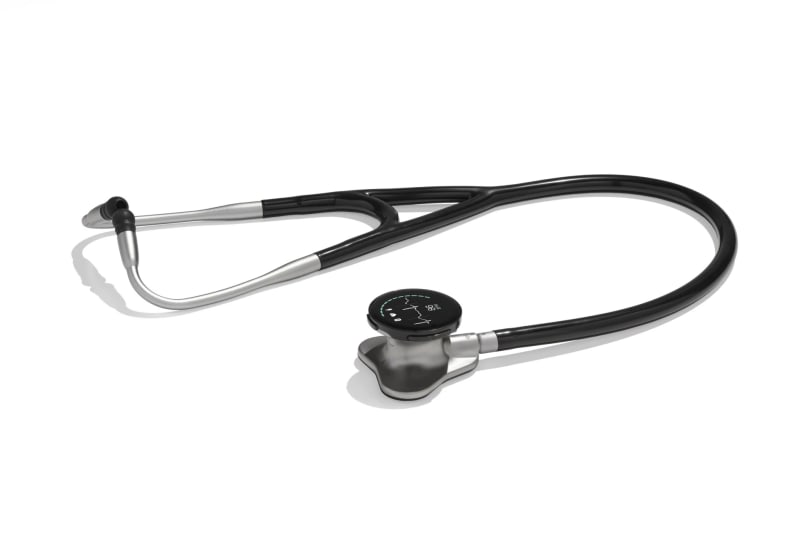
Here's how it works: doctors examine patients with a digital stethoscope that records heart sounds. An AI system then analyzes those recordings to spot patterns humans might miss. The whole process takes just minutes during a regular checkup.
The device, developed by Eko Health, tested specifically for valve disease that produces audible sounds. Many cases make no sound at all and still require more detailed testing, but catching the audible cases represents a major win.
Why This Inspires
Beyond the impressive diagnostic numbers, something unexpected happened during the study. Patients became more engaged in their own care.
"Patients assessed with the AI-enabled digital stethoscope seemed more engaged during their appointment," said senior study author Rosalie McDonough from Eko Health. "They could see and hear what the clinician was responding to, which may increase trust and engagement with follow-up treatment."
Imagine hearing your own heartbeat alongside your doctor, understanding what they're listening for, and feeling like a true partner in your health journey. That human connection matters just as much as the technology.
The AI stethoscope did produce slightly more false positives than traditional exams. The research team believes this trade-off is worth it given how many real cases it catches that would otherwise be missed.
Researchers say more testing is needed across broader populations and different clinical settings. But for now, this humble medical tool just got a lot smarter, and hearts everywhere stand to benefit.
More Images



Based on reporting by New Atlas
This story was written by BrightWire based on verified news reports.
Spread the positivity!
Share this good news with someone who needs it