AI Tool Cuts Animal Behavior Analysis from Months to Hours
Scientists at the University of St Andrews have created an AI tool that instantly translates animal movements into readable descriptions, slashing research time from months to hours. The breakthrough could speed up the discovery of treatments for neurological diseases.
Imagine waiting months to analyze a few hours of video footage. That's been the reality for scientists studying animal behavior to understand how brains work and develop treatments for diseases like ALS and Parkinson's.
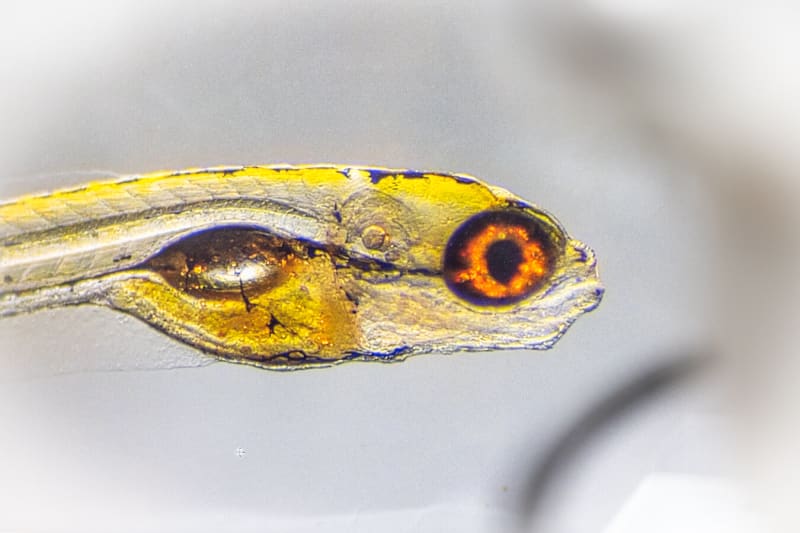
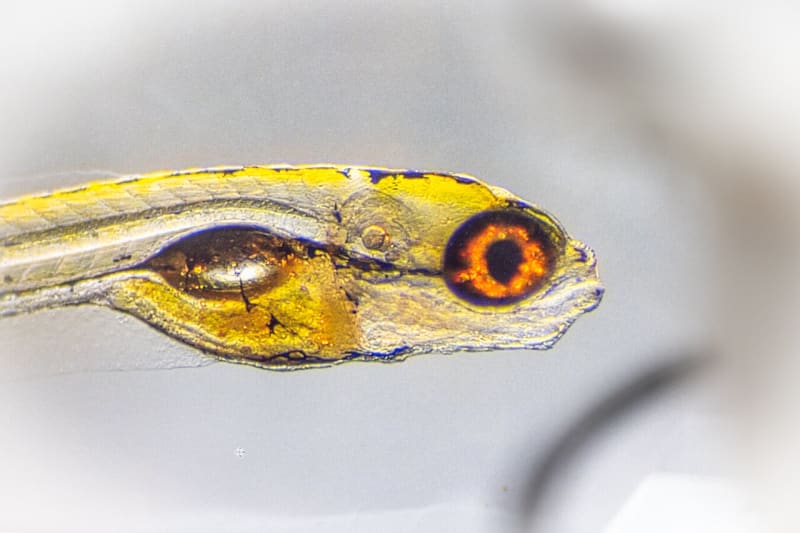
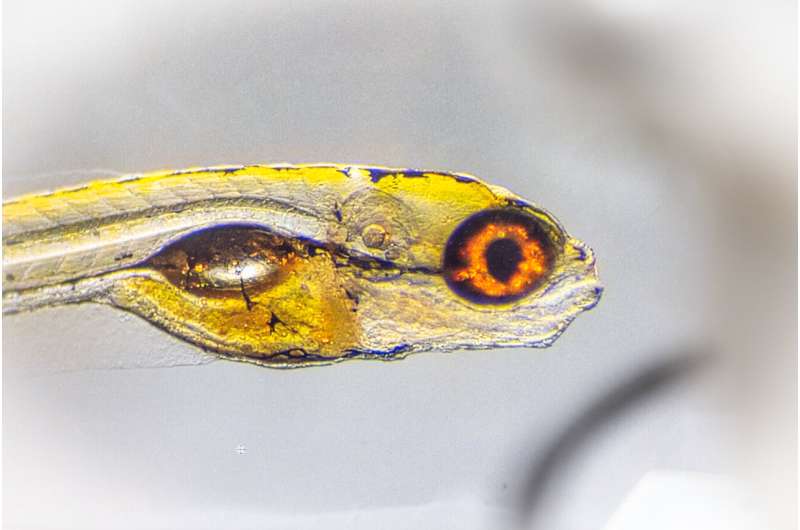
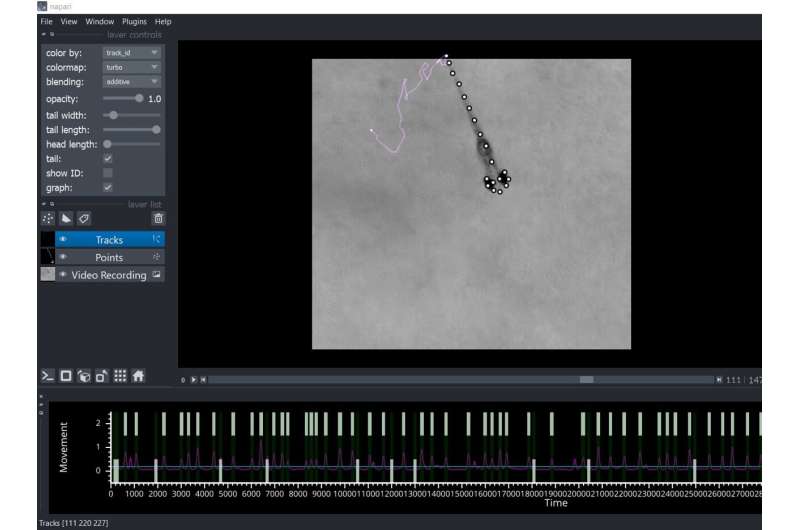
Researchers at the University of St Andrews just changed that. Their new AI tool called PoseR reads animal movements from video and automatically describes what's happening, turning weeks or months of tedious manual work into a process that takes just hours.
The tool uses Graph Neural Networks, a type of AI that recognizes patterns in shapes. Scientists feed it video footage, and it identifies what animals are doing, categorizing their behaviors without human input. It works across different species because the AI adapts to each animal's unique body structure.
Dr. Maarten Zwart, who led the development team, studies how brains and spinal cords work together to produce movement. What started as a lockdown project with his colleague Dr. Pierce Mullen and two undergraduate students has become a game changer for their field.
The time savings are just the beginning. Manual analysis varies from researcher to researcher, making studies harder to replicate. PoseR delivers consistent results every time, making research more reliable and easier to reproduce.
The Ripple Effect
The breakthrough solves a major bottleneck that's been slowing down neuroscience, psychology, and biology for years. Faster analysis means scientists can run larger studies with more animals and test more variables in less time.
For medical research, the impact could be profound. Scientists use animal behavior to screen for disease symptoms and test potential treatments. What once took months of analysis can now happen in real time, potentially accelerating the path from lab discovery to patient treatment.
The tool is freely available as a plugin, meaning research labs worldwide can start using it immediately without expensive licensing fees. Small labs with limited budgets now have access to the same powerful analysis tools as major research institutions.
The team has already published their work in the peer-reviewed journal Open Biology. Other researchers are beginning to adopt PoseR for studies ranging from how mice navigate mazes to how flies respond to different stimuli.
Every hour saved in video analysis is an hour scientists can spend making discoveries that might lead to treatments for Alzheimer's, spinal cord injuries, or autism. This tool doesn't just make research faster; it opens doors that were previously closed by time and resource constraints.
More Images

Based on reporting by Phys.org
This story was written by BrightWire based on verified news reports.
Spread the positivity!
Share this good news with someone who needs it