AI Tool Detects Dementia Types with Near-Perfect Accuracy
University of Florida researchers created an AI tool that identifies Alzheimer's and Lewy body dementia with near-perfect accuracy, offering hope for millions facing misdiagnosis. The breakthrough could transform early detection and save patients from harmful treatments.
Millions of people living with dementia could soon get the right diagnosis the first time, thanks to a powerful new AI tool from University of Florida researchers.
The team developed AIDD (Automated Imaging Differentiation for Dementia), which combines brain scans with artificial intelligence to distinguish between Alzheimer's disease and dementia with Lewy bodies. In testing, the tool identified both conditions with near-perfect accuracy.
This matters because up to 50% of patients with Lewy body dementia get misdiagnosed as having Alzheimer's. That's not just a paperwork problem. The two diseases require completely different treatments, and getting the wrong one can actually make symptoms worse.
"Since the therapies for Alzheimer's disease and dementia with Lewy bodies differ, developing precision biomarkers will offer better outcomes for patients," said David Vaillancourt, distinguished professor at UF's College of Health and Human Performance.
The diseases show up differently too. Lewy body dementia often starts with attention problems, alertness changes, and movement issues. Alzheimer's typically begins with memory loss.
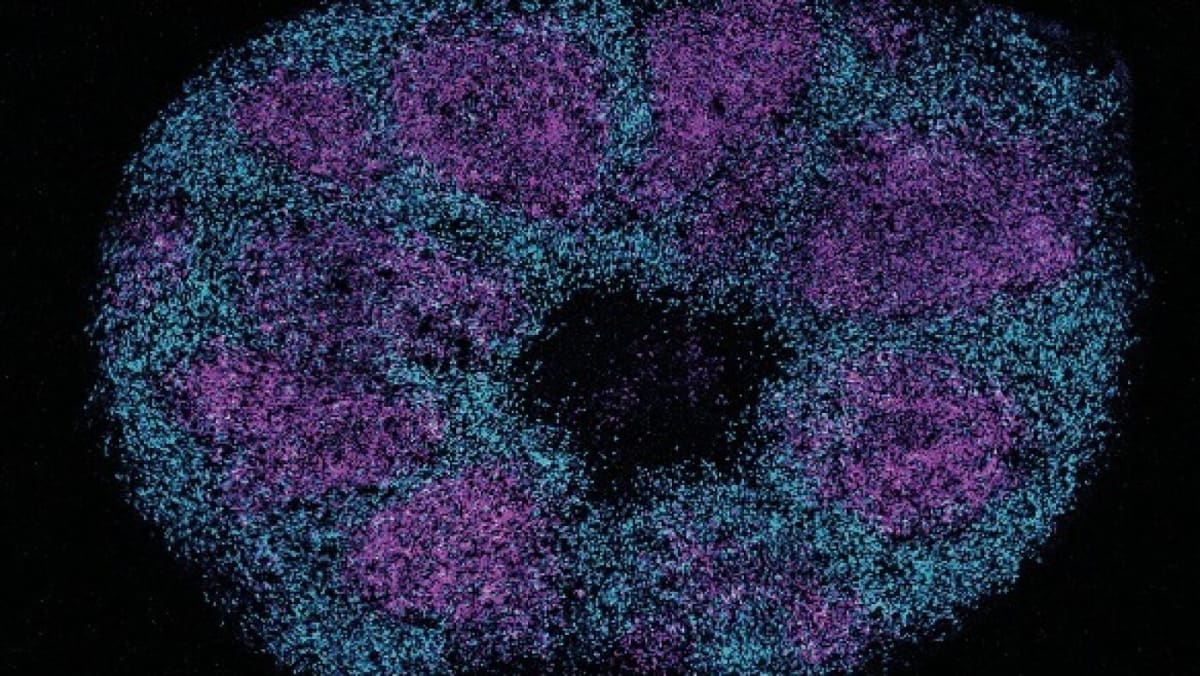
Researchers trained their AI system using 387 brain scans from patients with Alzheimer's, Lewy body dementia, and healthy individuals. They used a specialized MRI technique that detects extra fluid in the brain, which signals cell damage and inflammation.
The tool analyzes subtle water movement patterns that human eyes might miss. Eighty percent of the scans taught the AI what to look for, while the remaining twenty percent tested its accuracy.
The Bright Side
The real proof came when researchers tested AIDD on 13 patients whose diagnoses were confirmed after death through autopsy. The tool correctly identified all 13 cases.
With dementia cases expected to more than double by 2060, this breakthrough arrives at a critical time. Today's diagnosis methods rely on mixing evaluations, cognitive tests, and brain scans rather than one definitive answer. That leaves too much room for error when patients need certainty most.
Professor Angelos Barmpoutis from UF's Digital Worlds Institute emphasized the tool's reliability. "To ensure the highest standards, we performed extensive validation experiments using data collected from multiple scanners and imaging centers," he said.
The study, published in the journal Neurology during Alzheimer's and Brain Awareness Month, represents years of work analyzing scans collected from January 2007 to March 2022 across multiple research centers.
Early and accurate diagnosis means patients can start appropriate treatments sooner, plan for their future, and avoid medications that could harm rather than help. For families watching loved ones struggle with cognitive decline, getting the right answer the first time changes everything.
AIDD shows how AI can spot patterns in medical data that even trained specialists might miss, turning complex brain imaging into clearer answers when people need them most.
More Images



Based on reporting by Google News - AI Breakthrough
This story was written by BrightWire based on verified news reports.
Spread the positivity!
Share this good news with someone who needs it