AI Tool Predicts Best Ovarian Cancer Treatment at Diagnosis
Researchers created an AI tool that predicts which ovarian cancer treatments will work best for each patient right at diagnosis, using slides doctors already have. The breakthrough could help patients avoid ineffective chemotherapy and find better options faster.
Ovarian cancer patients may soon know which treatments will work for them on day one, thanks to a breakthrough AI tool that analyzes slides doctors already use for diagnosis.
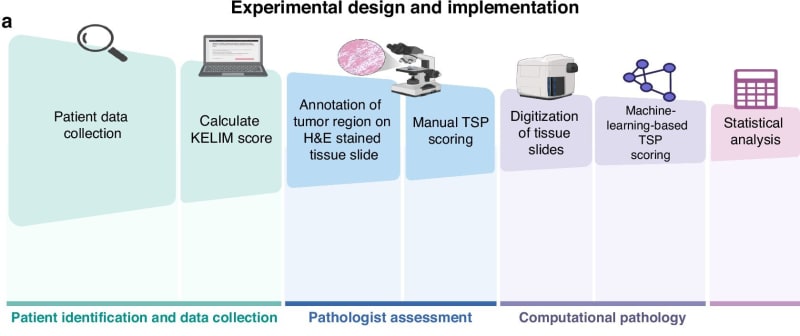
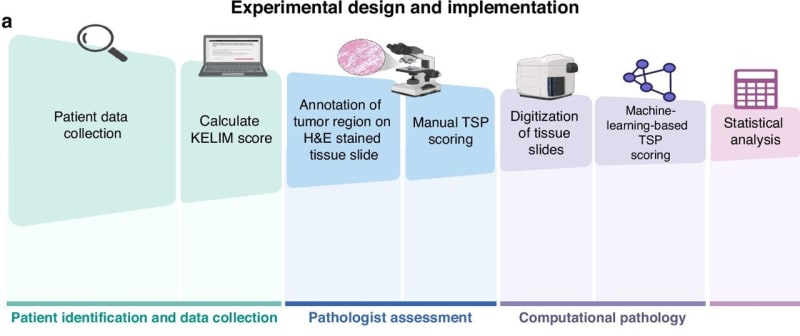
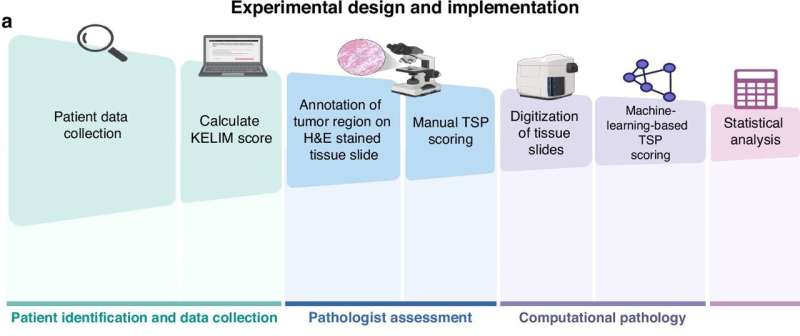
Researchers from the University of Minnesota Medical School, working with Emory University and Georgia Institute of Technology, developed artificial intelligence that predicts how patients will respond to different chemotherapy treatments. The findings were published in BJC Reports.
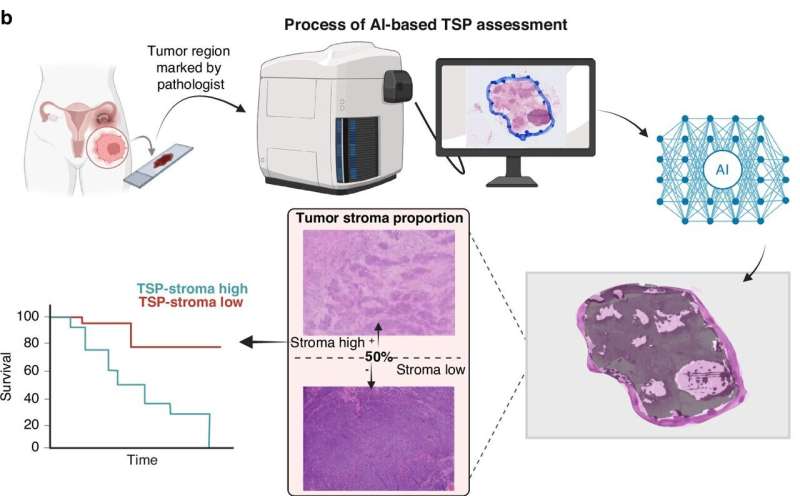
The tool examines tumor and surrounding tissue patterns in standard pathology slides without requiring any additional tests or procedures. This means no extra costs or waiting time for patients facing a frightening diagnosis.
Dr. Martina Bazzaro, an associate professor at the University of Minnesota Medical School, explains that the AI can identify which treatments are most likely to benefit each patient from the moment of diagnosis. This early insight could spare patients from months of ineffective chemotherapy and its harsh side effects.
The technology works by measuring tumor-stroma proportion, which compares cancer cells to surrounding tissue. The AI achieved results matching expert pathologists, but delivers answers much faster.
The Ripple Effect
The breakthrough addresses a painful reality for cancer patients: uncertainty. Many endure grueling chemotherapy treatments only to discover weeks or months later that they aren't working.
With this AI tool, patients could skip treatments unlikely to help and explore clinical trials or alternative therapies sooner. That means less time feeling sick from ineffective drugs and more time pursuing options that might actually work.
The financial impact extends beyond individual families. By avoiding futile treatments, the healthcare system could redirect resources toward therapies more likely to succeed, making cancer care more efficient and accessible.
Dr. Emil Lou, a gastrointestinal oncologist with the Masonic Cancer Center, notes that AI in oncology is evolving rapidly. This tool represents how cutting-edge technology can move from research labs into actual patient care faster than ever before.
The research team plans to launch clinical trials within six months to test the tool in real-world settings. They're working to integrate the technology directly into health systems so results automatically reach care teams.
The ultimate goal is transforming ovarian cancer treatment from a trial-and-error approach into personalized medicine from the very first day.
More Images
Based on reporting by Google News - New Treatment
This story was written by BrightWire based on verified news reports.
Spread the positivity!
Share this good news with someone who needs it