AI Tool Speeds Up Hearing Loss Research 50 Times Faster
Scientists just created an AI tool that analyzes the tiny hair cells in our ears 50 times faster than before, opening doors for new gene therapies that could restore hearing. Some children born deaf are already hearing thanks to gene therapy, and this breakthrough could help many more.
📺 Watch the full story above
Imagine being able to help more deaf children hear by speeding up the science behind hearing restoration treatments.
That's exactly what researchers at the University of California San Diego just accomplished. They created an artificial intelligence tool called VASCilia that analyzes the microscopic hair cells in our ears 50 times faster than scientists could do manually.
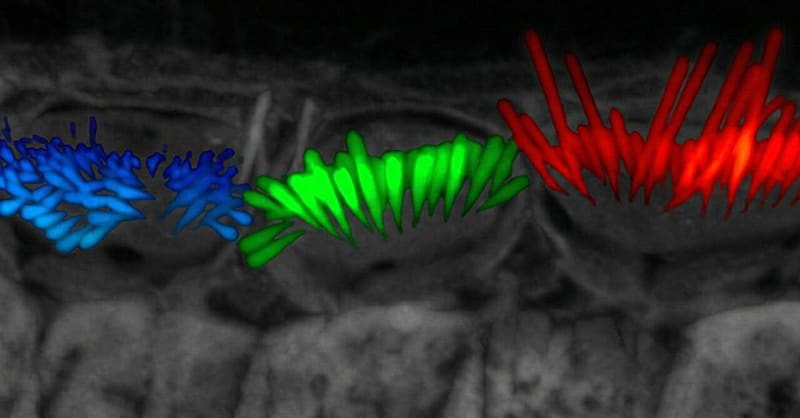
Inside our ears, tiny hair-like structures called stereocilia detect sound and movement within the cochlea, the spiral-shaped part of our inner ear responsible for hearing. These microscopic bundles need to be measured with incredible precision to understand how hearing works and how to fix it when something goes wrong.
Until now, analyzing detailed 3D images of these cells was painfully slow. Scientists had to manually interpret images one by one, a process that could take years for comprehensive studies.
Postdoctoral scholar Yasmin Kassim and Assistant Professor Uri Manor developed VASCilia using deep learning models trained on cochlear data from mice. The tool automates what used to be tedious manual work, providing previously unseen 3D views of hair cells in minutes instead of months.
The research matters because stereocilia can become disorganized from environmental stresses like loud music, construction noise, or jet engines. Understanding exactly how these patterns fall apart during aging or damage is crucial for developing treatments.
Like harp strings, stereocilia are organized by length. Longer hairs interpret lower sound frequencies while shorter ones decode higher pitches. When this precise arrangement gets disrupted, hearing loss occurs.
Why This Inspires
Gene therapy is already changing lives. Children who were born deaf can now hear because of these treatments, and Manor's team expects hearing loss therapies to grow significantly.
VASCilia provides the precise measurements scientists need to test new gene therapy experiments. The tool can measure all the cells in a sample consistently and accurately, quantifying subtle patterns of cellular disorganization that humans might miss.
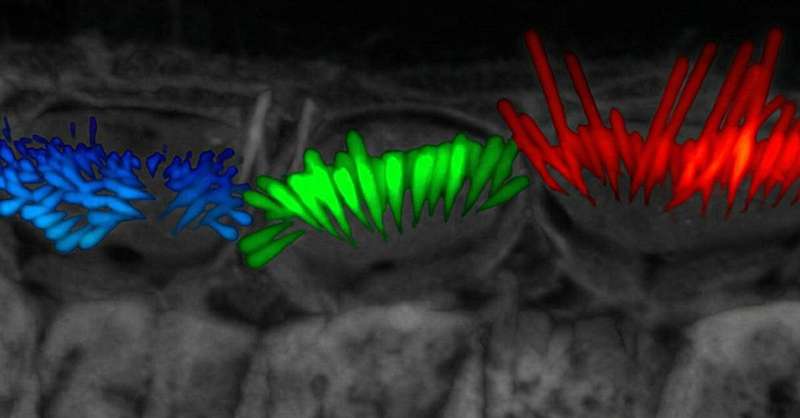
The tool can also analyze how stereocilia bundles respond to gene therapy treatments. In their research images, scientists can now clearly see which hair cells were rescued to full length by treatment, which received partial restoration, and which remained unchanged.
The researchers made VASCilia open source, meaning scientists worldwide can use it freely. They hope this will eventually create a comprehensive atlas of cochlear hair cell images across different species and conditions.
The advancement could accelerate the entire hearing research field, helping scientists understand everything from age-related hearing loss to noise damage with unprecedented speed and accuracy.
What once required years of painstaking analysis now happens in minutes, bringing hope for better treatments closer to reality.
More Images
Based on reporting by Phys.org
This story was written by BrightWire based on verified news reports.
Spread the positivity!
Share this good news with someone who needs it