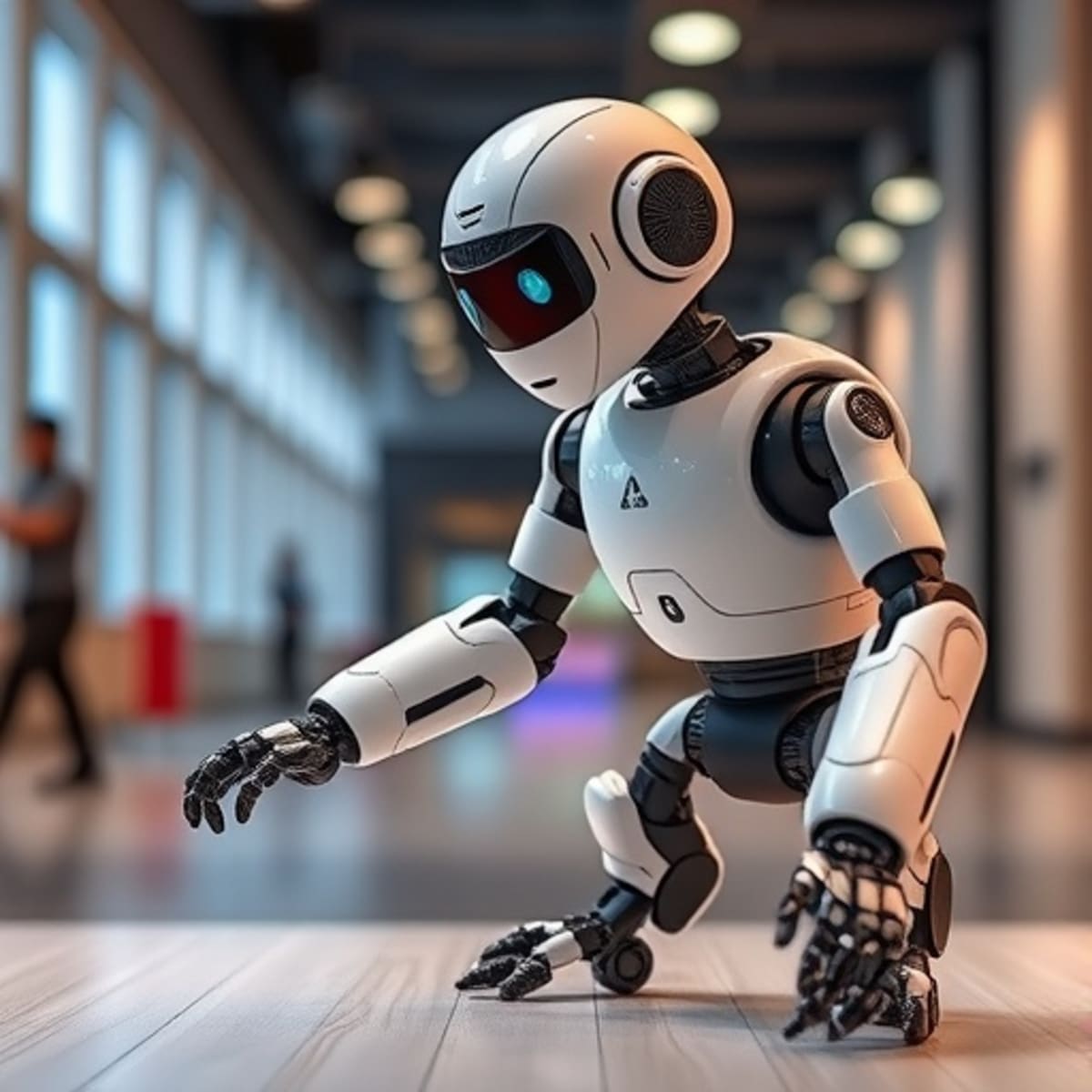
AI Training Lets Robots Learn in Simulation, Work in Reality
Researchers at Aston University cracked a major robotics problem: teaching robots in virtual environments that actually work in the messy real world. The breakthrough could make robots safer and cheaper to deploy in recycling, manufacturing, and hazardous jobs.
Robots are about to get a lot better at handling the unexpected, thanks to a clever training method that bridges the gap between computer simulations and real life.
Researchers at Aston University developed an AI system that trains robots in virtual environments while preparing them for real-world chaos. The technique solves a problem that has plagued robotics for years: robots that perform perfectly in simulations often fail when they encounter actual materials, unpredictable forces, and sensor noise.
Dr. Alireza Rastegarpanah, who led the research with colleagues from the University of Birmingham's Extreme Robotics Lab, created an AI framework that introduces random variations during virtual training. These variations mimic the messy conditions robots face in factories, recycling plants, and dangerous environments.
The system uses reinforcement learning combined with neural stylization, which sounds complex but works like teaching someone to ride a bike on different terrains before they ever leave the gym. Robots learn tasks from start to finish in simulation, then adapt those skills to real applications without extensive retraining.
Traditional robot training requires expensive, time-consuming real-world practice that can be dangerous for complex tasks like cutting materials or handling hazardous objects. This new method combines high-quality simulation with small amounts of strategic real-world data, drastically reducing the time and cost of deployment.
The Ripple Effect
The breakthrough arrives just as industries desperately need safer automation solutions. Recycling facilities struggling with dangerous lithium battery disassembly could automate risky tasks while protecting workers. Manufacturing plants could deploy adaptable robots that handle different materials without lengthy reprogramming.
Nuclear decommissioning, hazardous waste management, and other high-risk industries stand to benefit from robots that can work reliably in unpredictable conditions. The technology supports circular economy initiatives by making recycling automation more efficient and environmentally friendly.
The research, published in Scientific Reports and funded by UK Research and Innovation, demonstrates that robots can now execute precise tasks even when facing unexpected variables. This plug-and-play approach means companies can train robots in simulation and deploy them rapidly with minimal adjustments.
The implications extend beyond technical improvement. Faster, safer robot deployment helps industries meet economic and environmental pressures while maintaining high safety standards. Companies can adapt more quickly to new challenges without risking human workers or spending months on training.
The future Dr. Rastegarpanah envisions puts robots and humans working as trusted partners across diverse sectors, with machines handling the dangerous and repetitive work while learning and adapting on the job.
More Images


Based on reporting by Google: robotics innovation
This story was written by BrightWire based on verified news reports.
Spread the positivity!
Share this good news with someone who needs it