Air Ambulance Teams Save 5 Extra Lives Per 100 Patients
Helicopter emergency medical teams are dramatically improving survival odds for critically injured patients, with data showing five additional survivors per 100 cases. Advanced care delivered by air is giving people a fighting chance even when injuries seem unsurvivable.
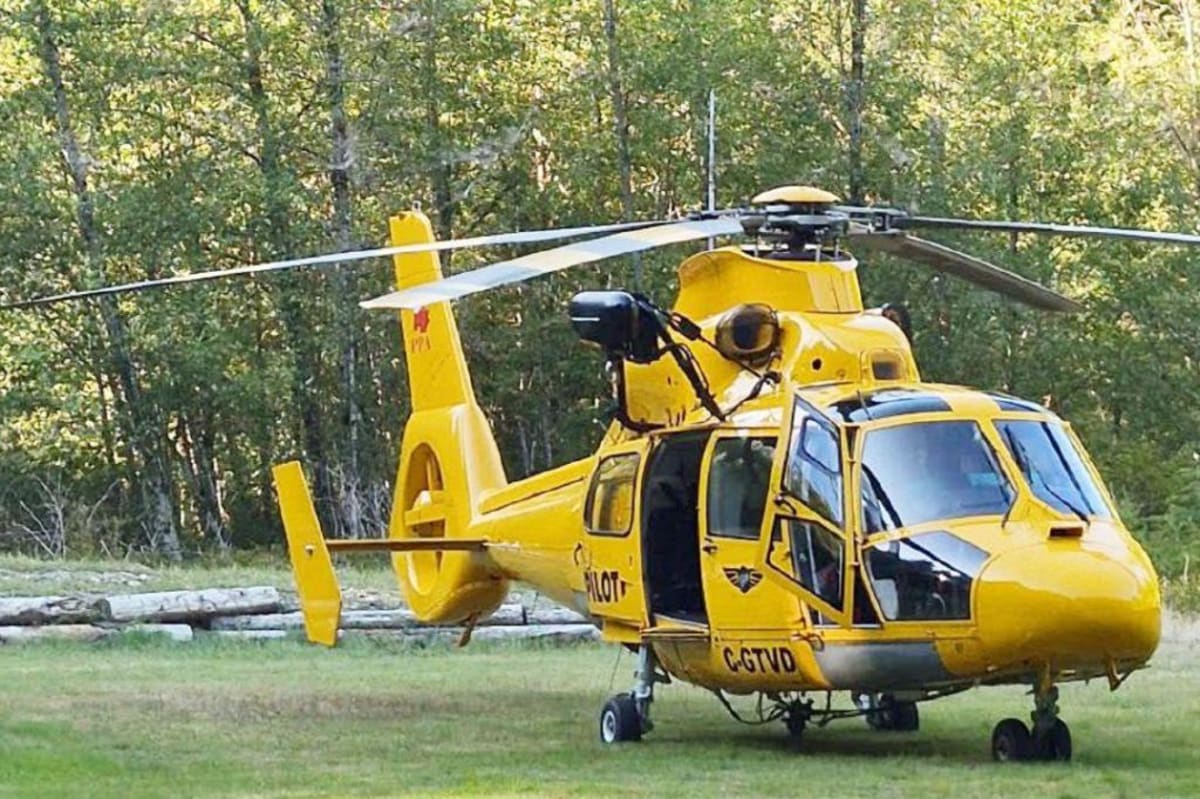
When someone suffers a life-threatening injury, the sound of helicopter blades might be the most hopeful thing their loved ones hear that day.
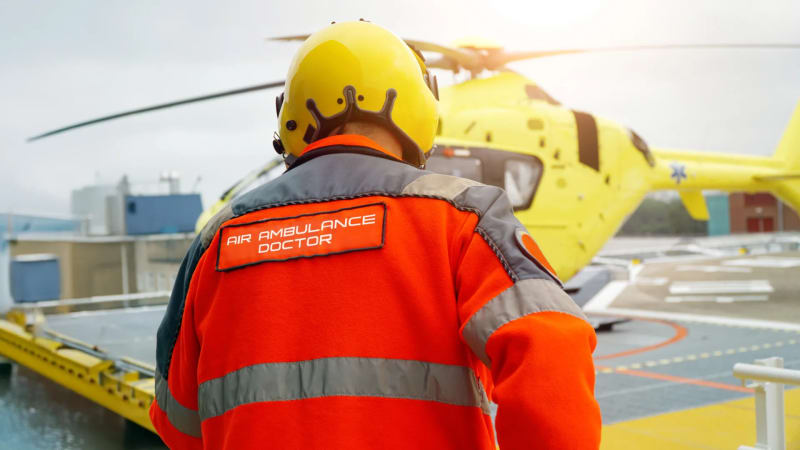
New research from South East England shows that advanced medical teams arriving by air ambulance are changing who walks away from critical injuries. Over nine years of treating major trauma patients, these helicopter teams helped five more people survive for every 100 patients they treated compared to what doctors expected.
The numbers tell a powerful story. Researchers tracked 3,225 trauma patients treated by a single helicopter emergency service between 2013 and 2022. They found that 85% of patients survived at least 30 days after their injury, beating the expected survival rate of 81%.
That difference might sound small, but it translates to roughly 115 additional lives saved each year based on the service's typical patient load. For families receiving the worst phone call of their lives, those odds mean everything.
The people who benefited most were those facing the steepest odds. Among patients with severe injuries and only a 25 to 45% chance of survival, 35% survived anyway. Even patients with less than a 50% chance of living saw 39% survival rates.
Younger patients and those more alert when help arrived had the strongest outcomes. One critical factor was pre-hospital emergency anesthesia, a procedure that puts patients into an induced coma and can only be performed by these advanced medical teams.
The Bright Side
Perhaps the most encouraging finding involves traumatic cardiac arrest, when the heart stops beating after severe injury. Between 2013 and 2022, the chance of getting a patient's heart restarted before reaching the hospital improved by 6% each year. That steady progress shows these teams are learning, adapting, and getting better at saving lives year after year.
Among patients whose hearts stopped, 27% had circulation restored during transport. Of those who made it to the hospital alive, one in four was still living 30 days later.
The researchers are careful to note their findings show correlation, not direct proof that helicopters alone caused the better outcomes. They're calling for more studies comparing different types of emergency care. Still, the evidence strongly supports continued investment in these flying emergency rooms, especially for the most severely injured patients.
For someone lying at an accident scene with minutes to live, that helicopter overhead represents something profound: medical expertise that once only existed in operating rooms, now arriving where it's needed most.
Based on reporting by Health Daily
This story was written by BrightWire based on verified news reports.
Spread the positivity!
Share this good news with someone who needs it