Air Pollution Deaths Drop 45% in Two Decades
Clean air laws have saved tens of thousands of American lives, with cardiovascular deaths from fine particulate pollution falling nearly 45% since 2001. Scientists now know exactly which pollutants are deadliest and where to target next.
Americans are breathing safer air and living longer because of it, with cardiovascular deaths linked to fine particulate pollution dropping by nearly half over the past two decades.
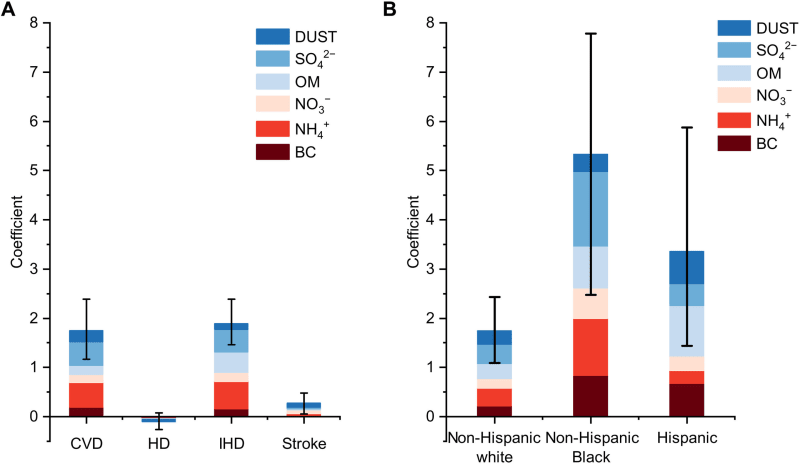
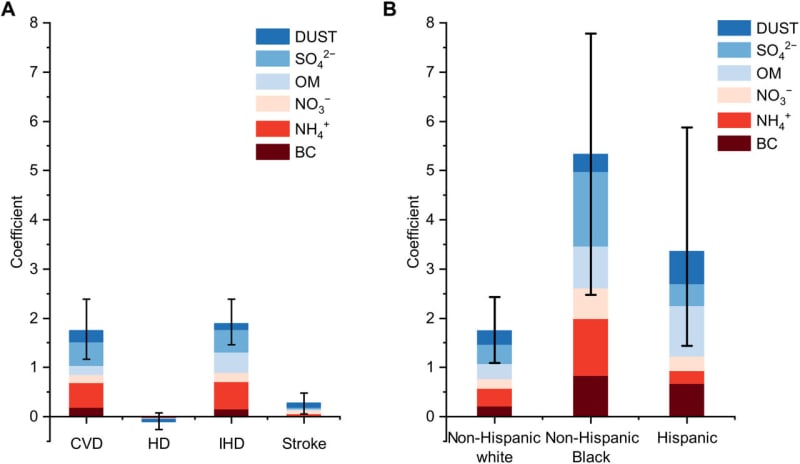
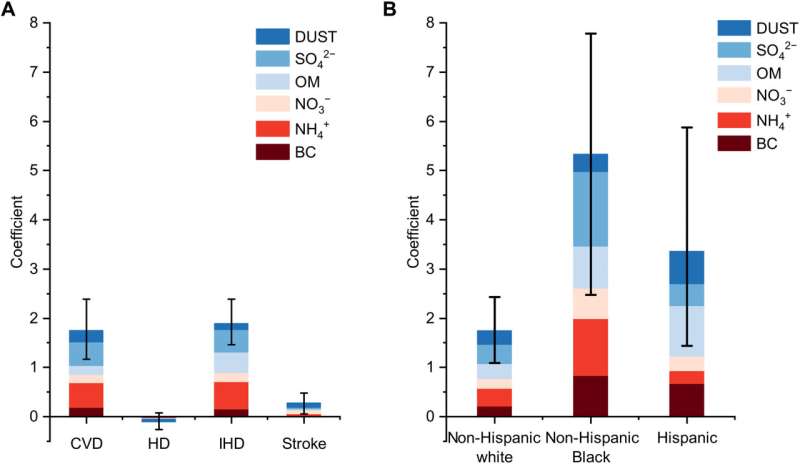
Yale School of Public Health researchers tracked air quality and heart disease deaths across more than 3,100 U.S. counties from 2001 to 2020. They found that stricter air pollution regulations prevented roughly 18,500 cardiovascular deaths per year by 2020 compared to 2001 levels.
The biggest wins came from reducing sulfate and ammonium particles, the pollutants that billow from coal-fired power plants and agricultural operations. These two components alone accounted for nearly three-quarters of the lives saved during the study period.
But the research uncovered something crucial that could guide future lifesaving policies. Not all air pollution is equally dangerous, and some communities still face much higher risks than others.
By 2020, black carbon from traffic and diesel engines had become the deadliest component of air pollution nationwide. This soot-like substance now causes more cardiovascular deaths than any other pollutant, even in areas where overall air quality meets federal standards.
The findings reveal troubling disparities across racial and ethnic groups. Black and Hispanic Americans experienced slower declines in pollution-related deaths compared to white Americans, and faster population growth in these communities widened the gap even further.
Black Americans face disproportionate exposure to black carbon and sulfate, while Hispanic communities encounter higher levels of black carbon, dust, and organic particles from wildfires and industrial activities. These differences stem from decades of residential patterns that place communities of color closer to highways, factories, and other pollution sources.
Why This Inspires
This research gives public health officials a precise roadmap for saving more lives. Instead of simply lowering overall pollution levels, cities and states can now target the specific chemical components killing the most people in their regions.
The 45% reduction in deaths proves that clean air policies work when enforced. Power plant regulations alone have prevented thousands of premature deaths each year, showing that environmental protection and public health go hand in hand.
Lead researcher Dr. Kai Chen believes this component-specific approach could accelerate progress that has stalled in recent years. Targeting black carbon from diesel trucks, sulfate from remaining coal plants, and ammonium from agricultural operations could close the racial and regional gaps while protecting even more American lives.
The past two decades demonstrate that when science guides policy, communities thrive and families keep their loved ones longer.
More Images


Based on reporting by Medical Xpress
This story was written by BrightWire based on verified news reports.
Spread the positivity!
Share this good news with someone who needs it
%2Ffile%2Fdailymaverick%2Fwp-content%2Fuploads%2F2022%2F01%2FTembile-seismicActivism1.jpg)