Airports Get Self-Driving Pods for Mobility Access
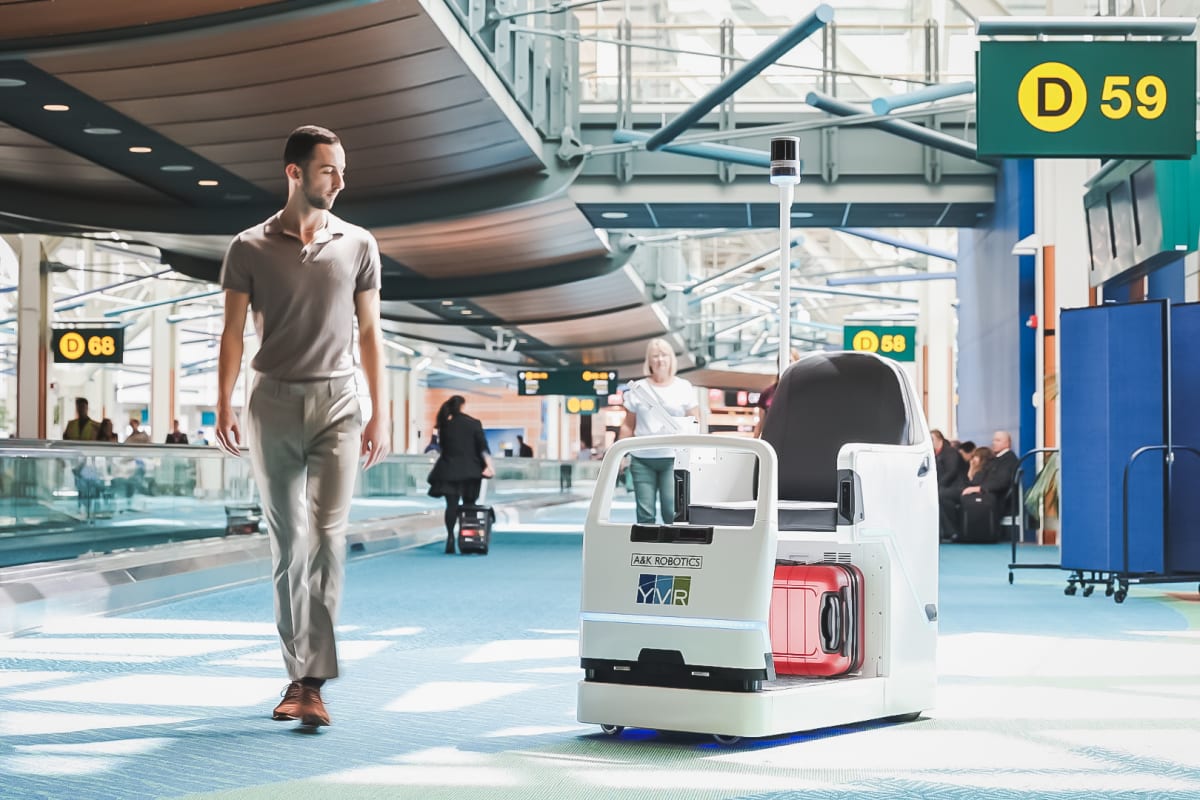
A&K Robotics just raised $8 million to bring autonomous passenger pods to airports worldwide, giving millions of travelers with mobility challenges the freedom to navigate terminals independently. Cruz, their self-driving robot, is already moving passengers through busy terminals in Vancouver and Madrid.
📺 Watch the full story above
Getting through an airport terminal shouldn't feel impossible for one in six travelers, but that's the reality for people with mobility challenges. Now a Canadian robotics company is changing that with self-driving pods that let passengers navigate crowded terminals on their own.
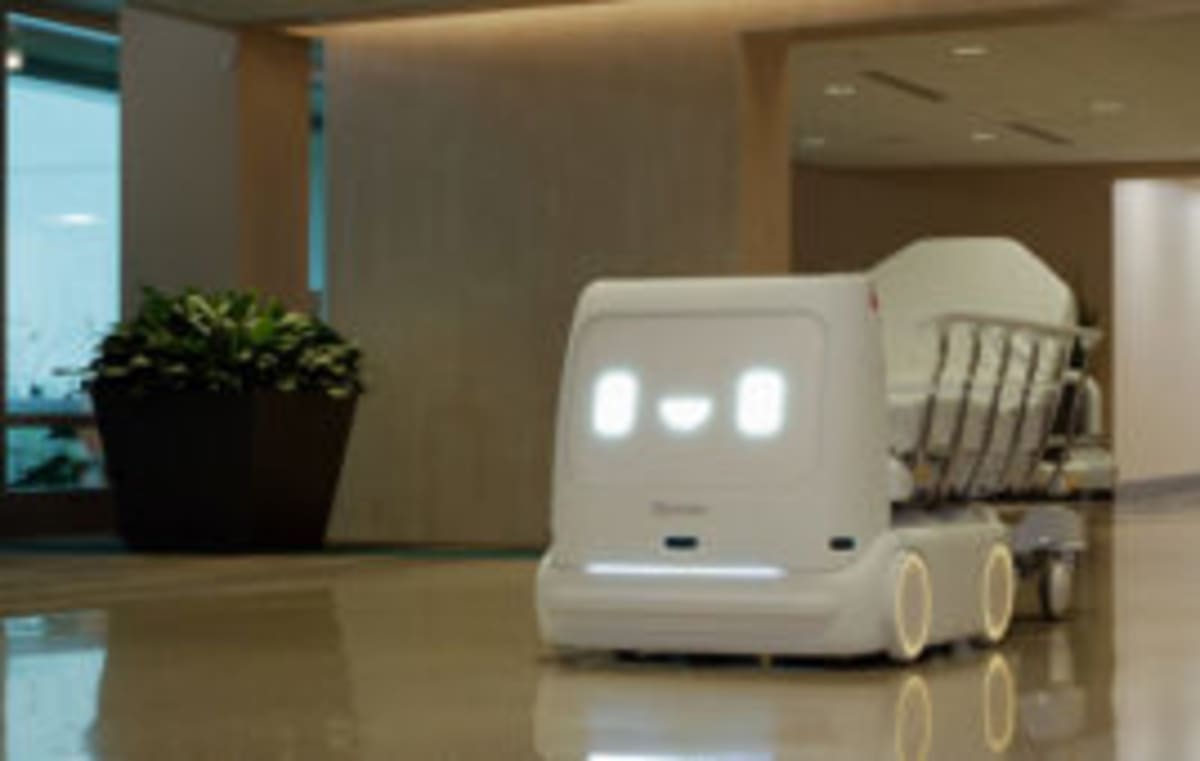
A&K Robotics just secured $8 million to expand Cruz, an autonomous passenger pod already operating in major airports like Vancouver International and Madrid-Barajas. The robot works like a self-driving car designed specifically for indoor spaces, carrying riders to their gates while safely navigating around crowds.
The timing couldn't be better. Requests for airport wheelchair assistance are jumping 10 to 15 percent every year, far outpacing overall passenger growth. Airports simply can't hire enough staff to keep up with demand, leaving travelers waiting hours for help or missing flights entirely.
Cruz solves this by operating around the clock without breaks. Passengers select their destination on a touchscreen, and the robot handles the rest using sensors and artificial intelligence to chart the safest path. It adjusts in real time, moving smoothly through the chaos of busy terminals.
Vancouver International Airport, named Best Airport in North America 15 times, is already using Cruz to serve passengers. Madrid-Barajas Airport, which handles over 380 million travelers annually as part of the world's largest airport network, has also deployed the technology.
The $8 million investment came from BDC Capital, one of Canada's largest venture investors, and Vantage Futures, the venture arm of a major airport operator. That backing from actual airport companies signals real industry confidence in autonomous mobility.
The Ripple Effect
Beyond helping individual travelers, Cruz addresses a workforce crisis hitting airports globally. Labor shortages make it nearly impossible to staff traditional wheelchair services adequately, forcing tough choices about who gets assistance and when.
Autonomous pods create a new solution that scales with demand. More passengers don't mean more hiring headaches, just more robots operating in parallel. The technology gives airports a way to meet growing accessibility needs without compromising service quality.
For travelers with mobility challenges, that means real independence. No more waiting in long queues for assistance. No more worrying about missing connections because help didn't arrive in time. Just the freedom to move through the airport on your own schedule.
CEO Matthew Anderson put it simply: "Air travel is chaotic enough. Getting to your gate shouldn't be part of the problem." With airports finally embracing autonomous solutions, millions of travelers are about to experience exactly that kind of seamless journey.
More Images
Based on reporting by The Robot Report
This story was written by BrightWire based on verified news reports.
Spread the positivity!
Share this good news with someone who needs it