Alaska Firefighters Gain Ice Rescue Skills After Tragedy
One year after a drowning at Chilkoot Lake, eleven Alaska first responders earned ice rescue certifications to better protect their community. The training turns grief into action, giving Haines the tools to respond safely to future emergencies.
One year after watching a drowning victim disappear beneath the ice of Chilkoot Lake, Alaska firefighters and rangers returned to the same frozen water with new skills and equipment. This time, they were ready to save lives.
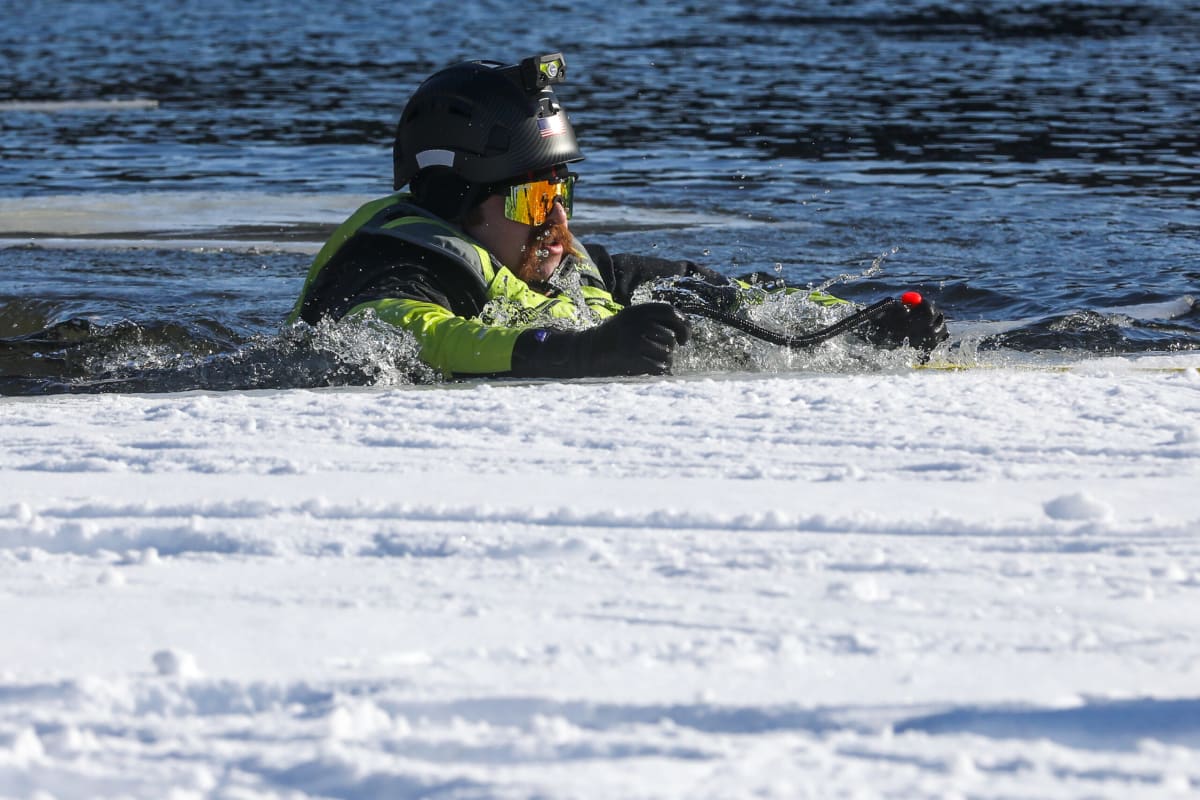
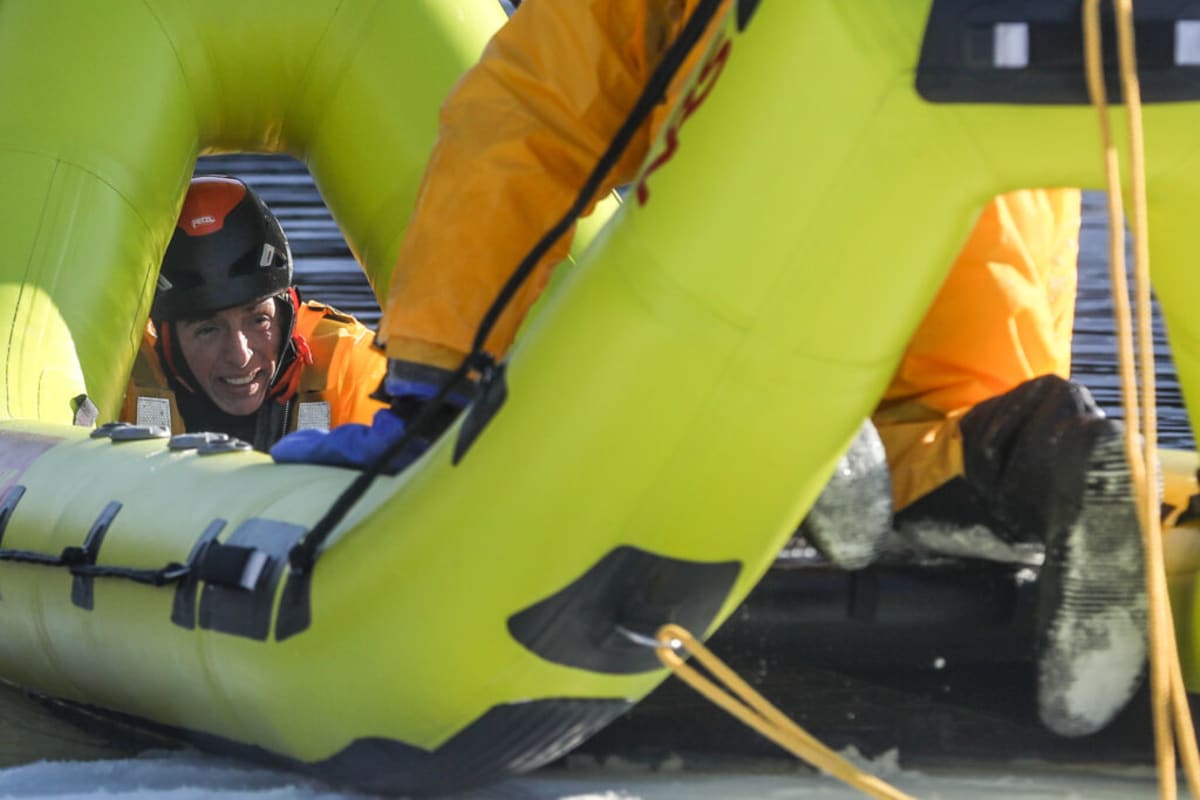
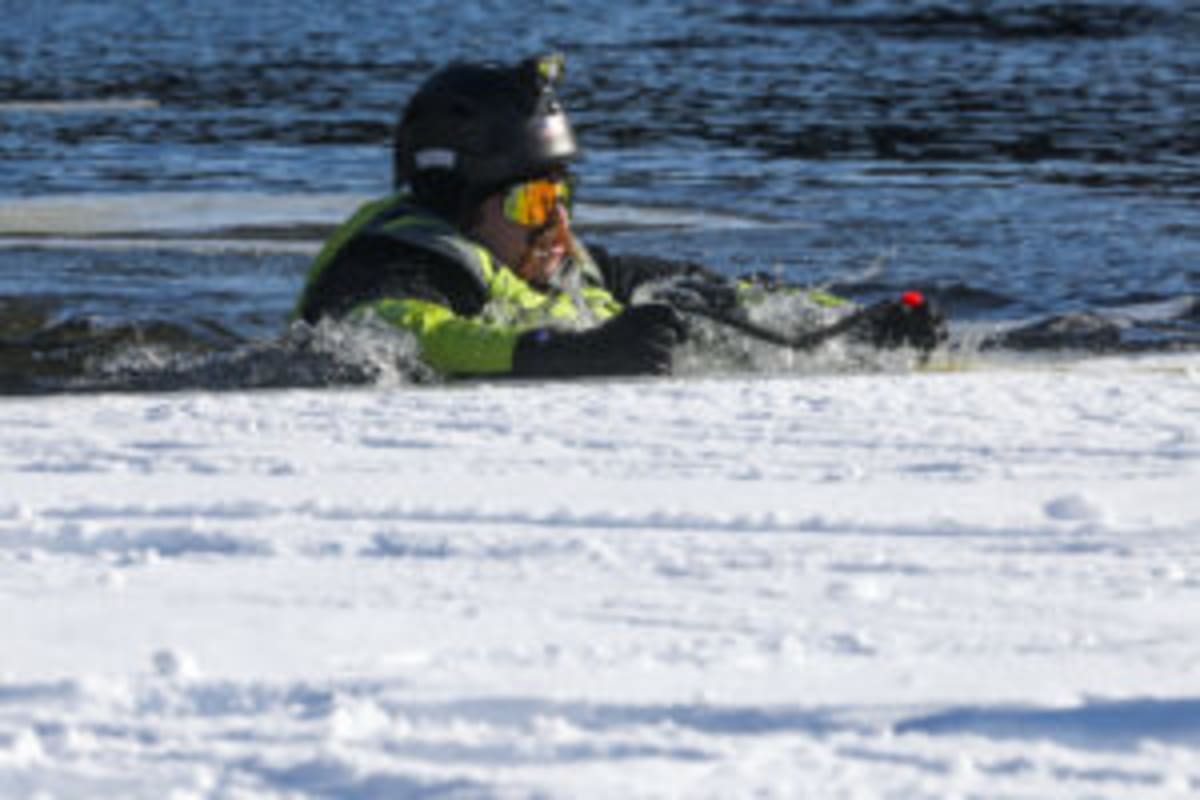
Eleven volunteers and state workers spent a March weekend earning ice rescue technician certifications at Chilkoot Lake near Haines, Alaska. They learned to travel safely across thin ice, perform water rescues, and operate a new 15-foot inflatable rescue boat.
The training came after author Tom McGuire fell through the ice in winter 2025. State Park Ranger Jacques Turcotte and six volunteer firefighters walked over a mile onto the lake trying to reach him, but had to turn back when the ice became too dangerous.
"I was in the lead and the ice started to spiderweb under my feet," Turcotte said. McGuire was later found dead.
For Turcotte, the weekend training offered more than new skills. It provided healing after a year of wondering what he could have done differently.
"Unfortunately, I don't think the outcome would have been different. I think we could have been a lot safer in our approach," he said.
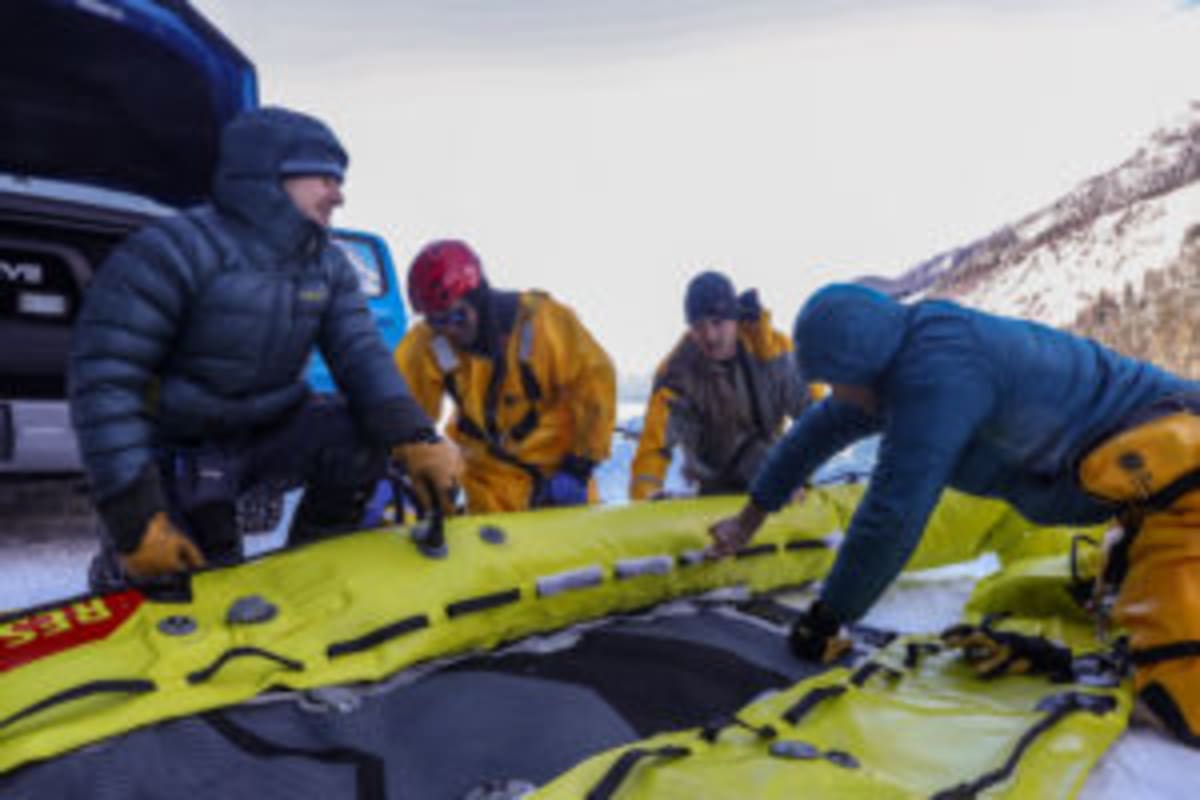
The Haines Volunteer Fire Department spent $10,700 on the training and equipment through grants and donations. They purchased four Mustang cold water survival suits, the rescue raft, and brought in certified instructor Luc Mehl from Triple Point Training.
On a single-digit temperature Sunday, the group practiced breaking through thin ice, climbing out of frigid water, and using rescue hardware like webbing slings and backboards. Mehl, who travels to Alaska communities after close calls, emphasized the importance of proper training.
Fire Chief Zak Overmyer said the certification allows them to develop standard operating procedures instead of responding with "piecemeal" methods. The training matters especially as climate change creates less predictable ice conditions on local lakes.
The Ripple Effect
The training is changing behavior beyond emergency response. Some participants now insist everyone wears life vests during winter recreation on the water. Others are buying ice spikes to help pull themselves out if they fall through.
Turcotte said the most valuable lesson was learning that freeze-thaw cycles make ice thickness unreliable for predicting strength. Going out on frozen lakes "needs to get some extra respect from us and maybe it's not as simple as 'the ice is really thick and I'm good to go,'" he said.
For the firefighters who responded to last year's tragedy, the training felt cathartic. They transformed a painful memory into meaningful action that will protect their community for years to come.
Now when someone needs help on the ice, Haines first responders will have the training, equipment, and procedures to bring them home safely.
More Images

Based on reporting by Google News - Firefighter Rescues
This story was written by BrightWire based on verified news reports.
Spread the positivity!
Share this good news with someone who needs it