Alaska Town Powers Local Data Center With Excess Hydro
A remote Alaskan fishing town just solved two problems at once: putting excess clean energy to work and bringing data processing closer to home. Cordova installed a data center inside its hydroelectric plant, cooled by mountain meltwater.
📺 Watch the full story above
The remote town of Cordova, Alaska, found a brilliant use for energy it was literally throwing away.
With 2,600 residents and a thriving fishing industry, Cordova has spent years moving away from expensive diesel imports toward hydropower. The town now generates so much clean energy from its rivers that 20% to 25% goes unused every year, spilling over without purpose.
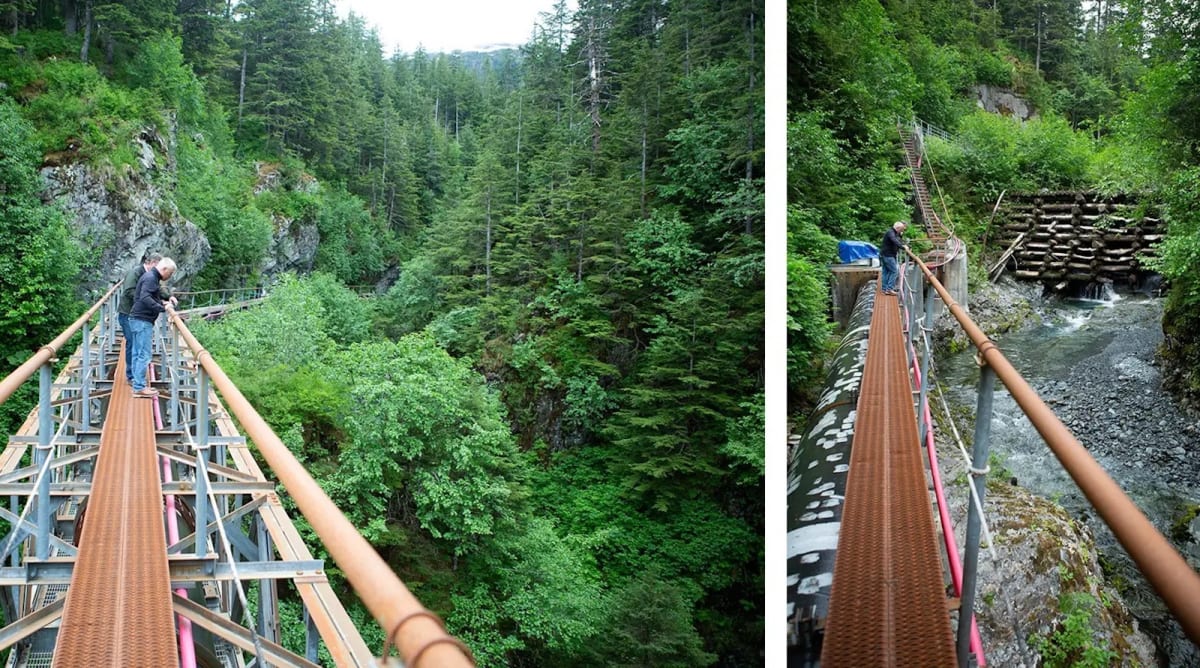
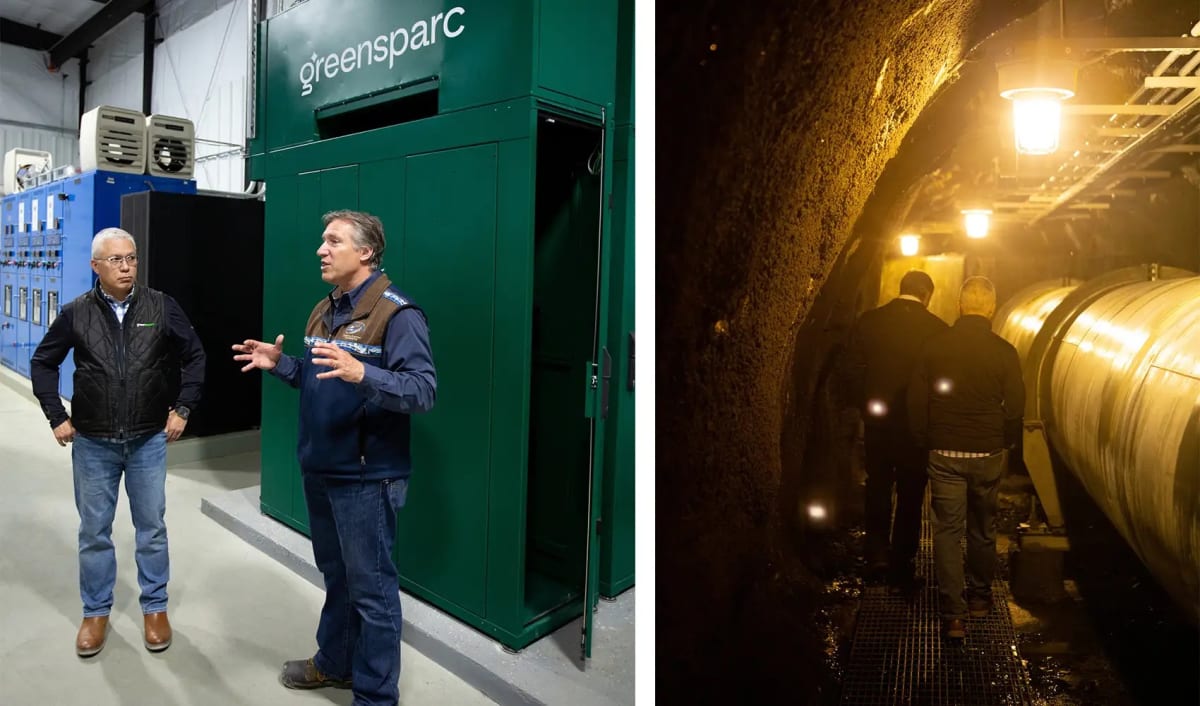
Enter an unexpected solution: a data center built right inside the Humpback Creek hydroelectric facility. The 170-kilowatt computing center sits just 20 feet from the generators, powered by surplus hydropower and cooled by the same chilly mountain meltwater that spins the turbines.
"We're spilling gigawatt-hours of excess hydropower," said Clay Koplin, CEO of Cordova Electric Cooperative. "This data center can put the excess to use."
The pilot project emerged from Cordova's earlier success with microgrids. From 2017 to 2023, the U.S. Department of Energy helped the town build a smart microgrid that balances its highly seasonal energy demands. Now Cordova is applying that same think-local philosophy to data.
For Alaskans, internet access and data processing often come from thousands of miles away via satellite or fiber lines. It's expensive and unreliable, much like electricity used to be. Greensparc, the company behind the modular data center, calls this approach "bringing data inside the fence."
The setup provides computing capacity for utility controls and local businesses. It also demonstrates possibilities for other remote locations like medical facilities, research outposts, and places where data privacy matters most.
The Ripple Effect
This small-scale experiment could inform much larger projects. As artificial intelligence drives massive demand for data centers nationwide, utilities are exploring how microgrids can power computing without straining existing electric grids.
The Department of Energy recently tested similar concepts using advanced simulation platforms. Their research shows how combining different energy sources can handle the big, changing power loads that data centers require.
For Cordova, the benefits extend beyond just using excess energy. The town is building resilience by keeping both energy and data local, reducing dependence on distant infrastructure that can fail when you need it most.
What started as a fishing town solving an energy problem has become a blueprint for the future of computing in remote places.
More Images
Based on reporting by CleanTechnica
This story was written by BrightWire based on verified news reports.
Spread the positivity!
Share this good news with someone who needs it