Alaska Volunteers Remove 1.5M Pounds of Beach Trash
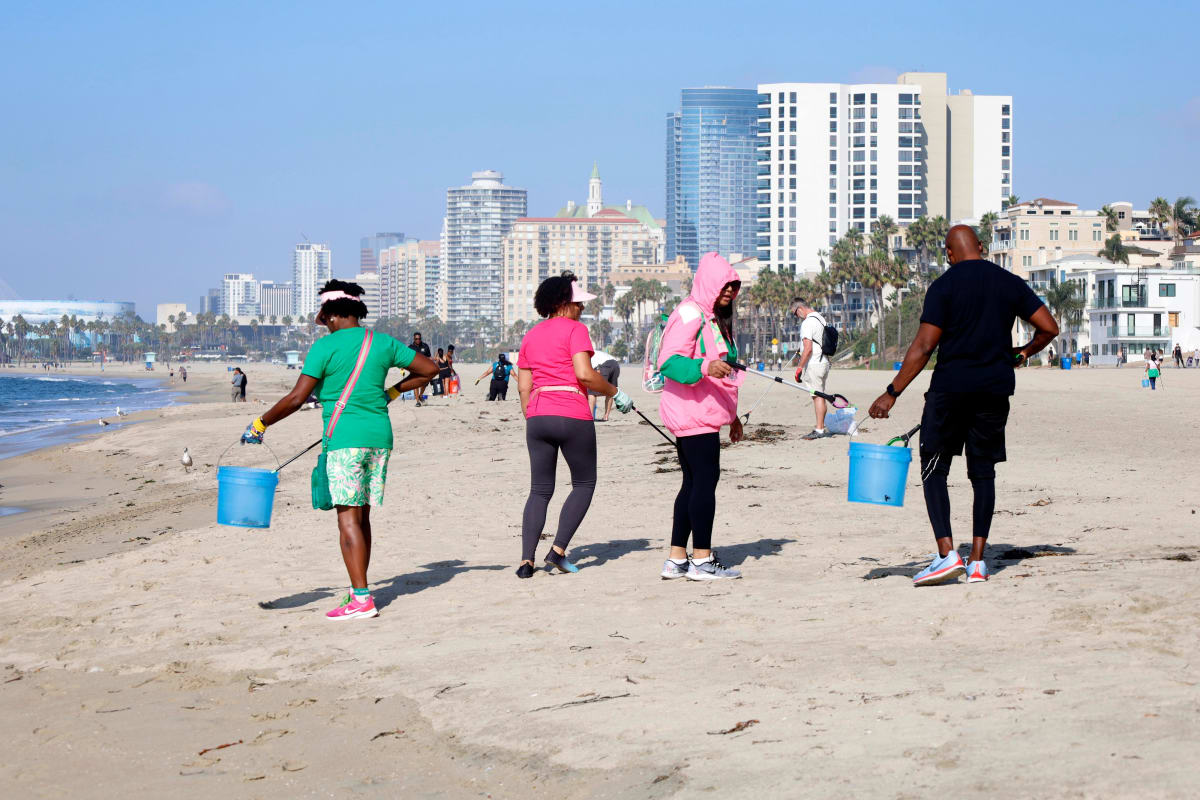
Nearly 1,700 Alaskans came together in 2025 to clear over 1.5 million pounds of marine debris from their coastlines. The massive community effort spanned more than two dozen coastal communities from the state's remote northwestern tip to its southern islands.
Alaskans just proved that when communities unite around a common cause, the results can be staggering.
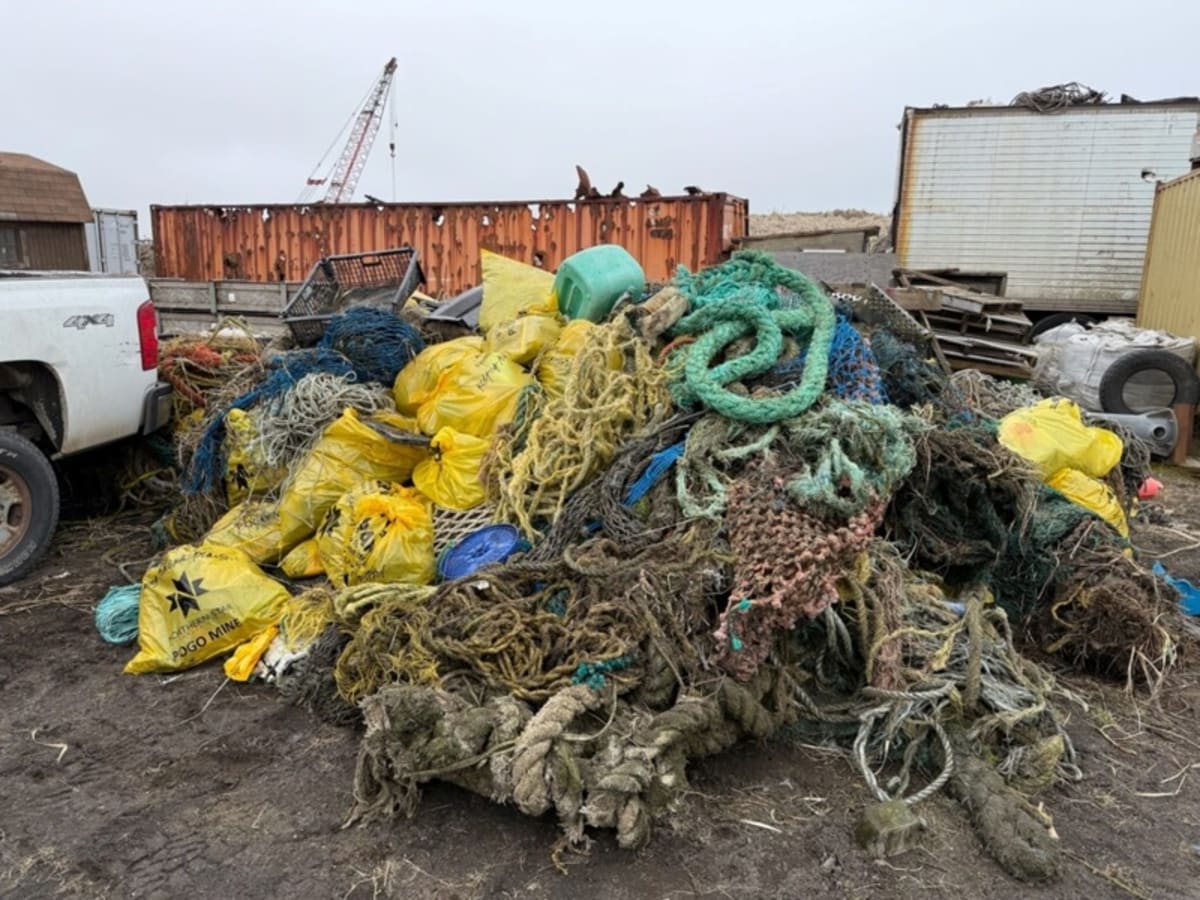
In 2025, organized beach cleanups across Alaska removed more than 1.5 million pounds of marine debris from coastal areas, according to a new report from Ocean Conservancy, Alaska Sea Grant, and the Sitka Sound Science Center. Nearly 1,700 volunteers participated in cleanups spanning from Wales, an Inupiat village just 55 miles from Russia, all the way to Prince of Wales Island at the southern tip of the Southeast panhandle.
The scale of this effort becomes even more impressive when you consider Alaska's unique challenges. The state has about 66,000 miles of coastline, more than all other U.S. states combined, and most of it sits in remote, hard-to-reach locations.
Much of the trash doesn't even originate in Alaska. Ocean currents carry debris from distant sources to Alaska's shores, making the cleanup work feel endless at times.
The most common culprits? Discarded fishing gear dominated the haul. In the Pribilof Island community of St. Paul, over 90% of the 25,888 pounds collected consisted of fishing nets and line material.
This isn't just about aesthetics. Marine debris poses serious threats to wildlife through ingestion and entanglement, interferes with fishing and recreation, and creates hazards for mariners navigating Alaska's waters.
The Ripple Effect
Alaska lawmakers took notice of these community efforts. In May, they unanimously passed Senate Joint Resolution 20, calling for increased federal funding to support marine debris removal and better coordination between government agencies, coastal communities, tribes, and nonprofits.
The resolution highlights how grassroots action can inspire policy change. What started as local volunteers picking up trash on remote beaches turned into a statewide movement that caught legislators' attention.
Kristina Tirman, Ocean Conservancy's Arctic marine debris manager, emphasized the bigger picture. "This report gives us an opportunity to better understand the scale of the marine debris problem in Alaska and highlight the incredible efforts happening in communities across the state," she said.
For context, an earlier report found that various Alaska communities collected over 3 million pounds of beach debris between 2006 and 2014. The fact that organized efforts in just one year removed half that amount shows how community coordination can amplify impact.
Ocean Conservancy also contributed to Alaska's Marine Debris Action Plan, issued by the National Oceanic and Atmospheric Administration, creating a roadmap for tackling this challenge long-term.
When nearly 1,700 people choose to spend their time cleaning beaches instead of enjoying them, it sends a powerful message about stewardship and hope for the future.
More Images



Based on reporting by Google News - Ocean Cleanup
This story was written by BrightWire based on verified news reports.
Spread the positivity!
Share this good news with someone who needs it