Alaska Volunteers Remove 1.5M Pounds of Ocean Trash
Nearly 1,700 volunteers hauled away more than 1.5 million pounds of marine debris from Alaska's remote coastlines in 2025, tackling everything from ghost fishing gear to microplastics. The massive cleanup effort stretched from Southeast Alaska to the Bering Strait, protecting wildlife and communities in some of Earth's most isolated coastal regions.
When trash washes up on Alaska's shores, it doesn't arrive gently. Ocean currents deposit millions of pounds of debris each year onto beaches so remote that cleanup crews need helicopters, vessels, and field camps just to reach them.
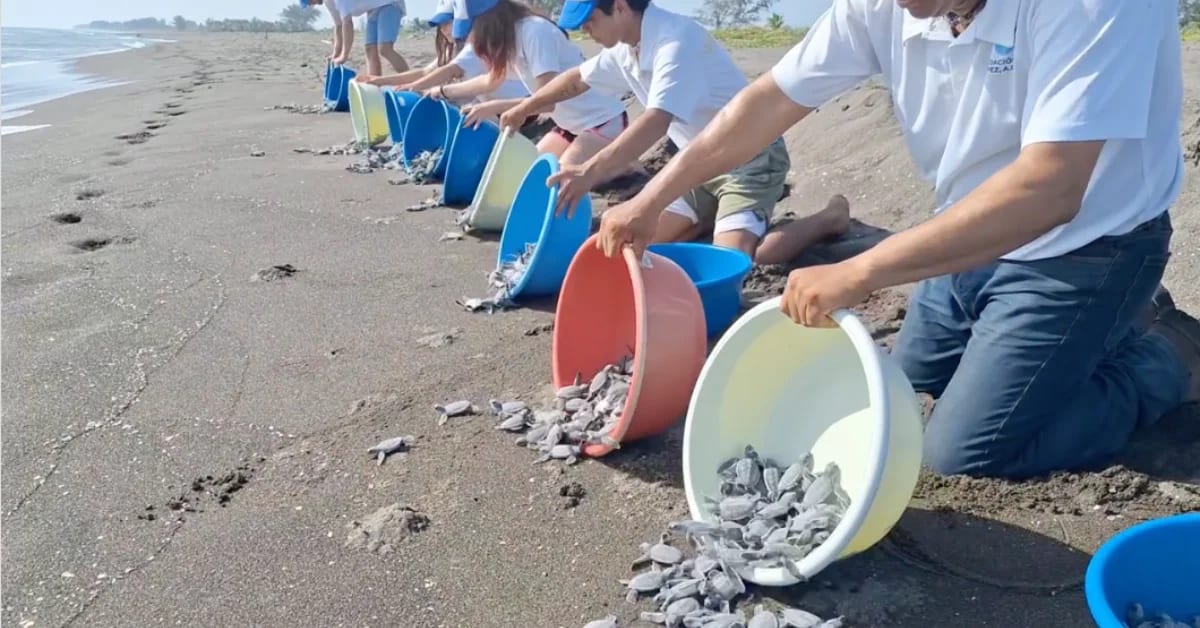
Last year, 1,659 determined volunteers decided that wasn't acceptable. Working with 25 lead organizations and local partners, they removed over 1.5 million pounds of marine debris from Alaskan coastlines in a coordinated effort that spanned from Southeast Alaska to the Bering Strait.
The cleanup efforts varied wildly based on location. Some communities organized single-day beach events where families picked up plastic bottles and microplastics. Others mounted multi-month expeditions to reach isolated shores, hauling away derelict fishing gear known as "ghost gear," the deadliest form of plastic pollution for ocean wildlife.
Ghost gear dominates cleanup hauls in many Alaskan communities. These abandoned fishing nets and lines continue trapping and killing marine animals long after they're lost or discarded, making their removal critical for ecosystem health.
The logistics alone tell an impressive story. After collecting debris from remote beaches, volunteers had to transport waste to proper recycling or disposal facilities. In many communities, that meant loading trash onto barges and shipping it thousands of miles to the lower 48 states.
Ocean Conservancy, Alaska Sea Grant, and the Sitka Sound Science Center recently released a comprehensive report documenting these efforts. The collaboration highlights both the scale of ocean trash washing ashore and the extraordinary commitment of coastal communities fighting back.
"This report gives us an opportunity to better understand the scale of the marine debris problem in Alaska and highlight the incredible efforts happening in communities across the state," said Kristina Tirman, Ocean Conservancy's Arctic Marine Debris manager.
The Ripple Effect
The impact extends far beyond cleaner beaches. Many of these cleanup groups have worked for decades to protect their coastal environments, building expertise and community networks that strengthen with each effort. Newer organizations are joining the movement, bringing fresh energy and expanding the geographic reach of debris removal.
Alaska Sea Grant supports many community-led initiatives through competitive grants funded by the National Oceanic and Atmospheric Administration Marine Debris Program. Director Ginny Eckert emphasized the power of local knowledge and leadership in making these cleanups successful.
Across Alaska, fishermen, Tribal entities, and local organizations identified their own priorities and organized their own solutions. They know their coastlines intimately and understand what needs protection most.
The report's authors note that maintaining these cleanup efforts requires adequate resources and long-term support, ensuring that Alaska's beaches and wildlife get the protection they deserve for years to come.
More Images

Based on reporting by Google News - Ocean Cleanup
This story was written by BrightWire based on verified news reports.
Spread the positivity!
Share this good news with someone who needs it