Alaska's Gwich'in Sue to Protect Sacred Caribou Refuge
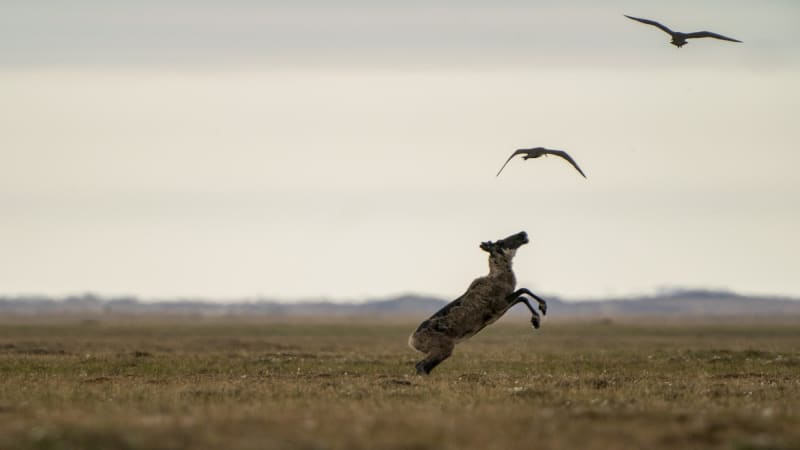
Three Gwich'in tribal governments are taking the federal government to court to protect the Arctic National Wildlife Refuge, where the caribou herd they've depended on for thousands of years gives birth each year. The lawsuit challenges oil and gas leasing plans that could threaten both the animals and the Indigenous communities who call themselves "the caribou people."
Raeann Garnett didn't expect to be fighting for her people's survival at 29, but as tribal chief of the Native Village of Venetie in northeastern Alaska, protecting the land comes with the job.
In January, three Gwich'in governments filed a lawsuit to stop the first-ever oil and gas auction in Alaska's Arctic National Wildlife Refuge. The 1.56 million acre coastal plain at stake isn't just wilderness to the Gwich'in. It's Iizhik Gwats'an Gwandaii Goodlit, "the sacred place where life begins," where Porcupine caribou herds have foraged and given birth for millennia.
The Gwich'in call themselves "the caribou people" for good reason. They've relied on the herd for food and cultural survival since before colonization, living alongside the same migratory routes used for thousands of years.
The legal battle intensified after Congress mandated lease sales in the refuge last summer, and the Trump administration announced it would reinstate leasing programs in 2025. The Bureau of Land Management opened public nominations last week for which parcels will be auctioned this winter.
But the Gwich'in aren't backing down. The Native American Rights Fund lawsuit argues the Department of Interior violated federal law by failing to protect Gwich'in subsistence rights and cultural resources. The Alaska National Interest Lands Conservation Act specifically requires agencies to safeguard these communities and their way of life.
The lawsuit points to a glaring oversight: the government determined that large-scale oil and gas development across the entire coastal plain would have "no significant impact" on Gwich'in communities. A 2024 study proved otherwise, finding caribou are far more sensitive to traffic and human activity than previously believed.
For villages like Venetie, accessible only by plane and located above the Arctic Circle, caribou aren't optional. With high fuel costs and expensive groceries, subsistence hunting provides essential food. Disrupting the herd's migration, foraging, and calving could make the refuge uninhabitable for the animals, leaving communities without their primary food source.
Why This Inspires
Despite facing one of the world's most powerful governments and entrenched oil interests, these small Indigenous communities are standing firm for their future. Garnett represents just 200 people, yet she's taking on federal agencies to protect what matters most.
The fight comes as the Arctic faces mounting climate threats. This winter has been the warmest Garnett can remember, and a 2024 federal report confirmed the region continues warming faster than anywhere else on Earth due to fossil fuel use.
"I feel worried for the next generations, after us, after me," Garnett said. "I want them to have what we have now."
Her determination reflects a deeper truth: sometimes the smallest voices carry the most important messages about what's worth protecting.
More Images



Based on reporting by Grist
This story was written by BrightWire based on verified news reports.
Spread the positivity!
Share this good news with someone who needs it