Alex Honnold Climbs 4,000-Foot Greenland Glacier for Science
World-renowned free solo climber Alex Honnold just conquered one of the planet's biggest unclimbed rock faces while helping scientists gather crucial climate data. The expedition combined extreme athleticism with groundbreaking glacial research in one of Earth's most remote locations. #
The climber who made headlines for scaling El Capitan without ropes just pushed the boundaries of human achievement again, this time for science.
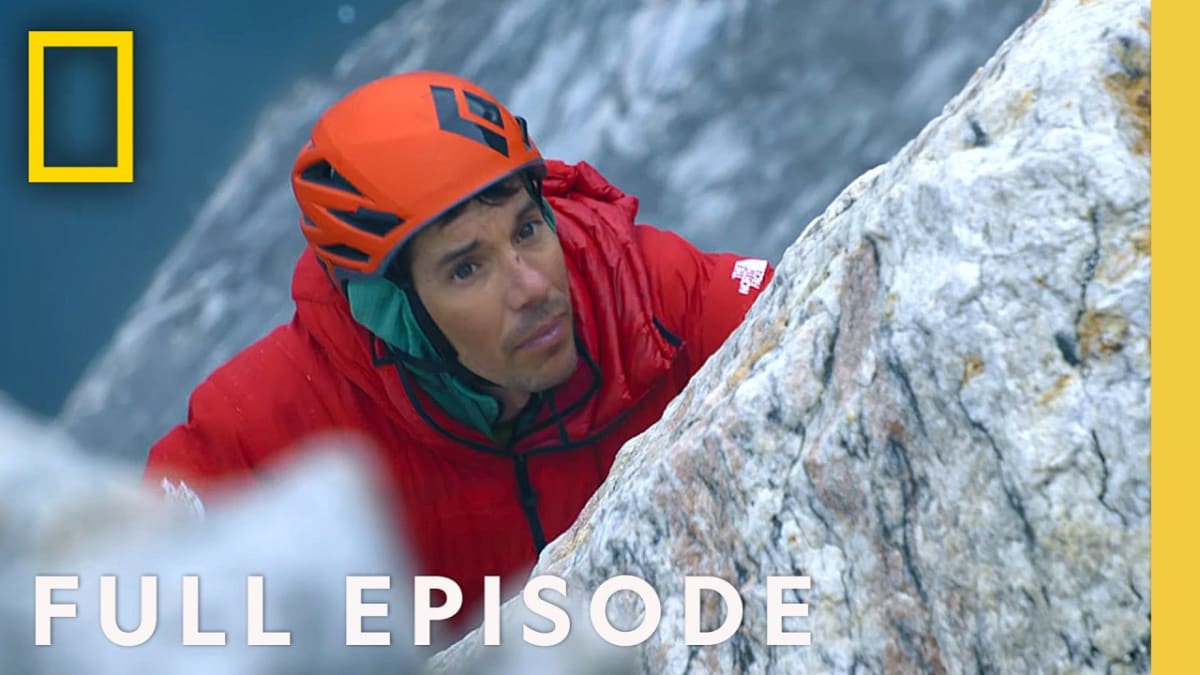
Alex Honnold and a team of expert climbers recently completed an epic ascent of Ingmikortilaq, a massive 4,000-foot sea wall in Greenland that had never been climbed before. But this wasn't just about reaching the summit.
Honnold partnered with glaciologist Heidi Sevestre to gather critical field data on one of Greenland's most important glaciers and the Renland Ice Cap. While navigating treacherous ice falls and vertical rock faces, the team collected measurements that help scientists understand how climate change is affecting Arctic glaciers.
The expedition represents a new model for exploration where athletic achievement meets scientific discovery. Honnold's climbing skills gave researchers access to remote locations that would otherwise be nearly impossible to study.
Sevestre and her team used the climb to document glacial movement, ice thickness, and melting patterns. This data fills crucial gaps in our understanding of how rapidly these massive ice formations are changing.
The Greenland ice sheet contains enough water to raise global sea levels by over 20 feet, making research in this region vital for predicting future impacts. Every measurement counts when scientists are building models to help coastal communities prepare and adapt.
Why This Inspires
What makes this story remarkable is how it redefines what's possible when different fields work together. Honnold could have simply attempted the climb for personal achievement, but he chose to make it meaningful for humanity.
The expedition shows that extreme athletes can be powerful allies for science, reaching places that traditional research teams cannot easily access. It's a reminder that solving our biggest challenges often requires creativity and collaboration across unexpected partnerships.
The team's success also highlights the dedication of climate scientists like Sevestre, who are willing to work in extreme conditions to gather the data we need. Their commitment to understanding our changing planet gives communities worldwide better tools to plan for the future.
When human ambition serves scientific progress, everyone wins.
#
Based on reporting by National Geographic
This story was written by BrightWire based on verified news reports.
Spread the positivity!
Share this good news with someone who needs it