Algeria Solar Plant Bounces Back After Pandemic Slowdown
A 12-megawatt solar plant in Algeria dropped to 78% efficiency during COVID-19 lockdowns but recovered to 84% by 2023, proving that regular care keeps clean energy flowing. Six years of data show what happens when maintenance stops and how quickly systems can bounce back.
When the world locked down in 2020, a solar plant in western Algeria quietly showed us something important: green energy needs human hands to thrive.
Researchers at Djillali Liabes University tracked a massive 12-megawatt solar installation in Sidi Bel-Abbes from 2018 to 2023. The plant's performance dropped sharply in 2020 when pandemic restrictions limited cleaning and maintenance crews.
The numbers tell a striking story. The plant's performance ratio fell from 85% in 2019 to just 78% in 2020. Monthly electricity output hit a low of 1,125 megawatt hours in January 2020, nearly half of what the plant produced during peak months.
But here's where it gets hopeful. By 2023, performance climbed back to nearly 85%, almost matching pre-pandemic levels. The recovery happened as maintenance crews returned and cleaning systems got back on schedule.
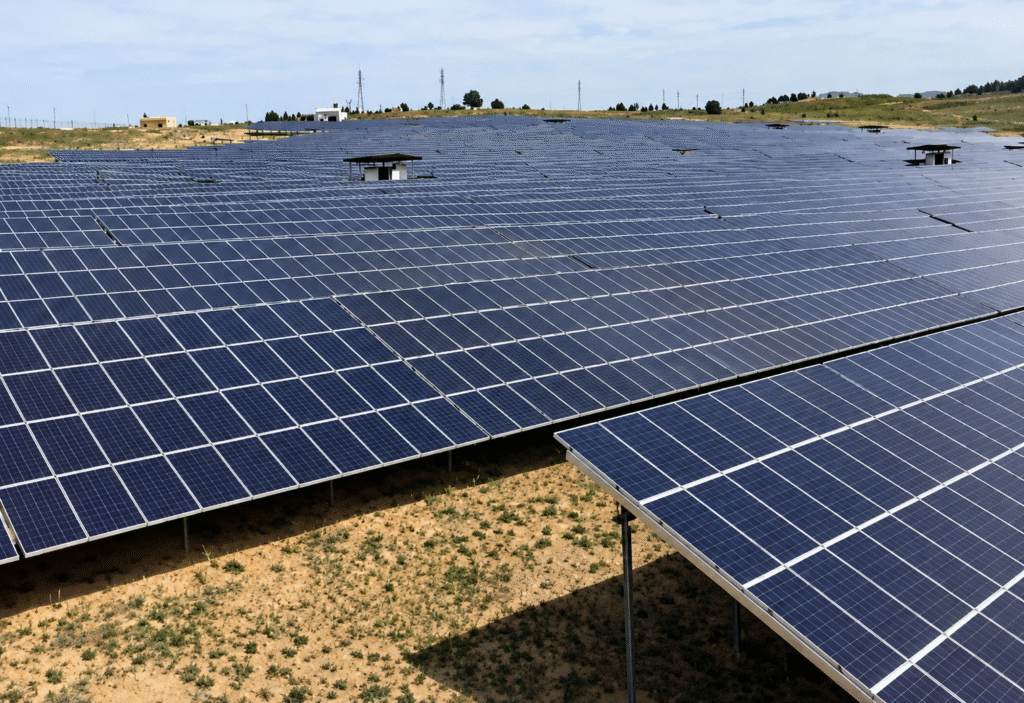
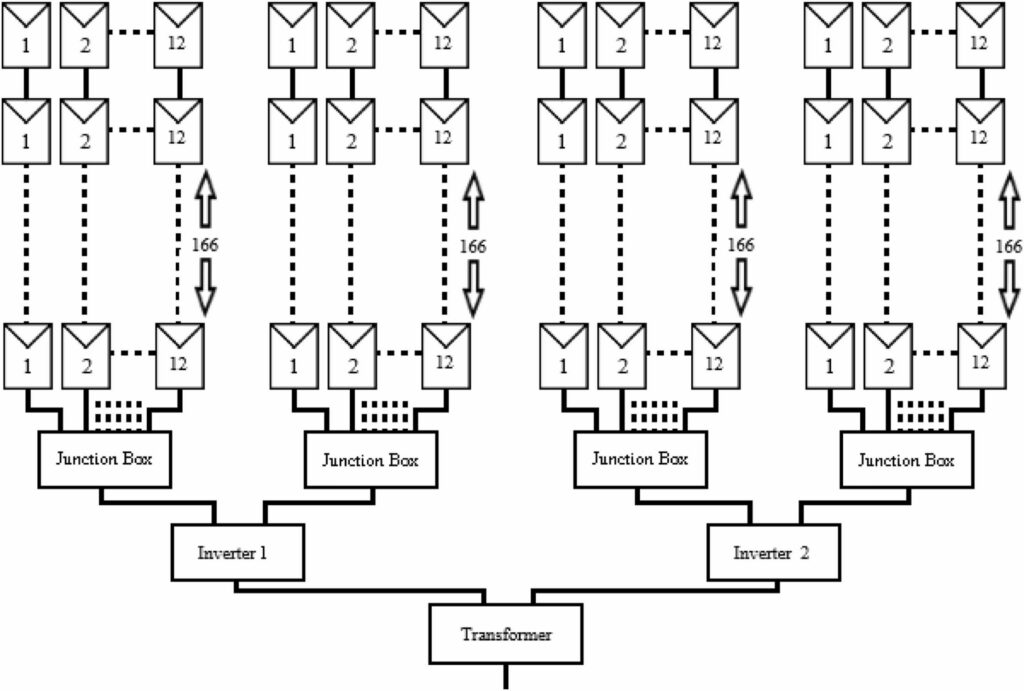
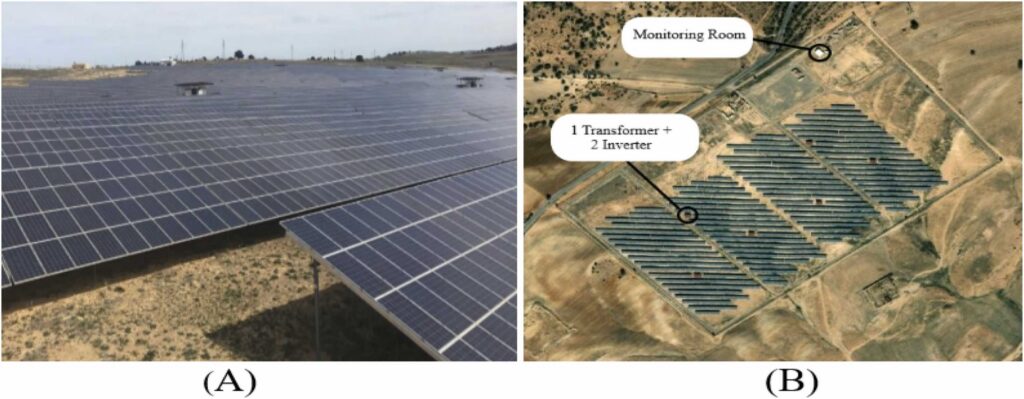
The plant uses nearly 48,000 solar panels spread across six subfields, each monitored every 15 minutes by sophisticated tracking systems. A semi-automatic cleaning system with rotating brushes keeps dust from blocking sunlight, which matters more than you might think in Algeria's climate.
Dust turned out to be a bigger villain than anyone expected. When regular cleaning stopped during lockdowns, dust buildup caused significant energy losses. The moment crews returned to their normal schedules, efficiency began its steady climb back up.
The Bright Side
Despite the pandemic setback, the plant's six-year average performance hit 82.6%, beating similar installations worldwide. Even during its worst year, the facility still generated nearly 20 gigawatt hours, enough to power thousands of homes.
The inverters that convert solar energy to grid electricity maintained rock-solid efficiency at 97-98% throughout all six years. Module efficiency held steady between 12-14%, showing that the physical equipment weathered the reduced maintenance better than expected.
The research revealed something climate advocates have long argued: renewable energy infrastructure is resilient. The plant bounced back quickly once normal operations resumed, with 2023 production nearly matching the record-breaking output of 2019.
Algeria's solar journey mirrors a global shift toward clean energy, even in challenging times. This plant alone has generated over 120 gigawatt hours since 2018, displacing countless tons of carbon emissions.
The researchers published their findings to help other facilities optimize maintenance schedules and cleaning systems. Their message is clear: investing in regular upkeep pays off in sustained clean energy production that benefits everyone breathing the air.
Sometimes the best news comes from systems working exactly as they should, bouncing back stronger after temporary setbacks.
More Images

Based on reporting by PV Magazine
This story was written by BrightWire based on verified news reports.
Play Today’s BrightWire Positive Mini Crossword & Word Game
Keep your mind sharp with our free 5-minute uplifting daily crossword and positivity word puzzle.
Spread the positivity!
Share this good news with someone who needs it