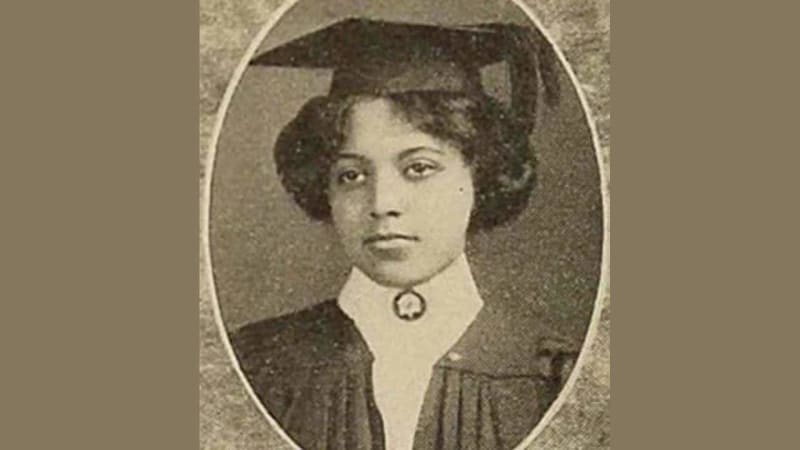
Alice Ball Discovered Leprosy Cure at 23, Uncredited for 84 Years
A young Black chemist solved one of medicine's deadliest puzzles in 1915, freeing patients from forced exile. Her groundbreaking treatment saved thousands, but a colleague stole credit until researchers restored her legacy decades later.
At just 23 years old, Alice Augusta Ball created a treatment that freed people from lifelong isolation and gave them hope of returning home.
Born in 1892, Ball excelled in science when few women, especially Black women, could access higher education. She earned two chemistry degrees from the University of Washington and moved to Hawaii in 1914 to continue her research.
In 1915, Ball became the first woman and first African American to graduate from the College of Hawaii with a master's degree in chemistry. The university immediately hired her as an instructor, making her one of the youngest and most groundbreaking faculty members in the institution's history.
At that time, leprosy patients faced a devastating reality. Authorities forcibly removed them from their families and exiled them to Molokai, an isolated Hawaiian settlement. Doctors tried treating them with chaulmoogra oil, but patients couldn't absorb it properly and became violently ill from the thick substance.
Dr. Harry Hollmann approached Ball with an urgent medical challenge: find a way to make the oil work. Ball dove into the chemistry, isolating the oil's active fatty acids and transforming them into injectable ethyl esters that could enter the bloodstream effectively.
The breakthrough worked beautifully. Patients responded to the injections and began healing for the first time. Families separated for years reunited as formerly exiled individuals returned home, their bodies finally responding to treatment.
Ball's method became the standard leprosy treatment worldwide, offering dignity and freedom to thousands who had been abandoned by society.
Tragically, Ball died in December 1916 at age 24, before she could publish her findings. The circumstances of her death remain unclear, though some historians suggest a laboratory accident.
Arthur Dean, a university president and chemist, took over Ball's research after her death. He published her findings under his own name, calling it the "Dean Method" and erasing Ball's contribution entirely.
Why This Inspires
Dr. Hollmann spoke up in 1922, publicly crediting Ball for solving the treatment problem that had stumped the medical community. But it took until 2000 for the University of Hawaii to fully acknowledge her contribution with a commemorative plaque.
In 2007, the university awarded Ball its highest medal of distinction. Hawaii now celebrates Alice Ball Day every February 29, ensuring her name lives on.
Researchers continue discovering her influence on modern chemistry and medicine. Her technique of creating injectable oil compounds influenced pharmaceutical development for decades, even when her name wasn't attached to the innovation.
Ball's story reminds us that groundbreaking science can come from the most unexpected places and that truth eventually surfaces, even after 84 years of silence.
Today, medical students and chemists study the Ball Method as both a scientific achievement and a lesson in giving credit where it's due.
Based on reporting by Google: cure discovered
This story was written by BrightWire based on verified news reports.
Spread the positivity!
Share this good news with someone who needs it
%2Fhttps%3A%2F%2Ftf-cmsv2-smithsonianmag-media.s3.amazonaws.com%2Ffiler_public%2Fcc%2Fa5%2Fcca51174-4295-4234-b8d2-eab719894c73%2Fscreenshot_2026-08-24_at_171648.png)