Alice Ball's Leprosy Cure Reclaimed After 100 Years
A 23-year-old chemist solved one of medicine's deadliest problems in 1915, only to have her breakthrough stolen after her untimely death. Now, more than a century later, Alice Ball's life-saving discovery finally bears her name.
At just 23 years old, Alice Augusta Ball created a treatment that freed thousands of leprosy patients from forced exile, then vanished from the history books before she could tell the world what she'd done.
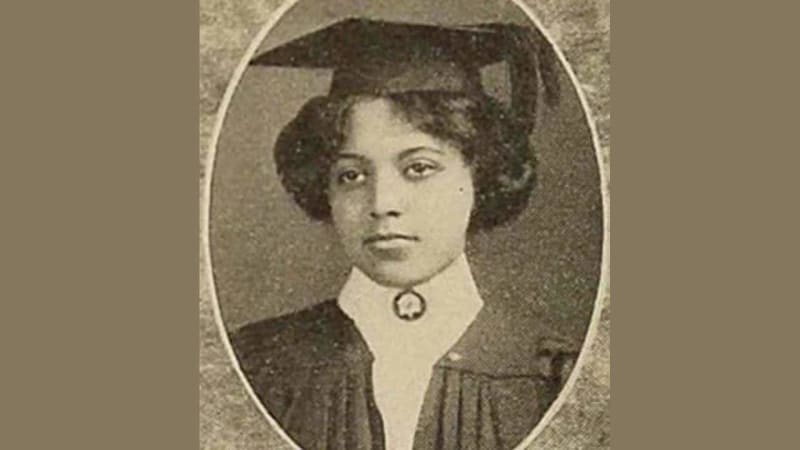
Born in 1892, Ball broke barriers from the start. She earned two degrees in pharmaceutical chemistry and pharmacy from the University of Washington, then moved to Hawaii in 1914 to continue her studies. By 1915, she became the first woman and first African American to graduate from the College of Hawaii's chemistry program, immediately joining the faculty as an instructor.
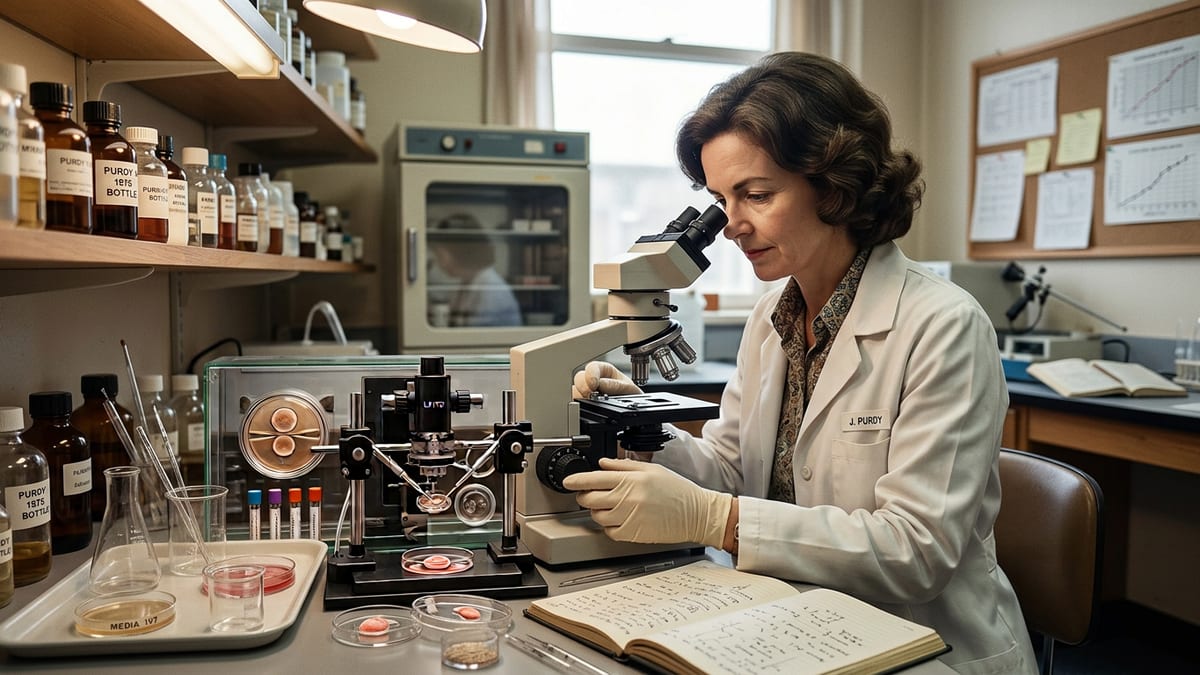
Her biggest challenge arrived when Dr. Harry Hollmann asked for help. Leprosy patients on Molokai island faced lifelong isolation, and the only treatment, chaulmoogra oil, made people violently ill without actually entering their bloodstream. Ball got to work analyzing the oil's chemical structure, isolating its fatty acids, and converting them into injectable ethyl esters that the body could absorb. Patients who received her treatment began recovering, leaving quarantine for the first time in years and reuniting with their families on the mainland.
Then tragedy struck. Ball died in December 1916 at age 24, before publishing her findings. Arthur Dean, a senior colleague, continued her research and published it under his own name, renaming her discovery and erasing her contribution entirely. For decades, the Ball Method was credited to someone else while its true inventor remained forgotten.
The Ripple Effect
In 1922, Dr. Hollmann publicly corrected the record, insisting Ball deserved credit for solving the leprosy problem. But it took until 2000 for the University of Hawaii to honor her with a campus plaque. The state designated February 29 as Alice Ball Day, and in 2007, the university awarded her its highest distinction posthumously.
Ball's method remained the most effective leprosy treatment until the 1940s, when newer drugs emerged. By then, thousands of people had returned to normal life because of her work. Her discovery proved that innovative chemistry could solve problems that seemed impossible, opening doors for future researchers tackling other diseases.
Today, chemistry students study the Ball Method in their coursework. Medical historians include her story when teaching about breakthrough treatments. Young scientists, especially women and people of color, see her as proof that brilliant work eventually gets recognized, even when systems try to hide it.
Alice Ball's legacy isn't just about a cure. It's about justice delayed but not denied, and scientific truth that refuses to stay buried.
Based on reporting by Google: cure discovered
This story was written by BrightWire based on verified news reports.
Spread the positivity!
Share this good news with someone who needs it