All 2,300 US Endangered Species to Get Genomes Sequenced
Every plant and animal on America's Endangered Species list will have its genome sequenced and tissue samples preserved in a groundbreaking effort to supercharge conservation. The partnership between US Fish and Wildlife and a biotech company will create a genetic safety net for species on the brink.
More than 2,300 endangered plants and animals across the United States just got a powerful new lifeline in their fight for survival.
The US Fish and Wildlife Service announced Thursday a partnership to sequence the complete genomes of every species on the Endangered Species list. Tissue samples and reproductive cells from each species will be preserved in a specialized vault cooled by liquid nitrogen, creating what scientists call a "biological insurance policy" for nature's most vulnerable creatures.
The collaboration pairs government wildlife experts with Colossal Biosciences, a company specializing in genetic conservation technology. Fish and Wildlife will handle the fieldwork, collecting samples from endangered species ranging from tiny wildflowers to majestic predators. Colossal will then sequence their genomes and store biological materials in their BioVault facility.
This genetic library could transform how we save species from extinction. Scientists will use the genome data to understand population health, guide breeding programs, and make smarter decisions about habitat restoration. For species teetering on the edge, having their genetic blueprint preserved means future conservationists will have tools we can barely imagine today.
The Endangered Species Act has already delivered remarkable comebacks. Bald eagles, once down to just a few hundred nesting pairs, now soar over much of their original range. Gray wolves have returned to landscapes they hadn't roamed in generations. But thousands of species still need help, and this genetic archive gives them a fighting chance.
The Ripple Effect
The partnership demonstrates something rarely seen in conservation: the merging of cutting-edge biotech with traditional wildlife management. All genetic data will be deposited into open-access repositories, meaning researchers worldwide can tap into this resource at no cost. A small-town university studying local salamanders will have the same genetic tools as major research institutions.
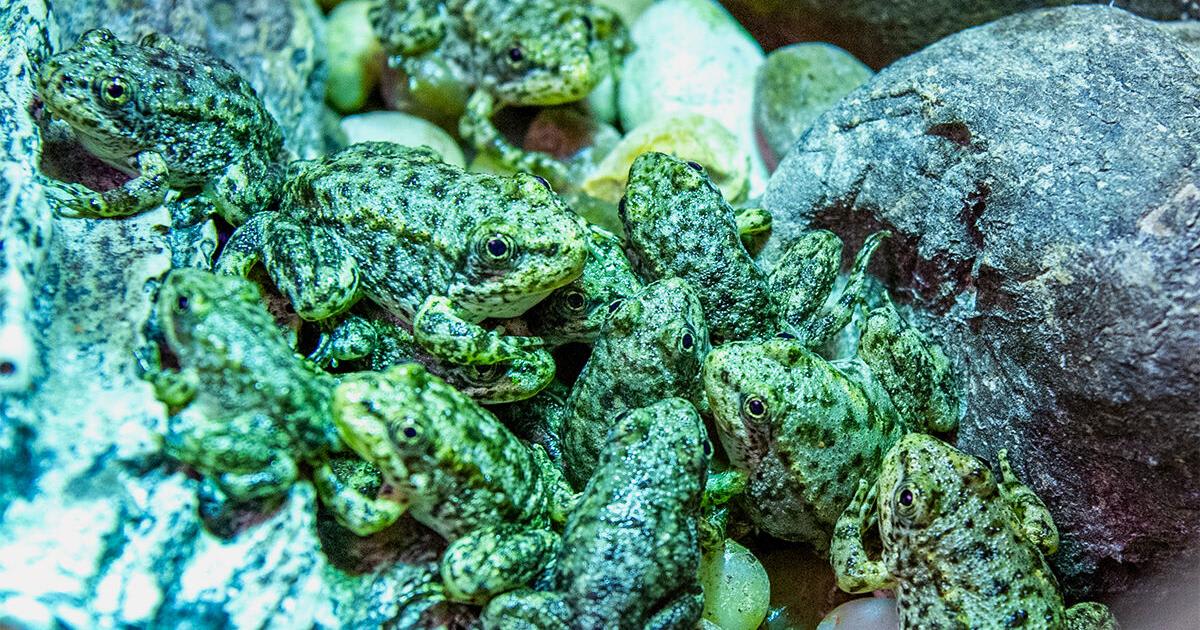
This democratization of genetic information could accelerate recovery efforts across the board. Scientists studying one endangered frog species, for example, might discover insights that help save a completely different amphibian halfway across the country. The genomic data could reveal hidden genetic diversity, identify disease resistance, or help managers decide which populations to connect for healthier breeding.
Some access restrictions will protect sensitive information. Certain data from tribal lands will remain under tribal authority, and location details that could help poachers will be kept confidential. But the vast majority of information will flow freely to anyone working to help these species recover.
The archive also prepares for worst-case scenarios. If a species goes extinct despite our best efforts, preserved tissues and genetic blueprints give future scientists options that don't exist today. It's a safety net we hope never gets used, but one that honors the irreplaceable value of every species we share this planet with.
Conservation just got a 21st-century upgrade, and America's most vulnerable wildlife are the winners.
More Images



Based on reporting by Ars Technica Science
This story was written by BrightWire based on verified news reports.
Spread the positivity!
Share this good news with someone who needs it