Almost Blood Moon' Wows Millions Across the Globe
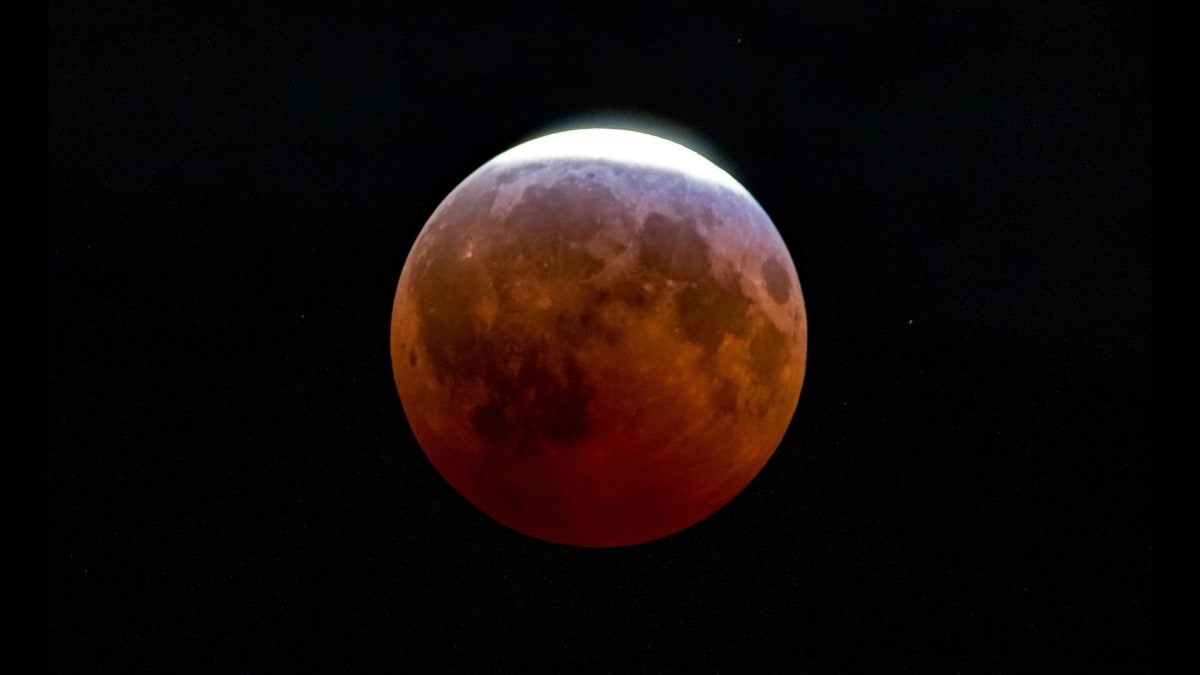
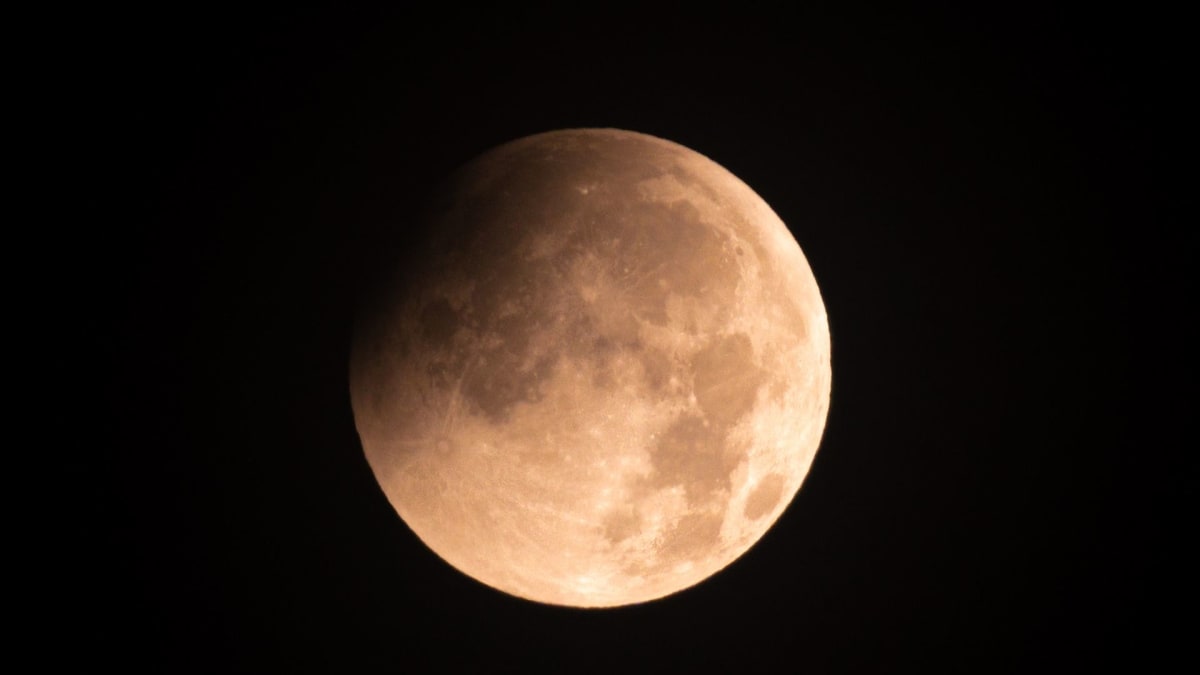
A stunning partial lunar eclipse covered 96% of the moon in red shadow on August 28, creating a rare "almost blood moon" that photographers worldwide stayed up to capture. The celestial show won't happen again until 2028.
Millions of skywatchers around the world looked up on August 28 to witness something extraordinary: Earth's shadow turning the full moon a deep, glowing red.
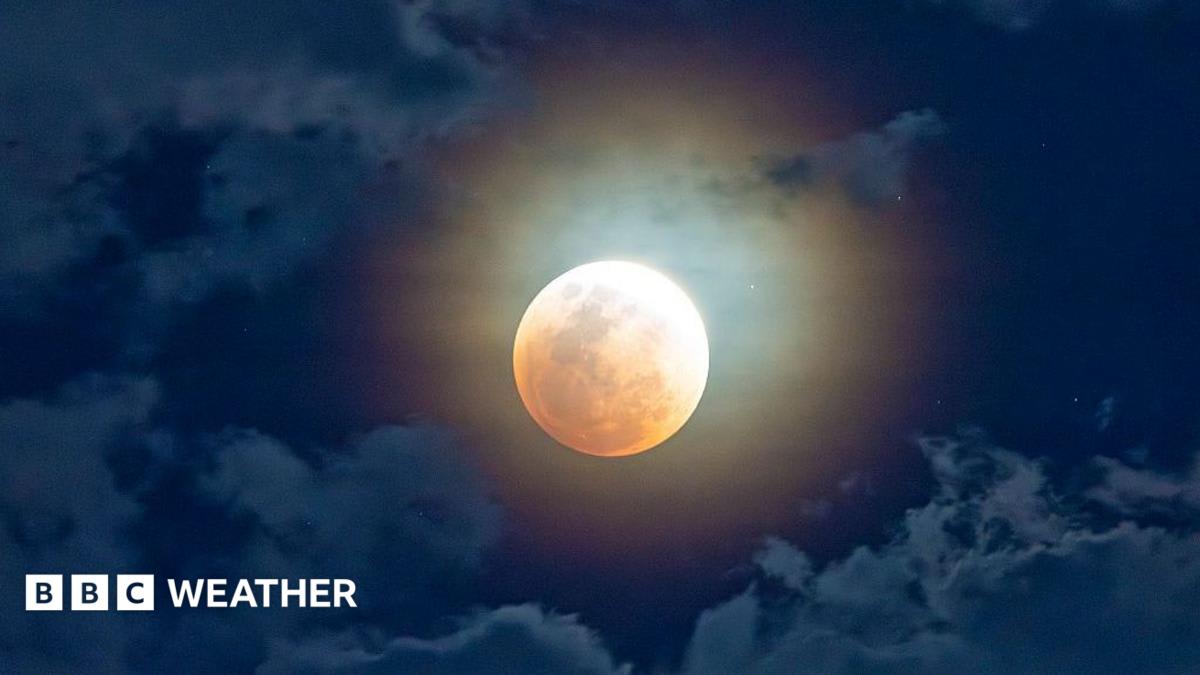
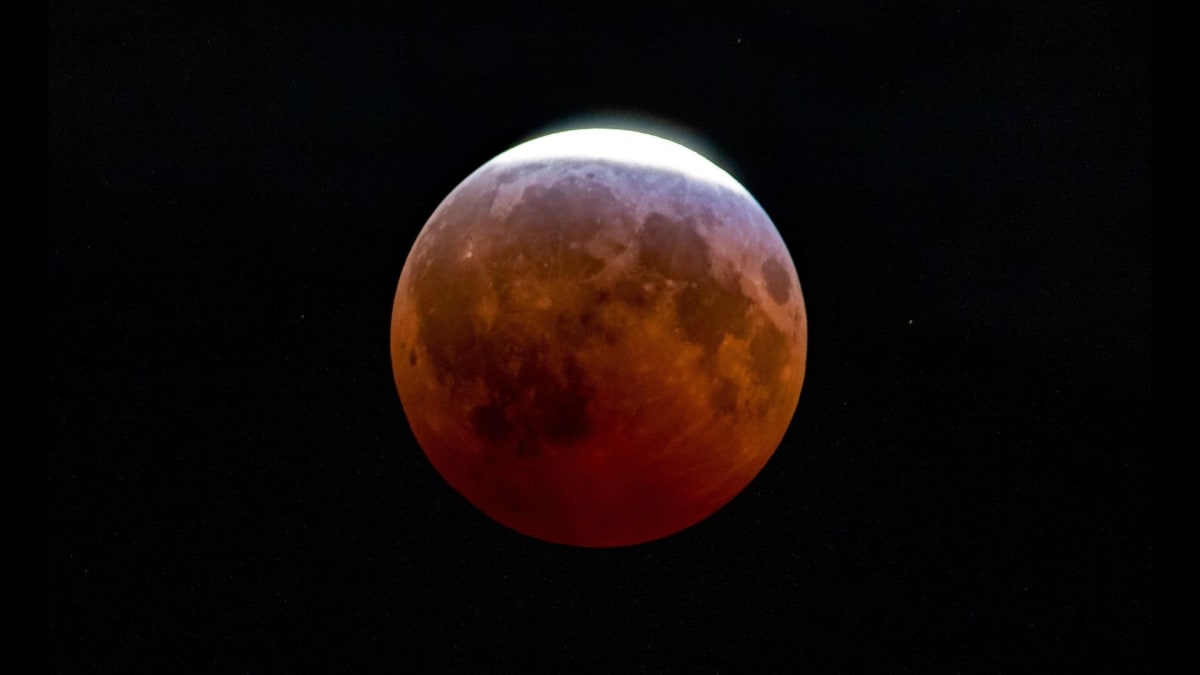
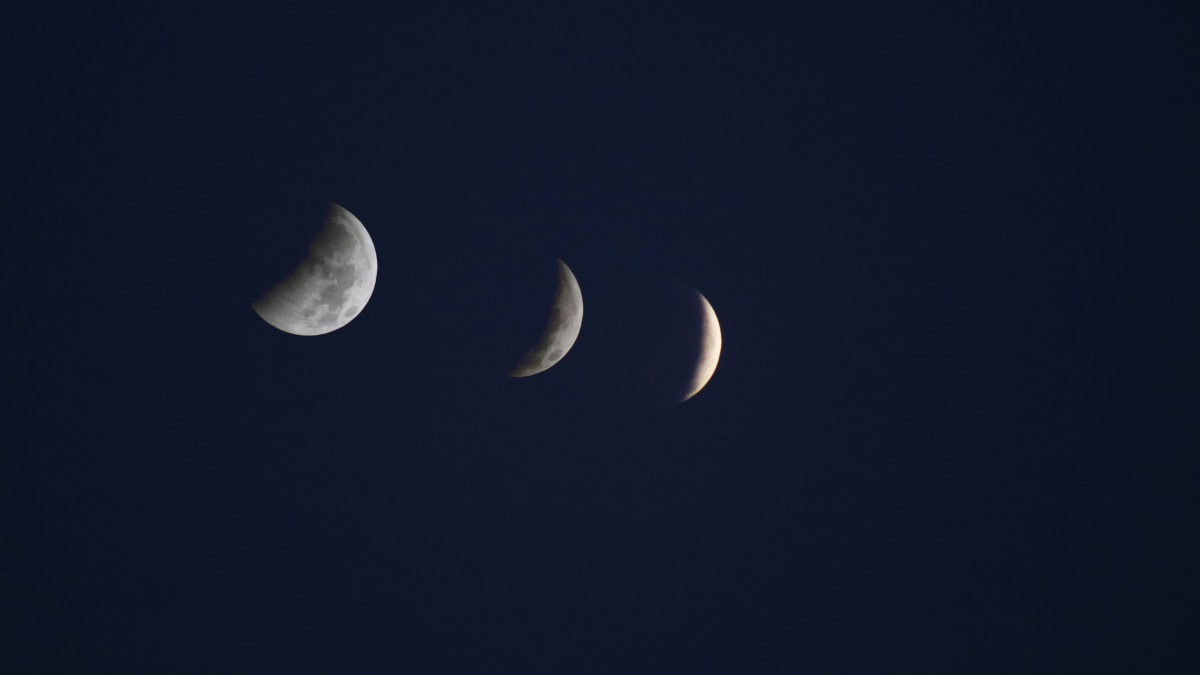
The partial lunar eclipse covered an impressive 96% of the moon's surface, leaving only a tiny silver crescent exposed to direct sunlight. As Earth passed between the sun and moon, our planet's shadow transformed the "Sturgeon Moon" into what photographers are calling an "almost blood moon."
The crimson glow came from sunlight filtering through Earth's atmosphere and bending around our planet to reach the moon's shadowed surface. This same process, called Rayleigh scattering, gives us red sunsets here on Earth.
Photographers from Hungary to Brazil documented the rare event, some racing against weather and fog to capture the moment. Kevin McCarthy in North Carolina almost missed his shot when thunderstorms rolled through, but the clouds parted just in time for him to photograph the blood-red moon.
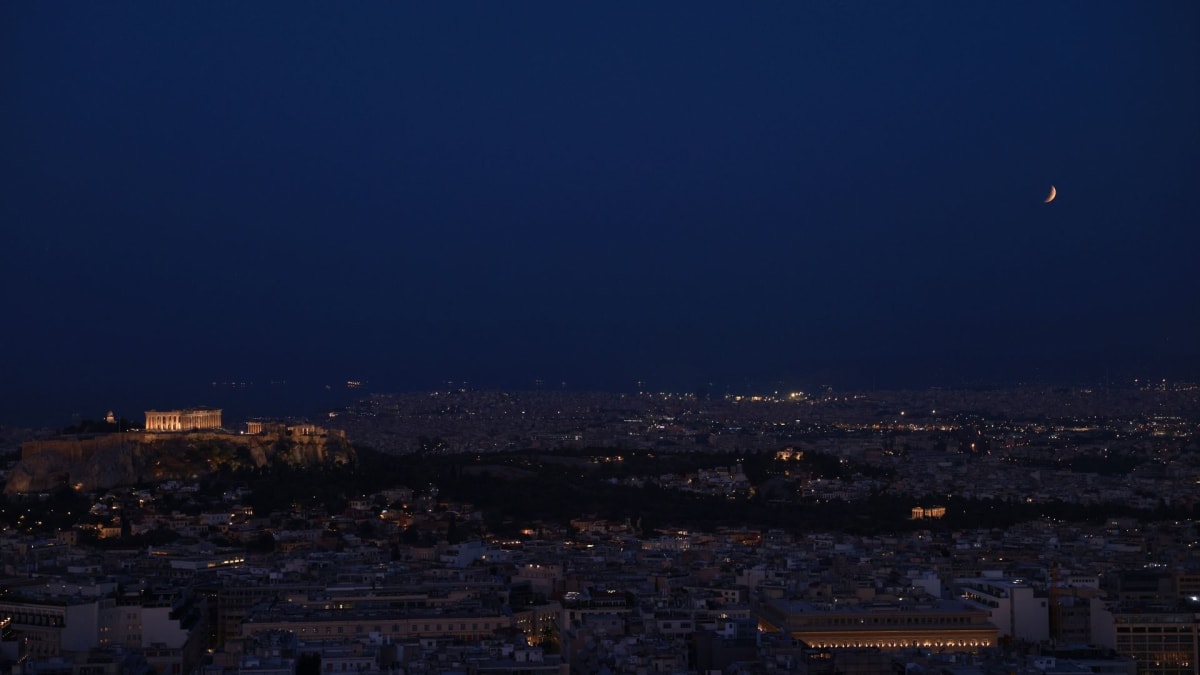
In Athens, the eclipsed moon glowed over the ancient Parthenon, creating a connection across millennia. Greek philosophers first used lunar eclipses like this one to prove Earth was round over 2,000 years ago, and the curved shadow remains visible proof today.
Josh Dury in the United Kingdom nearly gave up when fog blocked his first location. "My gut said 'move,'" he told Space.com, and he relocated just in time to catch the moon's crimson transformation.
Why This Inspires
These photos remind us that some of the most beautiful moments require patience, persistence, and looking up from our daily routines. Photographers across continents braved weather, fog, and late nights because they knew something special was coming.
The eclipse also connected people worldwide in shared wonder. While we often focus on what divides us, millions of people on multiple continents simultaneously looked at the same moon, feeling the same awe at nature's grand design.
Ancient Greeks studied these eclipses to understand our world, and modern photographers chase them for the same reason: they help us see our place in the cosmos. Earth's shadow on the moon proves we're part of something vast and beautiful.
The next lunar eclipse of this magnitude won't grace our skies until New Year's Eve 2028, when a full blood moon will be visible to 5.3 billion people. Until then, those who witnessed this "almost blood moon" can treasure their memories and photos of a night when Earth, moon, and sun aligned to create natural art.
Mark your calendars for February 6, 2027, when the moon will create a "ring of fire" solar eclipse visible across South America and West Africa.
More Images
Based on reporting by Space.com
This story was written by BrightWire based on verified news reports.
Spread the positivity!
Share this good news with someone who needs it