Althea Gibson Broke Tennis Barriers 76 Years Ago Today
On August 22, 1950, a 23-year-old from Harlem became the first Black competitor in international tennis after officials bowed to public pressure. Her neighbors had once taken up a collection to pay for her lessons.
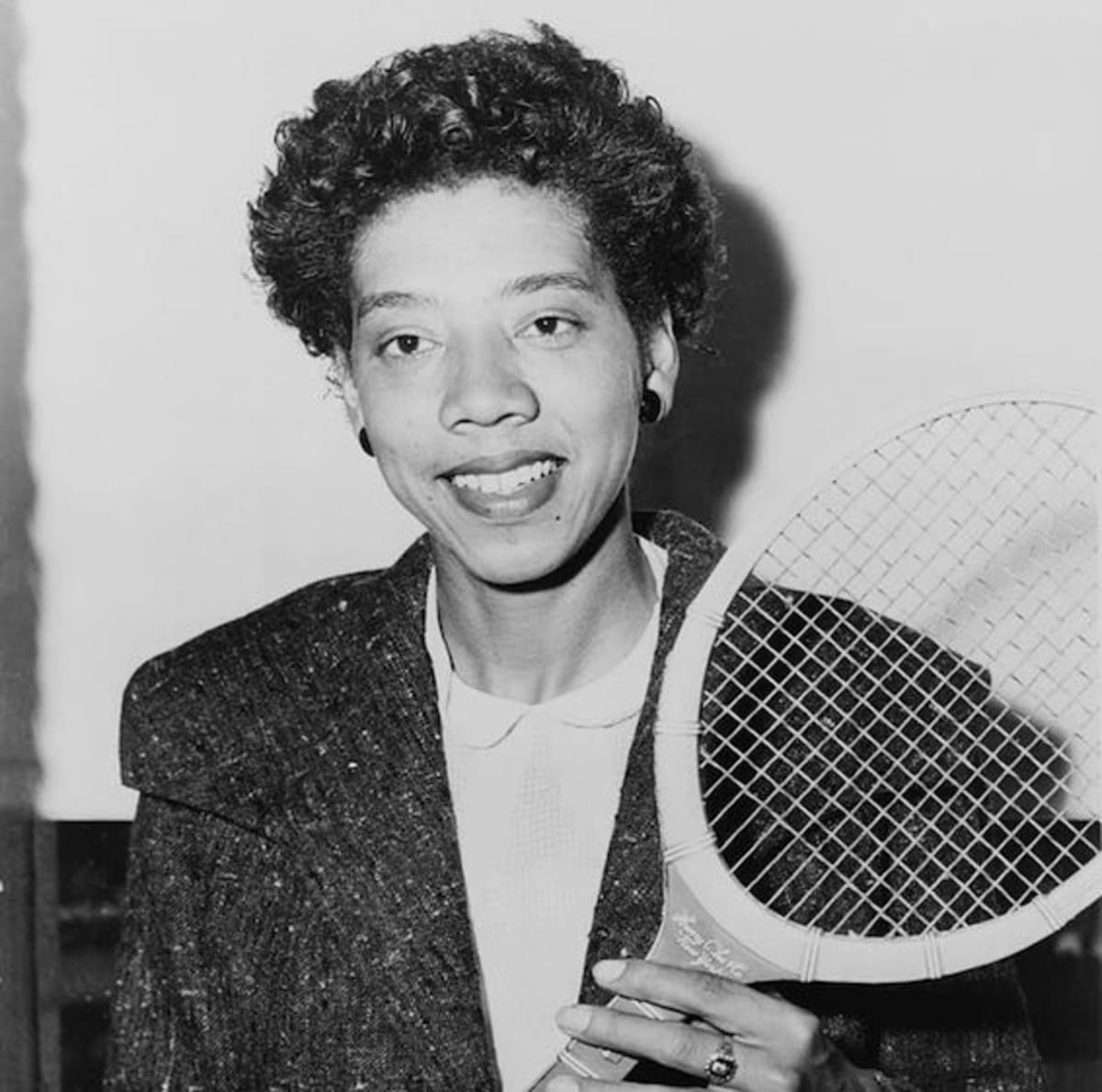
Seventy-six years ago today, Althea Gibson walked onto a tennis court that had never welcomed someone who looked like her, changing the sport forever.
Born to sharecropper parents in South Carolina, Gibson moved to Harlem at age six. Her neighbors believed in her talent so much they pooled their money to pay for tennis lessons for the young girl who would make history.
On August 22, 1950, US tennis officials finally invited the 23-year-old to compete in the National Championships, now known as the US Open. It was the first time a Black athlete had been allowed to compete in international tennis.
Gibson didn't just participate. She dominated.
In 1956, she became the first person of color to win a Grand Slam title at the French Open. The following year, she claimed both Wimbledon and the US Nationals, then won both tournaments again in 1958.
Why This Inspires
Gibson's story shows what becomes possible when communities invest in each other. Those Harlem neighbors who scraped together money for tennis lessons helped launch one of the greatest athletic careers in history.
Often compared to Jackie Robinson for breaking the color barrier in her sport, Gibson finished her career with 11 Grand Slam tournament victories. Tennis historians frequently name her among the greatest players of all time, regardless of era or background.
Her path from the daughter of sharecroppers to international champion proved that talent and determination could overcome even the most entrenched barriers. The young girl whose community believed in her became a legend who opened doors for every athlete of color who followed.
Gibson competed during an era when simply stepping onto the court was an act of courage. She responded by becoming impossible to ignore, winning so decisively that her excellence spoke louder than any prejudice.
That collection her neighbors took up in Harlem didn't just pay for tennis lessons—it invested in possibility itself.
More Images
Based on reporting by Good News Network
This story was written by BrightWire based on verified news reports.
Spread the positivity!
Share this good news with someone who needs it