Amateur Astronomers in France Discover New Comet
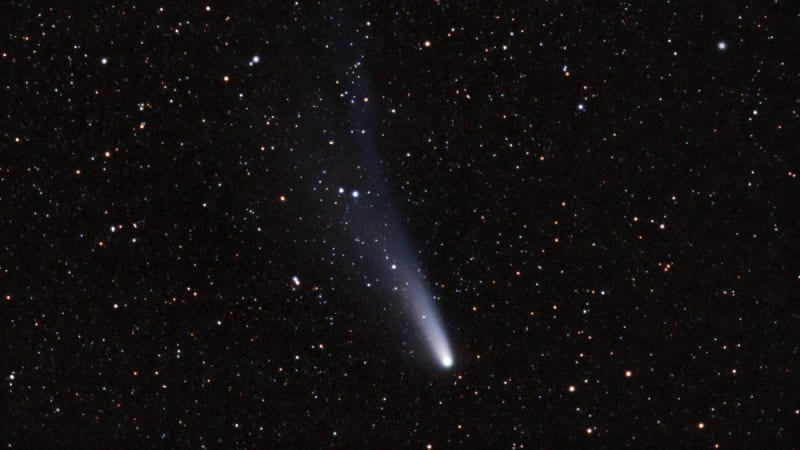
Four amateur astronomers in southern France discovered a comet heading toward the Sun 300 million kilometers away, earlier than any similar comet has been detected before. Using just four private telescopes and tracking software, they beat major space agencies to one of astronomy's most exciting finds.
A team of amateur stargazers in Antibes, France just proved you don't need a billion-dollar space program to make cosmic discoveries.
Four independent astronomers working together under the MAPS programme spotted a new comet racing toward the Sun from an incredible 300 million kilometers away. That's the earliest detection of this type of "sun-grazing" comet in history, and they did it with just four privately funded telescopes in Chile and some advanced tracking software.
The comet, originally catalogued as 6AC4721, will officially be named "MAPS" after its discoverers once the Minor Planet Center completes validation. By late March, it could be bright enough to see without a telescope as it makes its closest approach to the Sun around April 4.
What makes this discovery remarkable isn't just the comet itself. It's how a small team with limited resources outpaced institutional giants like NASA in spotting it first.
"We did better than NASA," one team member joked, though the pride behind the humor is well deserved. Their flexible, focused approach allowed them to catch something the big programs missed.
The comet belongs to the Kreutz family of sun-grazers, meaning it will either break apart or crash into the Sun. Either way, astronomers expect a spectacular light show for observers in the coming weeks.
The Ripple Effect
This discovery energizes the global amateur astronomy community, proving that passion and innovation can match institutional resources. Thousands of amateur astronomers worldwide scan the skies nightly, and this success validates their dedication and contributions to science.
The MAPS team's achievement also demonstrates how modern technology has democratized space exploration. Advanced software and remote telescope access mean groundbreaking discoveries no longer require massive budgets or official credentials.
Their early detection gives professional astronomers more time to study the comet's composition and behavior as it approaches the Sun. That extra observation window could unlock new insights into these ancient ice and rock travelers.
Astronomers confirm the comet poses zero danger to Earth, so everyone can simply enjoy the show and celebrate what four determined individuals accomplished by looking up.
More Images

Based on reporting by Google: NASA discovery
This story was written by BrightWire based on verified news reports.
Spread the positivity!
Share this good news with someone who needs it