Amazon Artists Challenge 500 Years of Colonial Myths
Indigenous artists from Amazonia are rewriting centuries of European stereotypes through a groundbreaking exhibition in Bonn that flips the colonial narrative on its head. Their work proves Indigenous cultures aren't frozen in time but thriving, evolving, and reclaiming their own stories.
Indigenous artists from across Amazonia are finally getting to tell their own story, and it's nothing like the version Europe has been selling for 500 years.
A new exhibition in Bonn, Germany, called "Amazonia. Indigenous Worlds" is dismantling tired stereotypes that painted the Amazon as an untouched wilderness and Indigenous peoples as relics of the past. Co-curated by anthropologist Leandro Varison and Brazilian Indigenous artist Denilson Baniwa, the show presents Amazonia as it really is: a vibrant cultural region spanning nine countries with over 300 living languages.
One standout piece comes from late Macuxi artist Jaider Esbell, who bought a 1972 encyclopedia claiming to show "universal" art history. The book featured nearly 400 pages of European masterpieces and zero Indigenous voices. So Esbell drew, painted, and wrote directly over every reproduction, inserting Indigenous cosmologies and pointed messages to the "Old World."
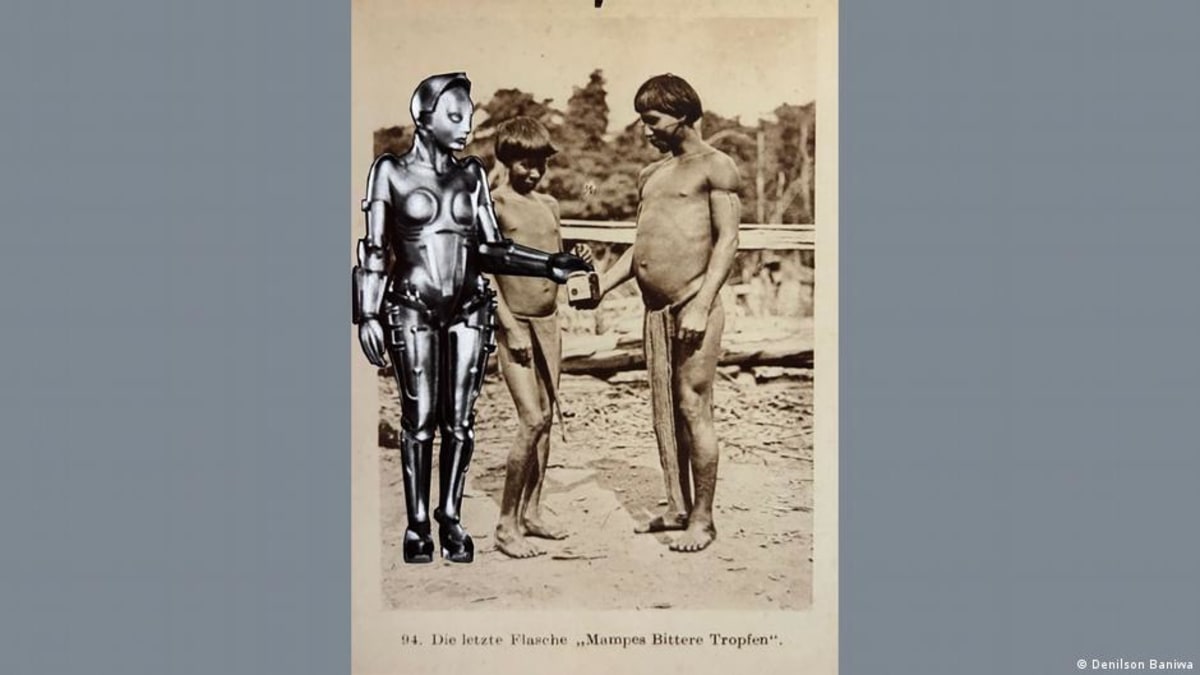
Denilson Baniwa takes a different approach in his "Hunters of Colonial Fiction" series. He inserts pop culture icons like the "Back to the Future" DeLorean, King Kong, and Godzilla into old ethnographic photographs that once exoticized Indigenous peoples. The jarring juxtapositions force viewers to question how colonial photography shaped lasting stereotypes.
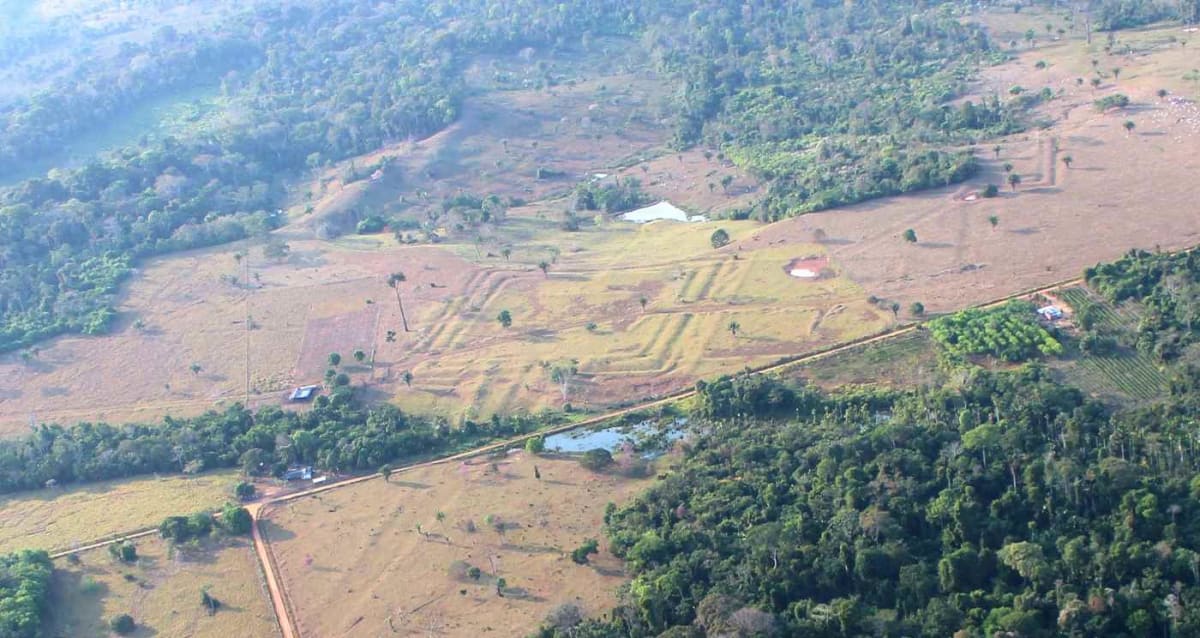
The exhibition also highlights scientific truths that counter the "untouched wilderness" myth. Before European colonization, several million people lived in Amazonia, cultivating forest gardens and developing "terra preta," a carbon-rich soil created through sophisticated agricultural practices. Indigenous communities domesticated iconic species like Brazil nuts, cacao, and acai thousands of years before Europeans arrived.
Why This Inspires
This exhibition matters because it hands the microphone back to the people who've been misrepresented for centuries. Varison challenges a persistent double standard: "If we Western people have the right to change, why shouldn't they?" Indigenous peoples using smartphones or social media doesn't mean they've "lost their culture." It means they're adapting on their own terms, just as they always have.
The show organizes exhibits according to Indigenous understandings of history, not Western museum chronology. Body painting, creation stories, and community relations all get space to breathe as living practices, not museum relics.
With over 300 languages still spoken across Amazonia (more linguistic diversity than all of Europe), these communities represent a wealth of knowledge, adaptation, and resilience. Their art isn't just beautiful. It's a correction of the historical record and a vision for the future where Indigenous voices lead the conversation about their own lives and lands.
The artists aren't asking for permission to be contemporary anymore.
Based on reporting by DW News
This story was written by BrightWire based on verified news reports.
Spread the positivity!
Share this good news with someone who needs it