Amazon Hides 24,000 Ancient Structures, Study Reveals
Researchers flying over Brazil's Amazon discovered 396 previously unknown ancient earthworks, suggesting up to 30,000 structures remain hidden beneath the forest canopy. The findings hint that millions of people once lived sustainably in the Amazon, rewriting what we know about pre-colonial civilization.
Deep in the Amazon rainforest, thousands of ancient monuments have been hiding in plain sight for over 2,000 years.
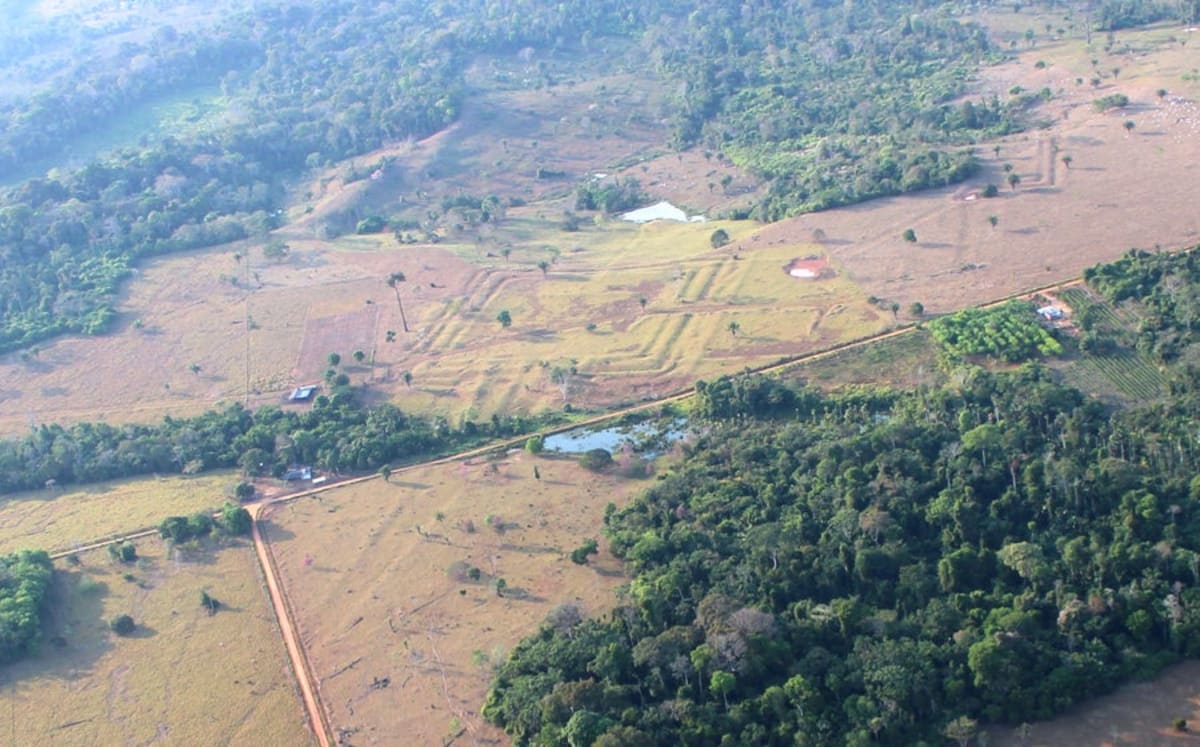
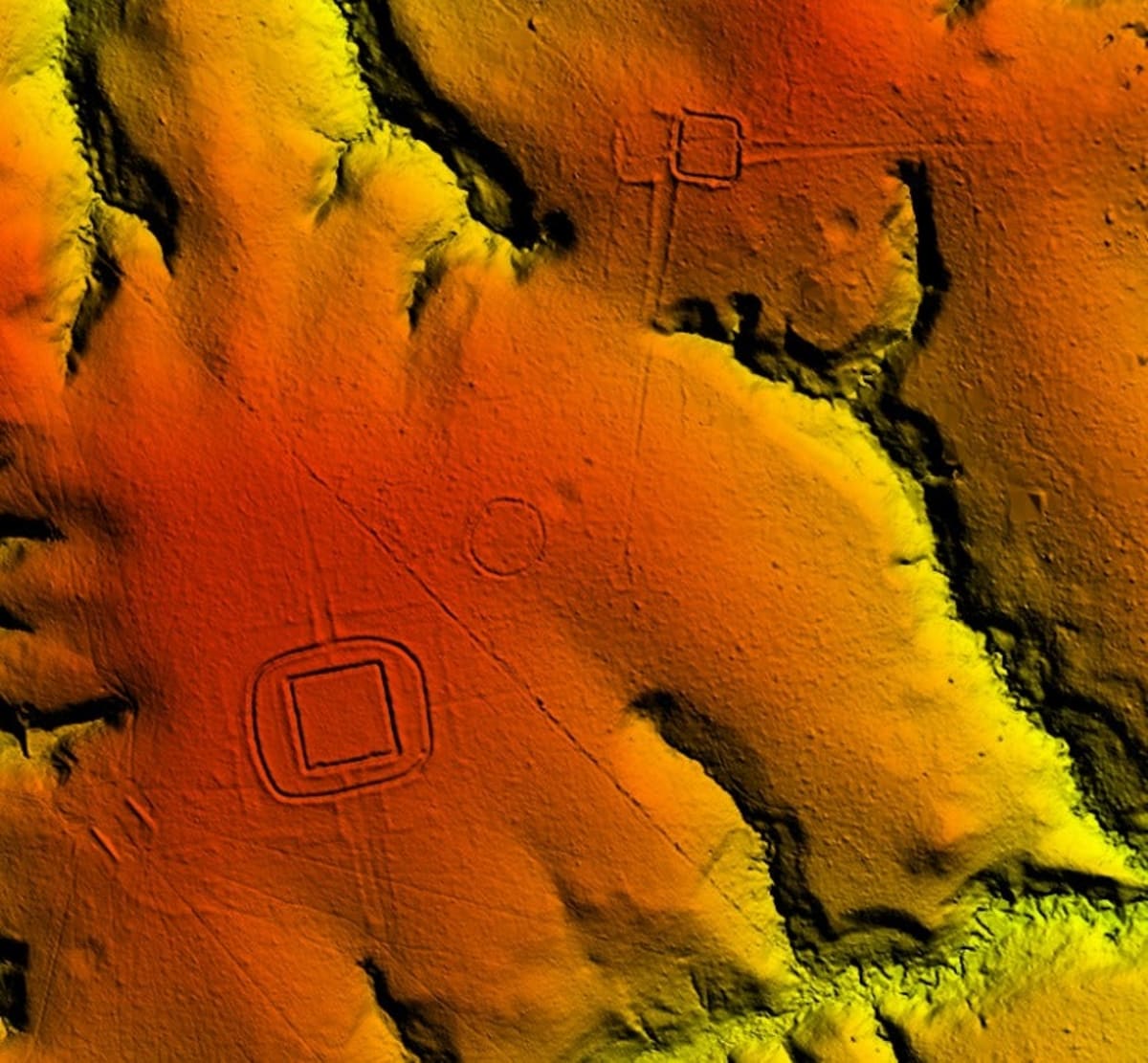
Researchers flew a plane equipped with remote sensing technology over a 1,736-square-mile region near Brazil's border with Bolivia and Peru. What they found stunned them: 396 never-before-seen earthworks dotting the landscape below.
The discovery is just the beginning. Based on what they found in this small survey area, the team estimates between 24,000 and 30,000 similar structures exist across the Southwest Amazon.
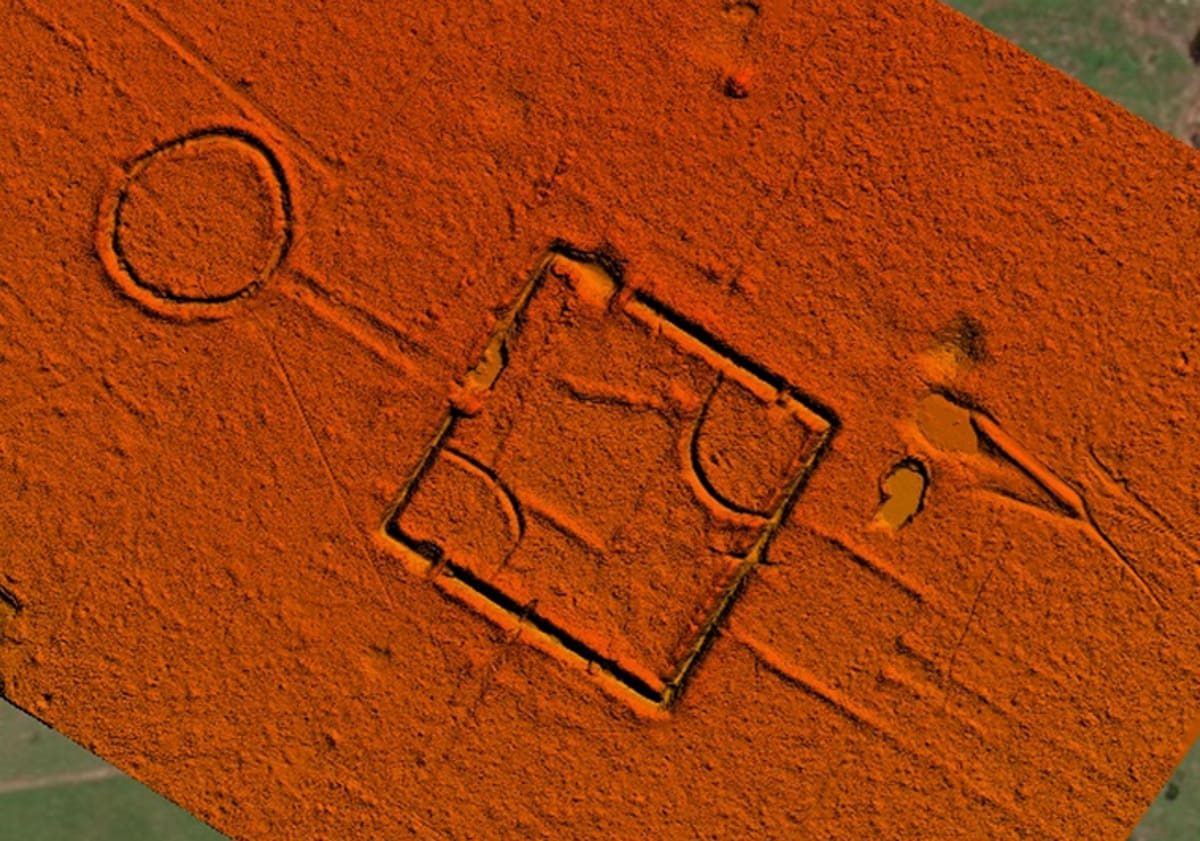
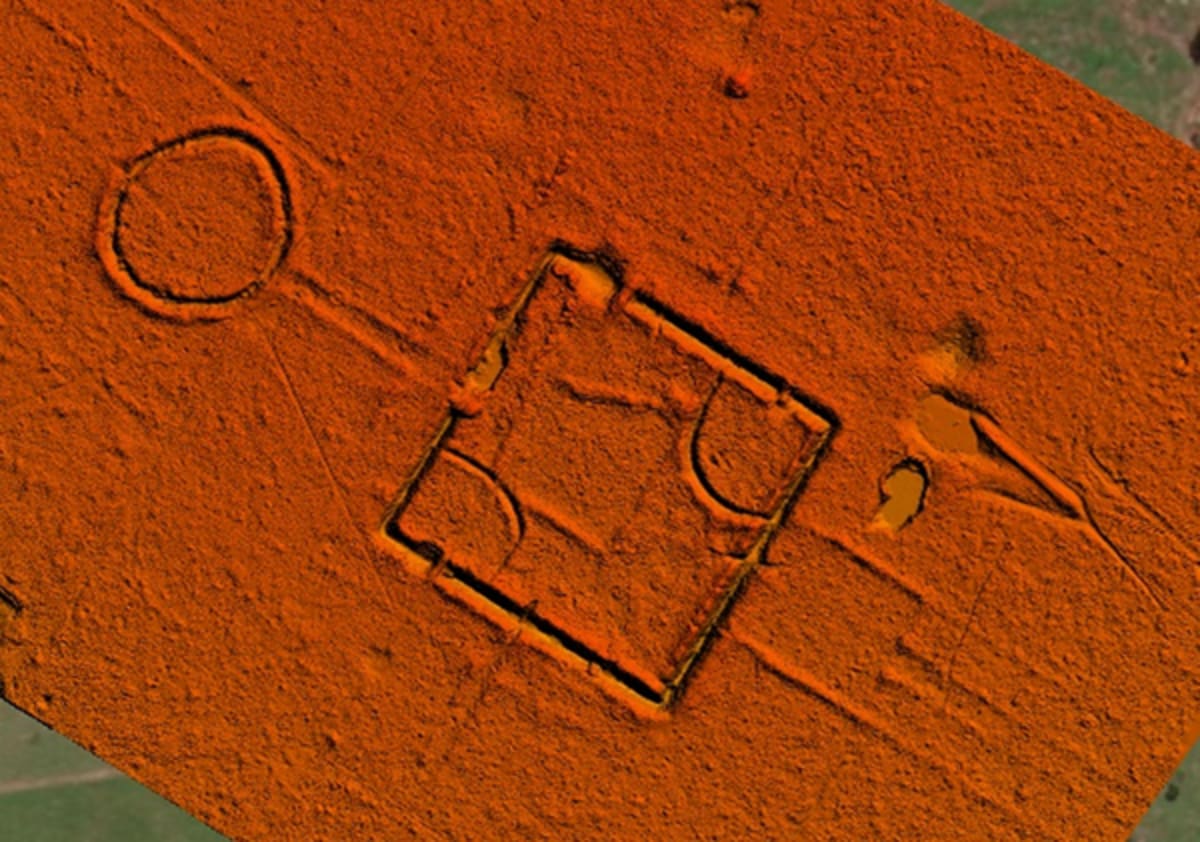
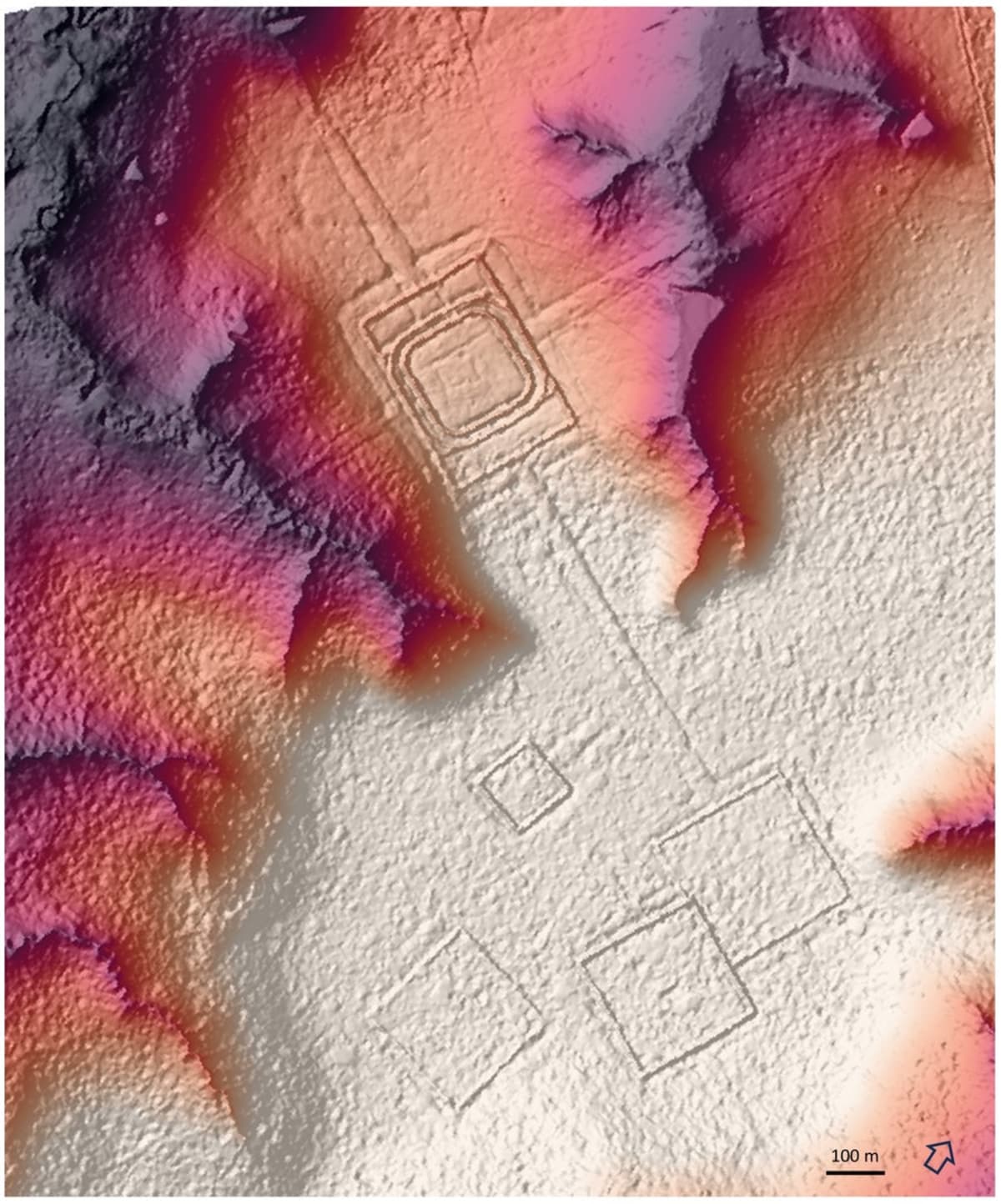
Many of these structures are geoglyphs, mysterious geometric designs carved into the earth that can stretch several football fields wide. They're the signature of the Aquiry civilization, which thrived in the Amazon from 600 B.C.E. to C.E. 850.
"We were surprised that we found about 10 times more of the geoglyphs than we ever thought," says Martti Pärssinen, lead author of the study published in Nature. Archaeologists believe the structures served ceremonial purposes, possibly hosting festivals and cultural gatherings.
The numbers tell an even bigger story. Based on the density and spread of these sites, the Aquiry population may have reached three million people at its peak around C.E. 300, spanning an area roughly the size of North Dakota.
Here's what makes this discovery remarkable: The team surveyed less than 3 percent of the entire Amazon. If other regions show similar population densities, the pre-colonial Amazon could have supported tens of millions of people.
Why This Inspires
For decades, many believed the Amazon was largely untouched wilderness before European colonization. This discovery flips that narrative, revealing a thriving civilization that shaped the landscape while living in harmony with it.
Archaeological evidence suggests these ancient communities managed the forest sustainably even while building thousands of monumental structures. Today, with 17 percent of the Amazon completely deforested and another third damaged by human activity, we're falling short of what our ancestors achieved.
"We could learn something about how they managed the forest in the past," Pärssinen says. The geoglyphs stand as proof that humans can live alongside nature, not against it.
The discovery reminds us that innovation and environmental stewardship aren't opposing forces. Ancient Amazonians built a civilization that lasted over 1,400 years without destroying the ecosystem that sustained them.
More Images
Based on reporting by Scientific American
This story was written by BrightWire based on verified news reports.
Spread the positivity!
Share this good news with someone who needs it
%2Fhttps%3A%2F%2Ftf-cmsv2-smithsonianmag-media.s3.amazonaws.com%2Ffiler_public%2F75%2F34%2F75342ac4-0f4b-4563-a63d-3012f0feae31%2Fgettyimages-2293659629.jpg)
%2Fhttps%3A%2F%2Ftf-cmsv2-smithsonianmag-media.s3.amazonaws.com%2Ffiler_public%2Fef%2F5b%2Fef5b9055-962e-483d-b70c-ed912c2a6481%2Fviikinkaikainen_rahakatko.jpeg)