Amazon Potter Doña Oscarina Changed Climate Research
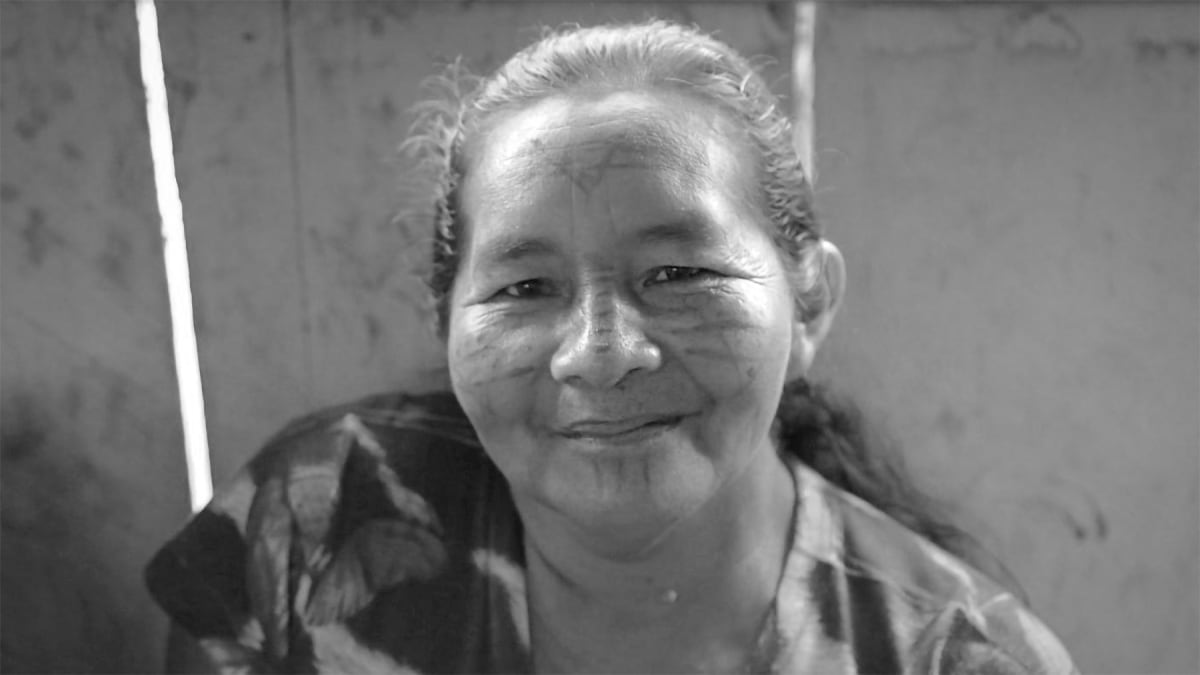
Before her death in July, Brazilian ceramicist Doña Oscarina became the first woman environmental researcher on the Tiquié River, proving that Indigenous women's farming knowledge is essential to understanding climate change. Her work documenting 18 cassava varieties, crop cycles, and traditional practices transformed how scientists approach environmental monitoring in the Amazon.
A master potter in Brazil's Amazon knew something that climate researchers were missing: women see different parts of the story.
Doña Oscarina Caldas Azevedo grew up beside the Tiquié River in the upper Rio Negro region, learning to make ceramics the traditional way. Before taking clay from the earth, she would ask permission from Di'i Mahso, Grandmother Clay, who first taught women the craft. The ritual wasn't just tradition—it reflected a deep understanding of how humans should interact with the environment.
Born in 1967, Oscarina mastered pottery techniques passed down through generations of Desana women. She taught younger women how to find clay, shape cooking vessels, and fire them properly. She contributed to a book documenting ceramic traditions and led teaching exchanges between Indigenous women across the Brazil-Colombia border.
But Oscarina noticed something troubling. Environmental researchers documenting climate change in the Amazon were mostly men, and they were missing crucial information.
In 2016, she joined the network of Indigenous Environmental Management Agents on the Tiquié River. For a long time, she was the only woman. She argued her case patiently but firmly: men and women work in different places and notice different things. Without women's observations from fields, gardens, and food preparation, monitoring networks captured only half the picture.
Her presence changed everything. Oscarina and her husband Rafael began recording crop cycles, rainfall, river levels, and community labor in detailed diaries. She documented 18 varieties of cassava, understanding how each responded to soil, weather, and care. In one entry, she described cassava flowers attracting bees, then documented the smoke and heat of burning a plot. Personal love and scientific observation flowed together.
Oscarina treated cassava as a living presence that prospered when cared for and suffered when neglected. Soil preparation, ritual blessing, plant health, and food processing formed one interconnected system. Her authority came from decades of observing these relationships.
The Ripple Effect
Her work reached far beyond the Tiquié River. Oscarina visited the Ethnological Museum in Berlin, the Royal Botanic Gardens at Kew, and the British Museum. She spoke at international forums on climate change, always emphasizing that Indigenous women's agricultural knowledge wasn't supplementary information—it was essential evidence.
Colleagues remembered her as a diplomat who moved easily between cultures while remaining direct about her beliefs. She explained complex ideas without making anyone feel foolish. Friends recalled her humor, generosity, and fierce commitment to social justice.
Oscarina wanted young people to continue expanding this knowledge, not just preserving it. She published in research journals and trained the next generation of Indigenous researchers. When she died on July 4th in her home community of Cunuri, she left behind a transformed understanding of how environmental science should work.
Her legacy proves that the best climate research listens to the people who have been carefully watching the land for generations.
More Images

Based on reporting by Mongabay
This story was written by BrightWire based on verified news reports.
Spread the positivity!
Share this good news with someone who needs it