Amazon Rainforest Generates $10B in Rainfall Every Year
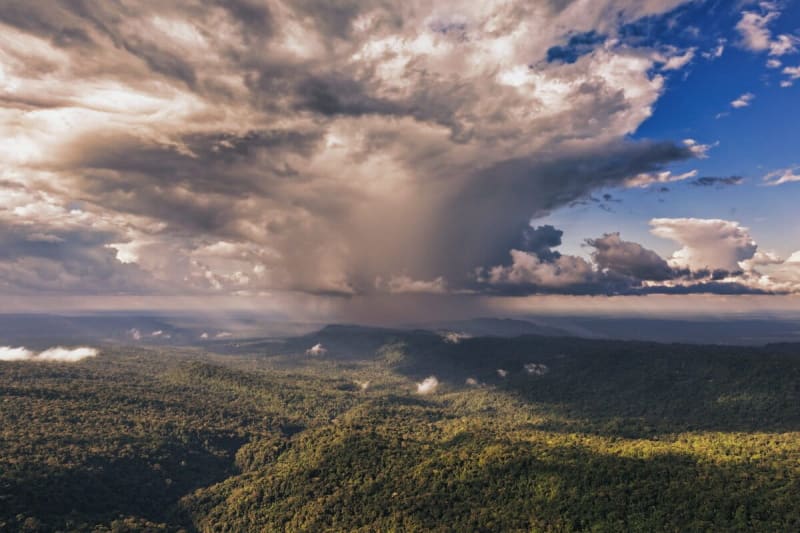
Scientists have proven that tropical forests actively create rain, not just receive it. The Amazon alone produces tens of billions of dollars worth of rainfall that feeds farms and cities thousands of miles away.
The rain that falls on your crops might have started in a forest hundreds of miles away. Scientists just proved that tropical forests are massive rainfall generators, pumping hundreds of liters of water into the sky with every square meter of trees.
A new study published in Communications Earth & Environment reveals something extraordinary. Each square meter of Amazon rainforest produces roughly 300 liters of rainfall annually across surrounding regions. That's enough water to fill a bathtub, multiplied by every square meter of forest.
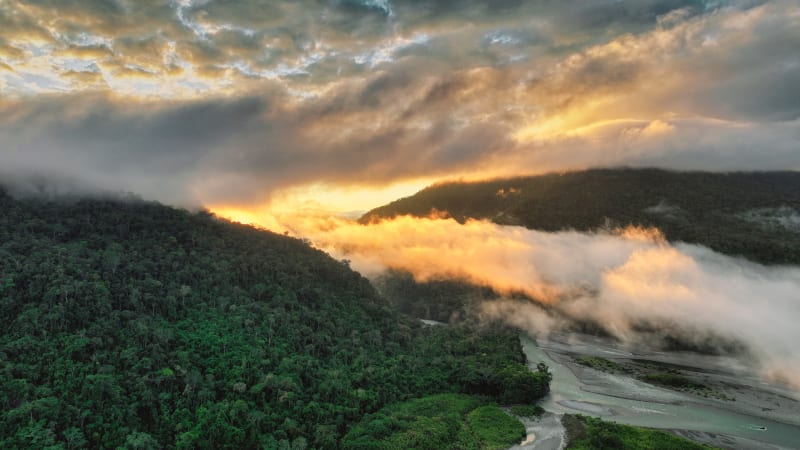
The process works like nature's own irrigation system. Trees pull water from deep soil and release it through their leaves into the atmosphere. This moisture travels on wind currents, sometimes crossing thousands of kilometers before falling as rain on farmland, cities, and rivers far downstream.
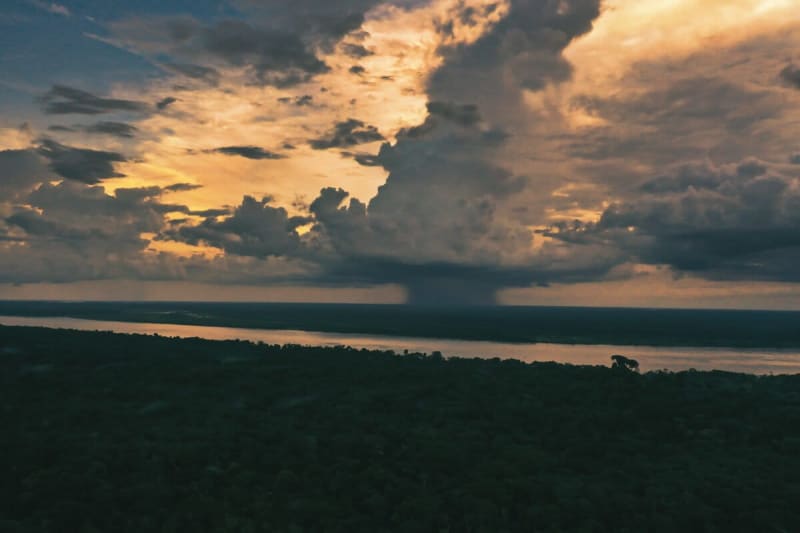
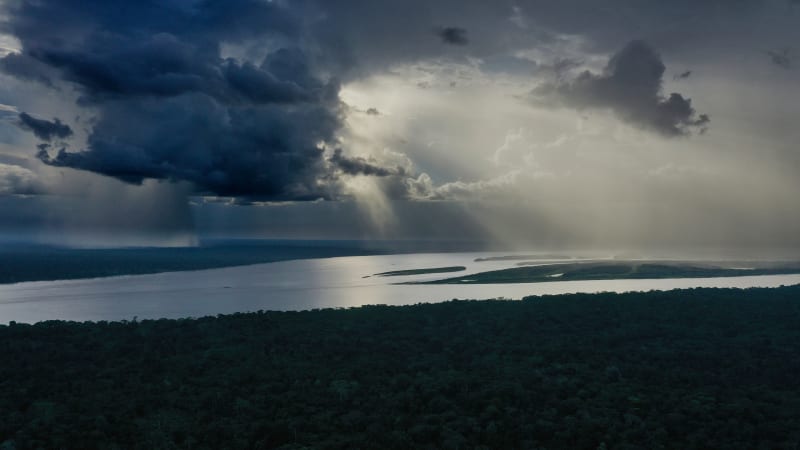
Brazilian scientists call these invisible flows "flying rivers." They're just as real as the Amazon River below, carrying water across the continent through the sky. About three-fifths of all rain that falls on land originally comes from plants, not oceans.
The numbers get more dramatic when you zoom out. Removing just one square kilometer of tropical forest reduces regional rainfall by hundreds of millions of liters each year. In some parts of Brazil, losing just a few percent of forest cover has cut dry-season rainfall by five percent.
Farms depend on this system more than most people realize. Clearing forest creates cropland, but those same crops need rain generated by the forests nearby. For some crops, the forest area needed to produce enough rainfall is actually larger than the farm itself.
Hydropower plants face the same challenge. Dams across the Amazon were built expecting certain rainfall levels, but if surrounding forests disappear, rivers could shrink dramatically. Some projections show electricity generation could plummet if deforestation continues.
The Ripple Effect
Researchers calculated the monetary value of forest-generated rainfall in the Amazon at tens of billions of dollars annually. That makes rainfall one of the forest's most valuable exports, rivaling timber and agriculture combined.
This discovery changes how we think about forest conservation. Protecting trees isn't just about carbon storage or wildlife anymore. Forests function as continental-scale water infrastructure that can't be replaced with pipes or pumps once it's gone.
Cities and farms relying on steady rainfall may depend on forests they've never seen, located in different regions or even different countries. When those forests fall, the rain stops flowing through the sky, and everyone downstream feels the impact.
The good news is that intact forests keep working automatically, moving water across continents without any human intervention or maintenance costs. Every standing tree is a pump in the world's largest irrigation system, one that supports food security and energy systems for millions of people.
Protecting forests now means protecting the rain of the future.
More Images

Based on reporting by Mongabay
This story was written by BrightWire based on verified news reports.
Spread the positivity!
Share this good news with someone who needs it