Amazon Robots Now Understand Human Speech in Warehouses
Amazon's warehouse robots can now take natural-language commands from workers, no programming required. The company is investing $11.6 billion to expand these smart assistants across Europe while hiring 25,000 new employees.
Imagine asking a robot to move heavy packages across a warehouse just by talking to it like a coworker. That future arrived this week at Amazon facilities.
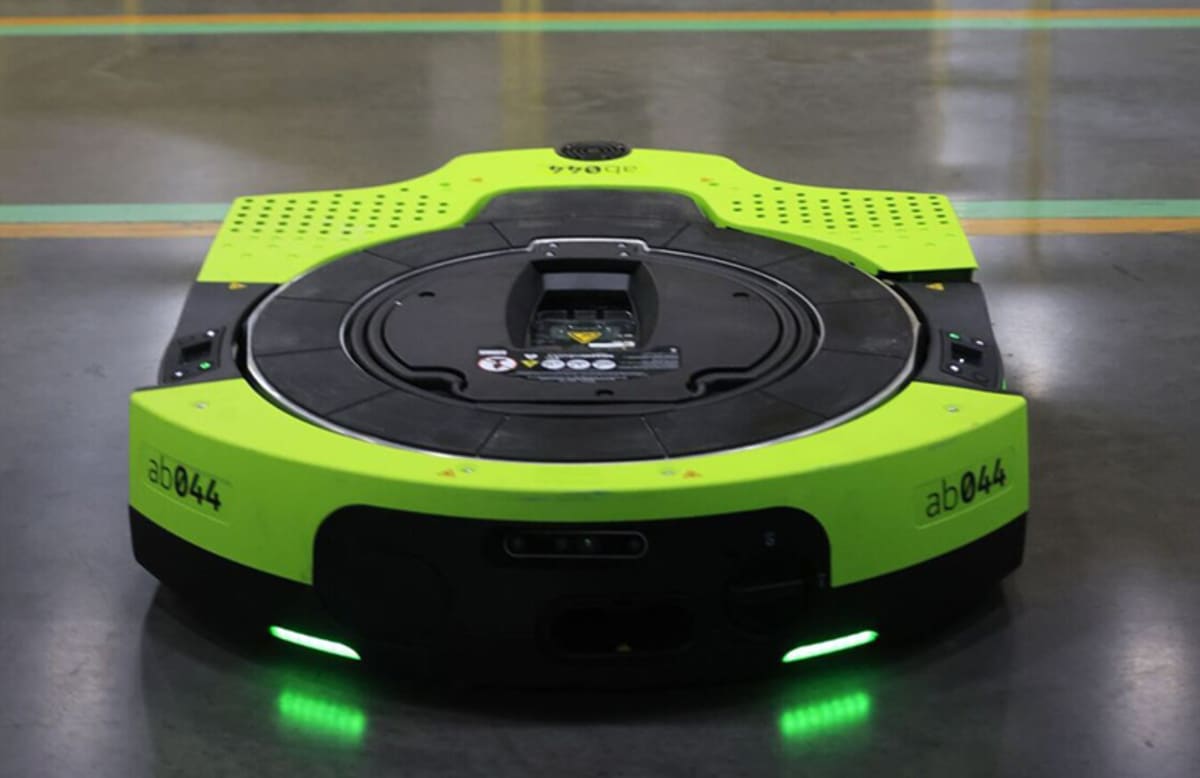
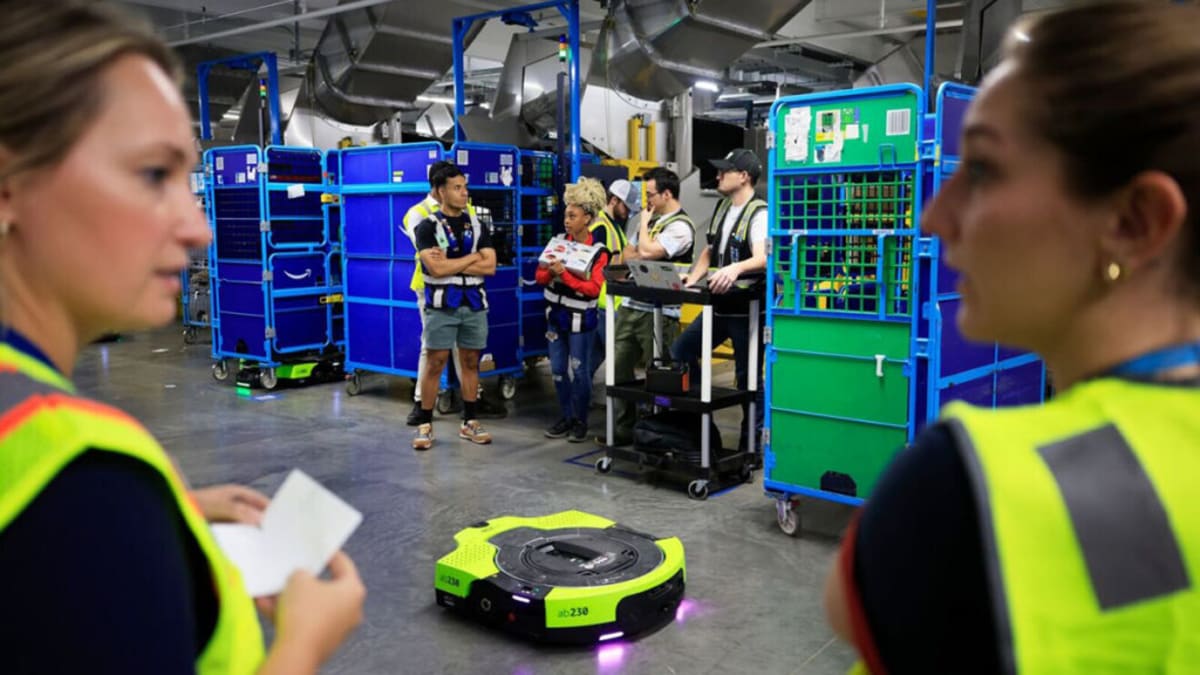
The retail giant unveiled major upgrades to Proteus, its autonomous mobile robot that can now understand everyday speech. Workers simply tell it what needs moving, and the robot figures out the route, timing, and priorities on its own.
"You tell it what needs to be done. It figures out the priority, the route, the timing," said Scott Dresser, vice president of Amazon Robotics. "It becomes your assistant for material movement."
Proteus already operates at 24 fulfillment centers across the United States, hauling carts weighing up to 880 pounds. The AI upgrade means warehouse employees no longer need technical training to direct these mechanical helpers.
Amazon plans to roll out the voice-enabled Proteus across Europe in early 2025. The company is backing this expansion with an $11.6 billion investment in European operations over the next few years.
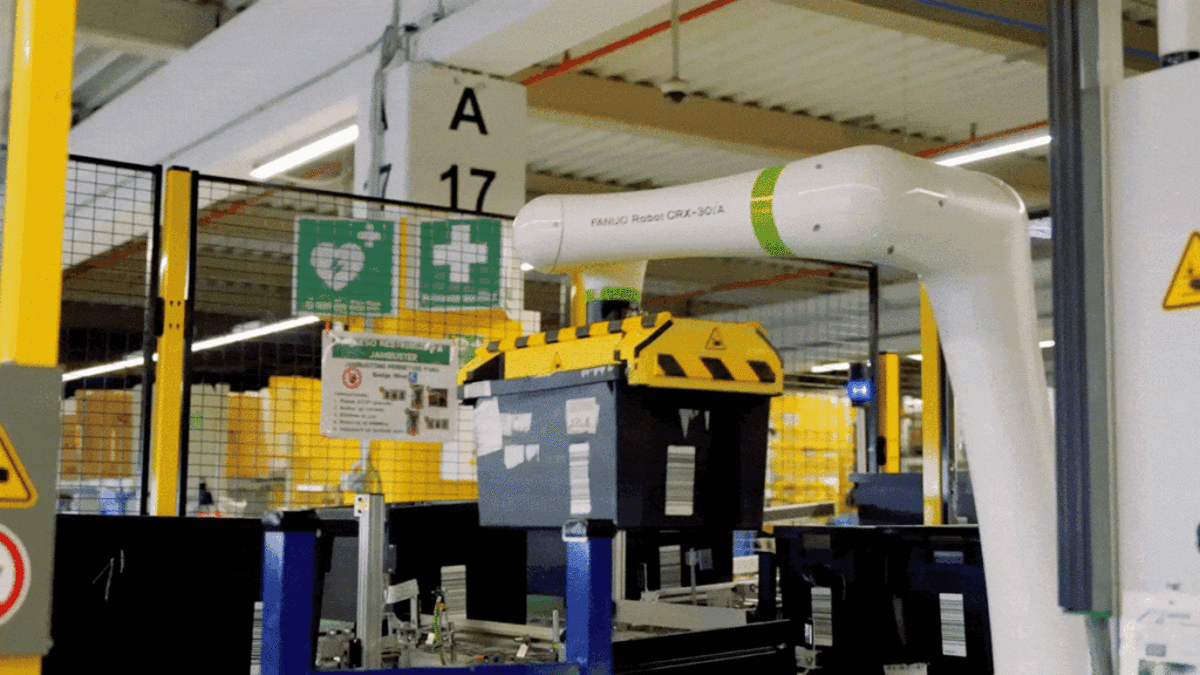
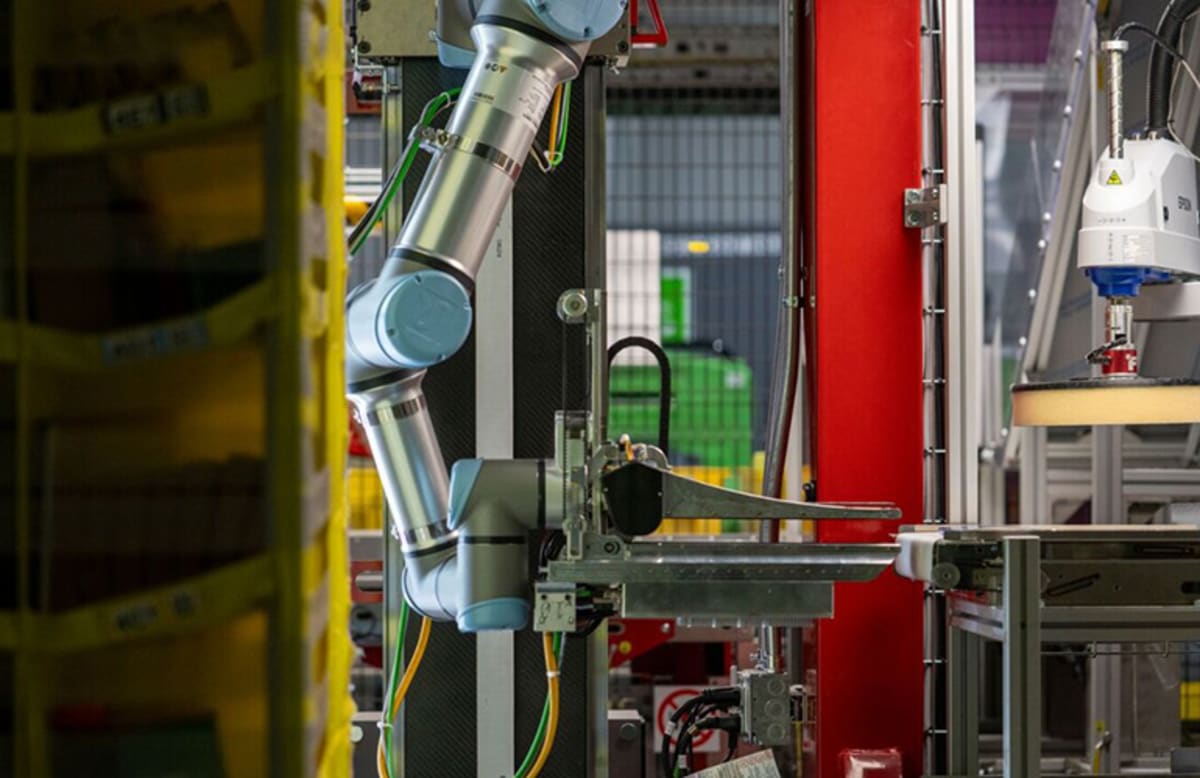
Two other robots are joining the European workforce too. STARK uses a collaborative robotic arm to lift heavy totes, taking strain off human workers. Vulcan represents Amazon's first robot with both vision and touch, letting it navigate packed shelves without damaging products.
The Ripple Effect
Amazon's robotics expansion tells a surprising story about automation and jobs. While the company has deployed over one million robots worldwide, it has also hired hundreds of thousands of people during the same period.
The robots handle the heavy lifting and repetitive tasks. This frees up human workers for roles requiring judgment and skill, like managing inventory flow and quality control.
Amazon is hiring 25,000 additional employees in Europe as part of this modernization push. The company says robotics has created entirely new career paths in maintenance, engineering, and reliability.
The STARK system actually originated from a warehouse worker's idea to improve safety and efficiency. Now that employee suggestion is spreading to 15 European sites by 2027.
Europe has become the testing ground for Amazon's next generation of workplace technology. The combination of smarter robots and growing human teams shows how automation can complement rather than replace workers when thoughtfully deployed.
"Europe is at the center of how we're building our operations for the future," Dresser said. The robots that listen are learning to work alongside people who talk.
More Images
Based on reporting by The Robot Report
This story was written by BrightWire based on verified news reports.
Spread the positivity!
Share this good news with someone who needs it