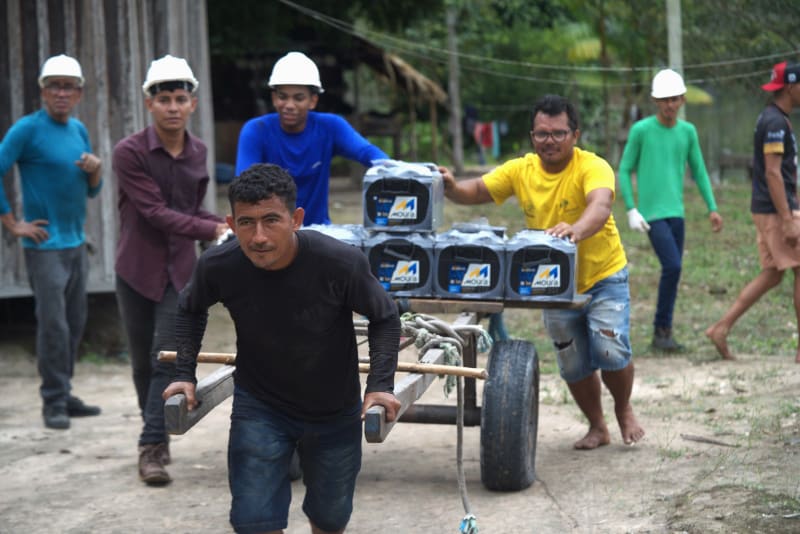
Amazon Villages Power Homes With Solar and River Turbines
Three Brazilian communities bypassed a broken promise from a mega-dam and built their own 24-hour electricity systems using solar panels and river turbines. The project offers a blueprint for nearly a million Amazon residents still living without power.
While energy from Brazil's fourth-largest hydroelectric dam flows to distant cities, communities living in its shadow built their own solution to soaring electricity costs and frequent blackouts.
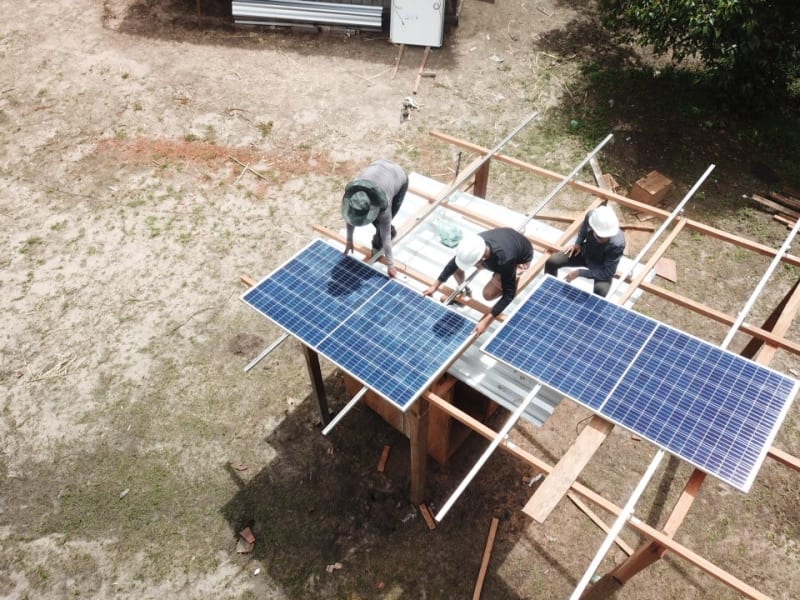
Three riverside villages in the Tapajós-Arapiuns Reserve near Santarém now run on solar panels combined with innovative river turbines that spin slowly enough to protect fish while generating constant power. The pilot project, launched in 2023, brought 24-hour electricity to families who had relied on expensive diesel generators or paid some of the highest power bills in Brazil.
The story highlights a painful irony. When Brazil approved the Belo Monte hydroelectric complex in 2016, officials promised cheap, clean energy for nearby communities. Instead, 86.8% of surveyed families near the dam saw their electricity costs increase, with some paying nearly $300 monthly compared to $57 in São Paulo, despite living next to transmission lines.
"That energy goes to São Paulo and Rio, it never passes through the Amazonian communities," said Emilio Moran, a social anthropologist from Michigan State University who led research on the project. His team found that cheaper energy was the main reason locals supported the dam, yet nearly a decade later, that promise remains broken.
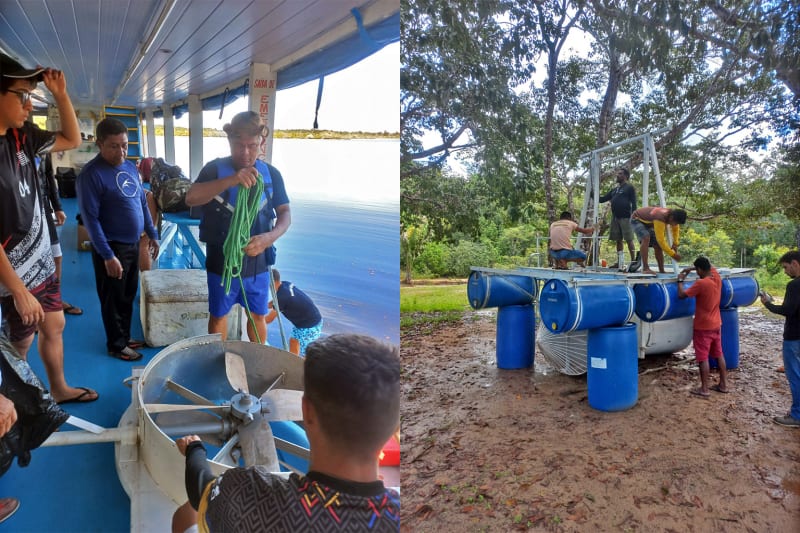
The independent energy networks emerged from years of studying this failure. Researchers from the Federal University of Western Pará partnered with Michigan State to design turbines that local engineering students could build with a regional manufacturer, creating jobs while solving the energy crisis.
The system integrates solar power for daytime needs with hydrokinetic turbines that harness river currents around the clock. The turbines use specialized filters and slow-rotation grids that generate electricity without harming aquatic life, addressing environmental concerns that plague traditional dams.
The Ripple Effect
The success matters beyond these three villages. Nearly 990,000 people across the Brazilian Amazon still lack electricity, with 19% living on Indigenous lands. Government subsidies for diesel generators cost taxpayers $2.5 billion annually while pumping 1.6 million tons of CO₂ into the atmosphere.
"The idea is exactly that: we bring energy to contribute to improving the quality of life of these communities," said Lázaro Santos, a renewable energy professor coordinating the project. The model proves communities don't need mega-dams to access reliable, affordable power.
The pilot's integrated approach combines two renewable sources to ensure continuous electricity regardless of weather. Cloudy days don't stop the river turbines, and nighttime doesn't stop the batteries charged by daytime solar collection.
Communities that once paid crushing electricity bills or burned diesel fuel now control their own energy destiny, proving sustainable solutions can emerge from the ground up when top-down promises fail.
More Images
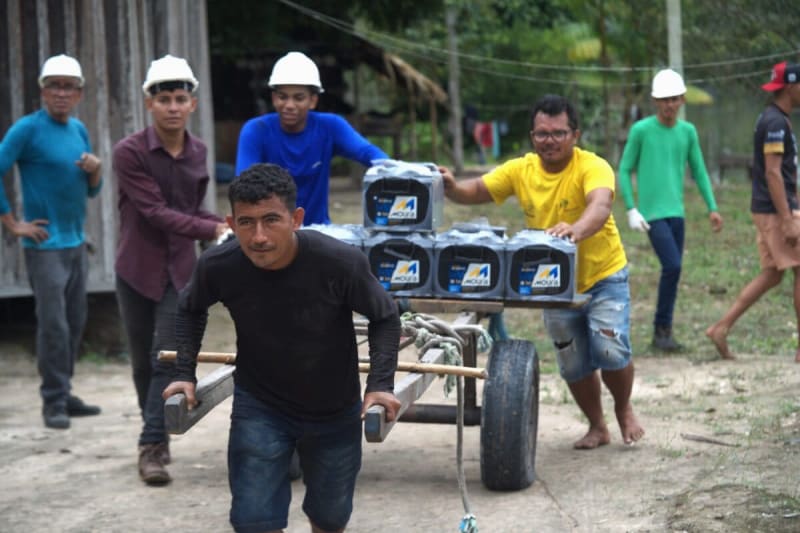

Based on reporting by Mongabay
This story was written by BrightWire based on verified news reports.
Spread the positivity!
Share this good news with someone who needs it