Amazon's Zoox Robotaxis Expand to Austin and Miami
Self-driving robotaxis with no steering wheel are rolling into two new cities this year. Amazon's Zoox is quadrupling its service area while making rides smoother and smarter.
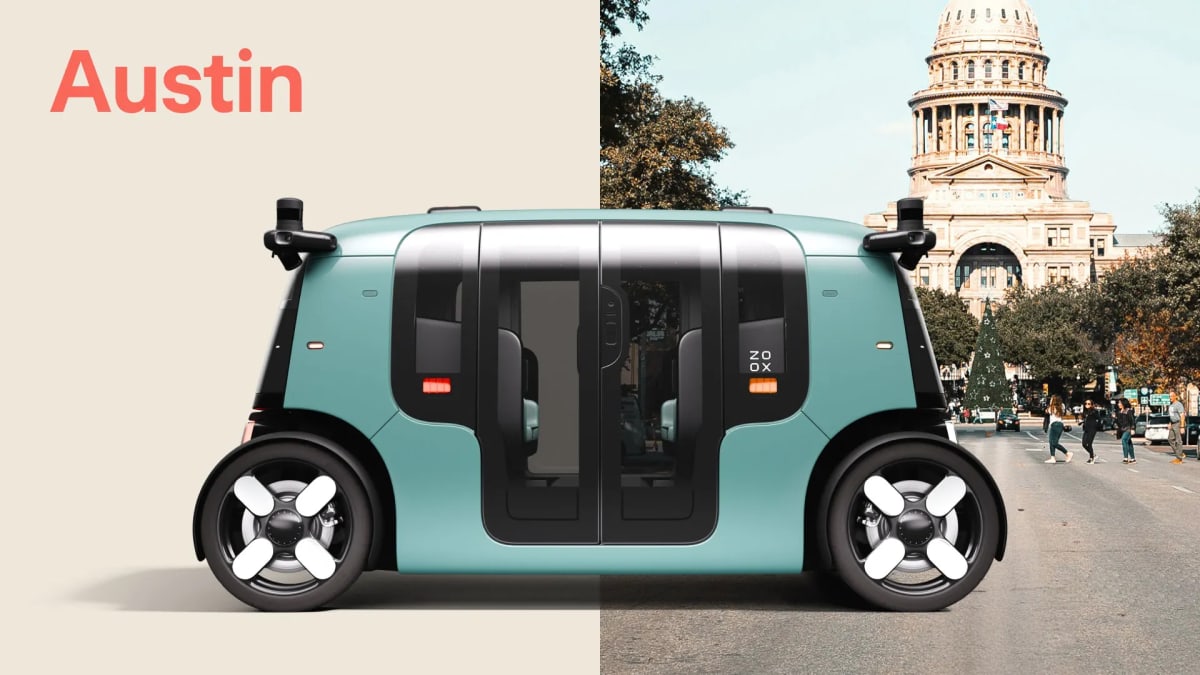
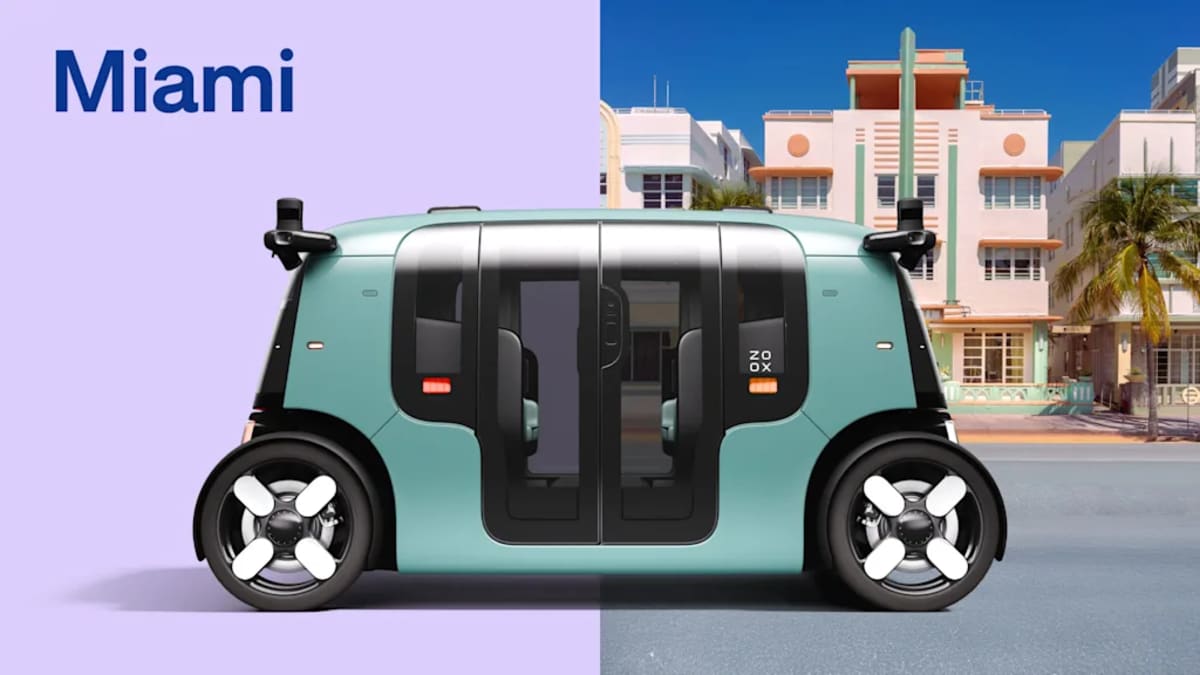
Imagine stepping into a car with no driver's seat, just cozy inward-facing seats, and gliding through the city in complete comfort. That future is expanding to Austin and Miami later this year as Amazon-owned Zoox brings its futuristic robotaxis to new cities.
The autonomous vehicle company announced it will launch operations in both cities while dramatically growing its presence in Las Vegas and San Francisco. In Vegas, riders can now reach more of the Strip, with service coming soon to the Sphere, T-Mobile Arena, and the airport.
San Francisco is getting the biggest upgrade. Zoox is quadrupling its service area this spring to include popular neighborhoods like the Marina, North Beach, Chinatown, and Pacific Heights, plus the scenic Embarcadero waterfront.
The expansion isn't just about geography. Zoox has upgraded its technology with new machine learning models that deliver smoother rides and more accurate arrival predictions.
"In San Francisco, our new geofence includes steeper hills, more dense traffic, places where you have to make more assertive lane changes," says cofounder and CTO Jesse Levinson. The vehicles can now handle fog and rain, which will prove essential in Miami's tropical climate.
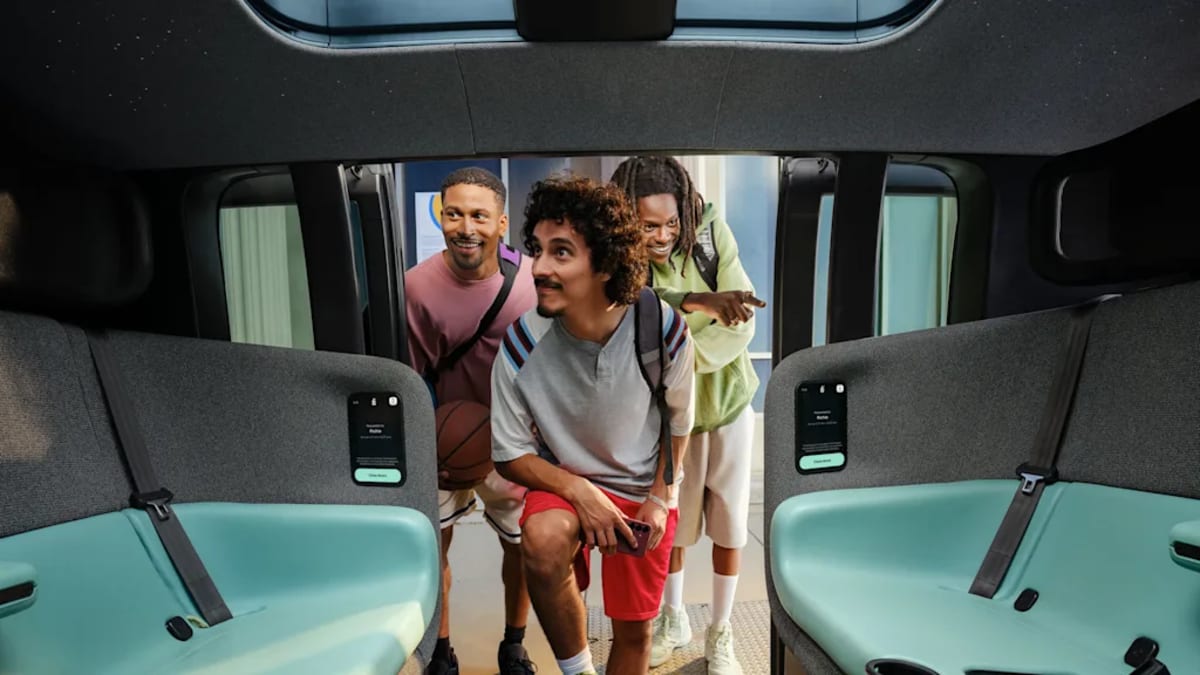
The company's whimsically designed electric vehicles look nothing like traditional cars. With inward-facing seats and no steering wheel or driver's seat at all, they offer a glimpse of transportation's future.
The Ripple Effect
Right now, Zoox operates about 100 prototype vehicles offering free rides under a special regulatory exemption. But that's about to change dramatically.
The company plans to start mass production at its Hayward, California plant later this year. Once running at full capacity, the facility will produce three vehicles per hour, enabling Zoox to scale up significantly and eventually compete with rivals like Waymo, which already operates over 2,500 automated vehicles.
The expansion represents more than just technological achievement. It's a step toward transforming how we think about urban transportation, making cities more accessible while reducing traffic congestion and emissions.
As self-driving technology becomes more capable and more cities open their streets to robotaxis, the vision of safe, convenient, driverless transportation is shifting from science fiction to everyday reality.
More Images
Based on reporting by Fast Company - Innovation
This story was written by BrightWire based on verified news reports.
Spread the positivity!
Share this good news with someone who needs it