Americans Unite: 70% Back Stronger Food Safety Rules
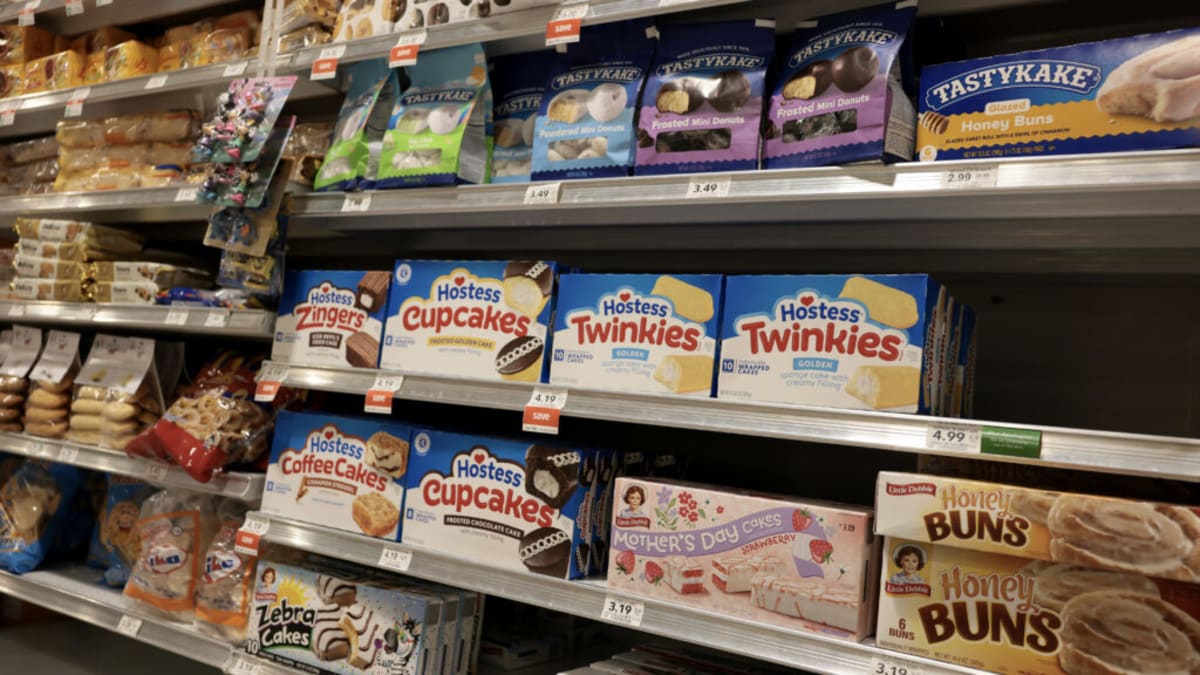
Democrats, Republicans, and independents agree on something surprising: ultra-processed foods need regulation. A new research collection shows bipartisan support for food safety reforms could finally spark real change.
In an era when Americans seem divided on everything, voters across the political spectrum just found common ground in an unexpected place: the grocery store.
A groundbreaking survey of 2,000 U.S. adults reveals that overwhelming majorities of Democrats, Republicans, and independents agree that ultra-processed foods contribute to obesity, diabetes, and heart disease. Even more striking, voters from all parties support government action like testing additives before they reach store shelves, banning artificial dyes, and requiring warning labels on packaging.
"In this polarized era where Americans disagree on so much, this is actually something where we're seeing a lot of agreement," said Lindsey Smith Taillie, a nutrition researcher at UNC Gillings School of Public Health. The findings appear in a special edition of the American Journal of Public Health featuring 17 research articles on food policy.
The research delivers practical solutions alongside the data. Experts point to 22 states that already restrict purchasing soda and candy with food benefits, suggesting those resources could instead subsidize local farmers growing fresh produce. When asked about redirecting corn subsidies to fruit production, researchers responded with enthusiastic agreement.
States are already taking action. Multiple legislatures have passed bills cracking down on ultra-processed foods, creating momentum for broader change. Legal experts suggest lawsuits from state and local attorneys general could accelerate progress, similar to successful cases against tobacco companies.
The research collection includes eye-opening historical findings too. One study uncovered how tobacco giant Philip Morris applied cigarette-making techniques to develop Lunchables in the 1980s and 1990s, using flavor-enhancing technology from low-nicotine cigarettes to make fat-free processed foods more appealing.
Scientists emphasize that education alone won't solve the problem. The real barrier is structural: ultra-processed foods rank among the most profitable products in supermarkets, making industry resistance inevitable. That's why researchers stress the importance of policy changes that make healthy choices easier and more affordable for everyone.
Why This Inspires
This story shows democracy working exactly as it should. When citizens across political divides recognize a shared problem, change becomes possible. The bipartisan support for food safety reforms proves Americans can still find unity on issues that matter to families everywhere.
Researchers are optimistic that public consensus will push lawmakers to act, especially with increasing state-level momentum. The path forward involves making fresh fruits and vegetables more accessible while holding food manufacturers accountable for health impacts.
With Americans finally agreeing that the current system needs fixing, meaningful food policy reform might be closer than we think.
More Images



Based on reporting by STAT News
This story was written by BrightWire based on verified news reports.
Spread the positivity!
Share this good news with someone who needs it