Americans Volunteer at Near-Record Highs Despite Pandemic Dip
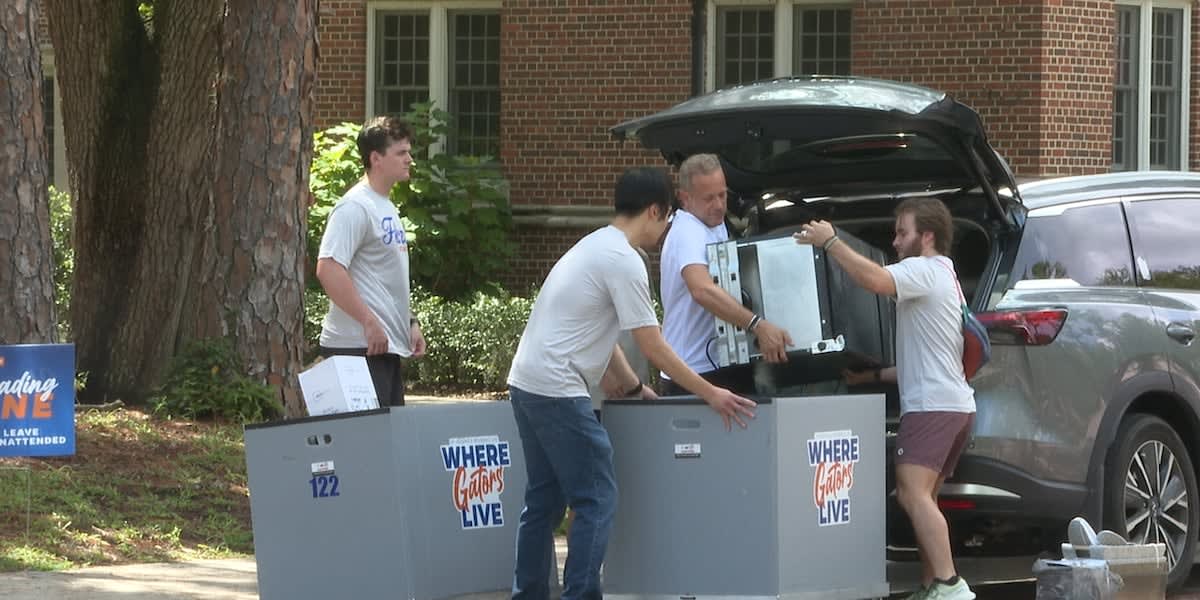
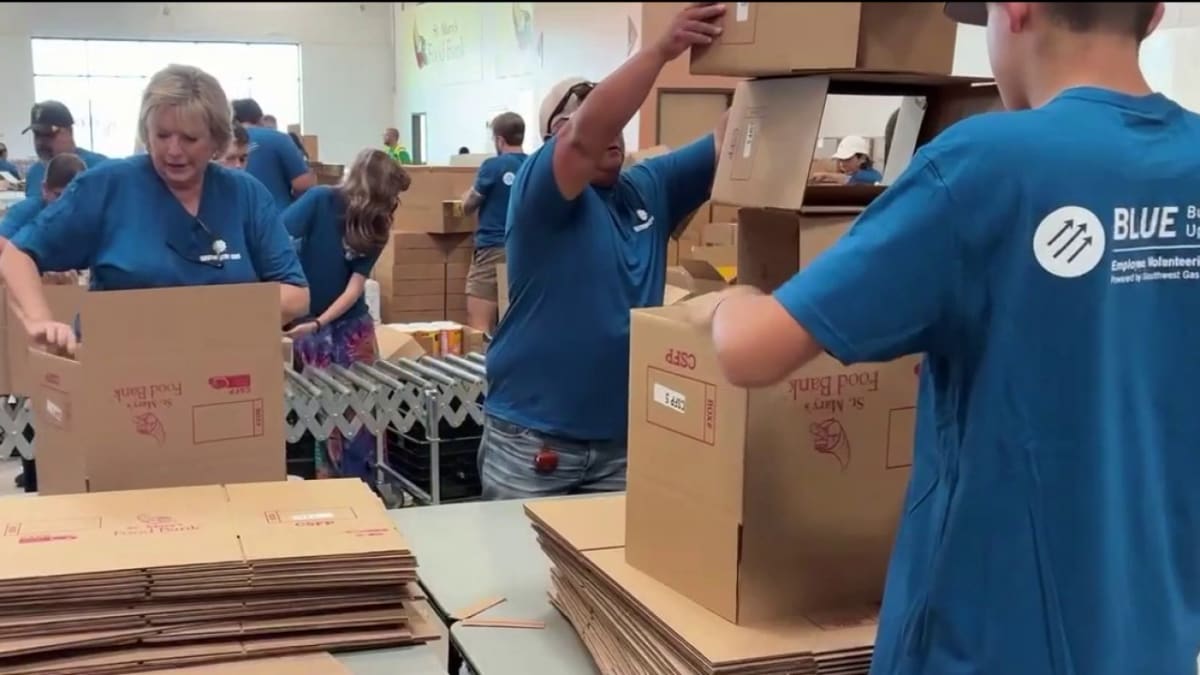
One in four Americans volunteered in their communities last year, maintaining a decades-long commitment to service that rebounded after COVID lockdowns. From disaster relief to local food drives, this culture of giving back shows no signs of slowing.
When devastating floods and tornadoes hit North Carolina in 2024, thousands of Americans didn't wait for official help. They mobilized through churches, nonprofits, and grassroots networks to deliver supplies, rebuild homes, and support families who lost everything.
That response wasn't unusual. It reflected something deeply woven into American culture: a commitment to showing up for neighbors in need.
Between 25 and 30 percent of Americans ages 15 and older have volunteered consistently since 2001, making the U.S. one of the world's leaders in community service. While participation in other civic activities has declined since the 1970s, volunteerism has held remarkably steady across two decades of economic ups and downs.
The numbers tell an interesting story about when Americans feel most motivated to serve. Volunteer rates dipped between 2008 and 2015, then surged sharply between 2016 and 2019 as economic confidence returned. When people feel hopeful about the future, they're more likely to invest time in their communities.
The COVID-19 pandemic caused a sharp drop in 2020 as lockdowns made volunteering difficult or impossible. But the partial recovery in 2021 suggests this habit runs deep in American life.
The data reveals who volunteers most: people with strong community ties. Married individuals volunteer at 27 percent compared to 18 percent for those who've never married. Parents with children under 18 participate at even higher rates, with married parents reaching 33 percent.
Religious involvement also plays a major role. Americans who regularly attend services are significantly more likely to volunteer, often through church-organized efforts that extend into the broader community.
Why This Inspires
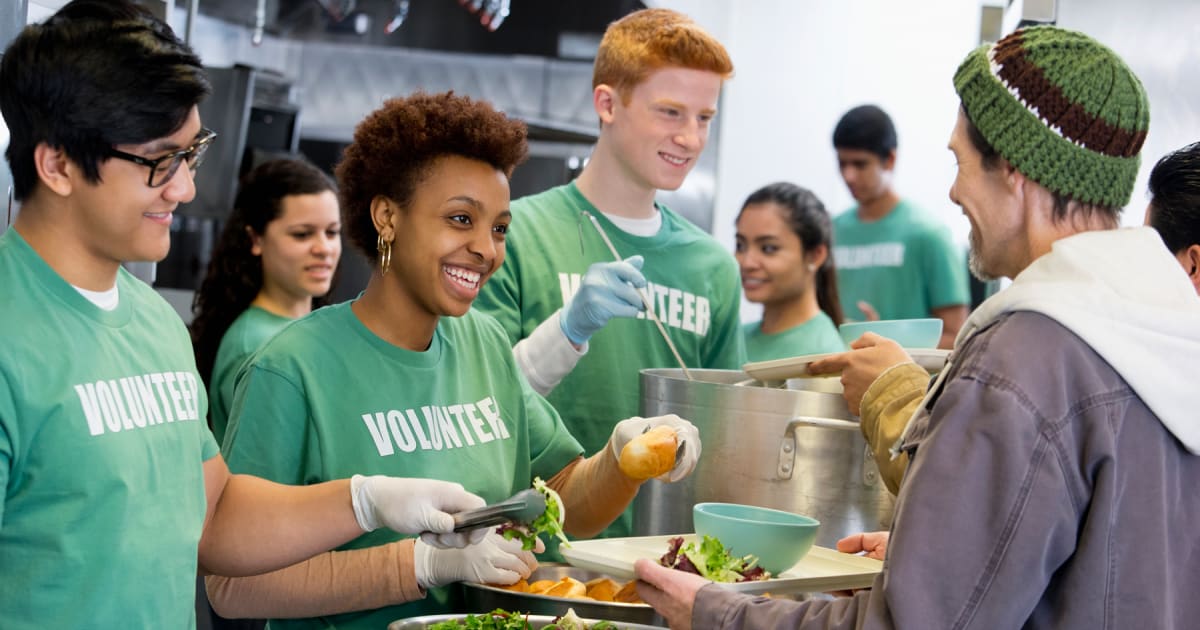
Volunteering creates a powerful cycle that benefits everyone involved. For communities, it means more support for families in crisis, better-funded food banks, and stronger connections between neighbors. For volunteers themselves, especially young people, it offers something increasingly rare: a sense of purpose found through serving others.
At a time when teenagers and young adults face rising rates of depression, anxiety, and digital isolation, volunteering offers a proven path forward. Getting involved in community service creates meaningful relationships and reminds us that we're part of something bigger than ourselves.
The evidence suggests that as more opportunities for service emerge, more people will step up. That's because Americans have shown for decades that when someone needs help, they're ready to answer the call.
More Images
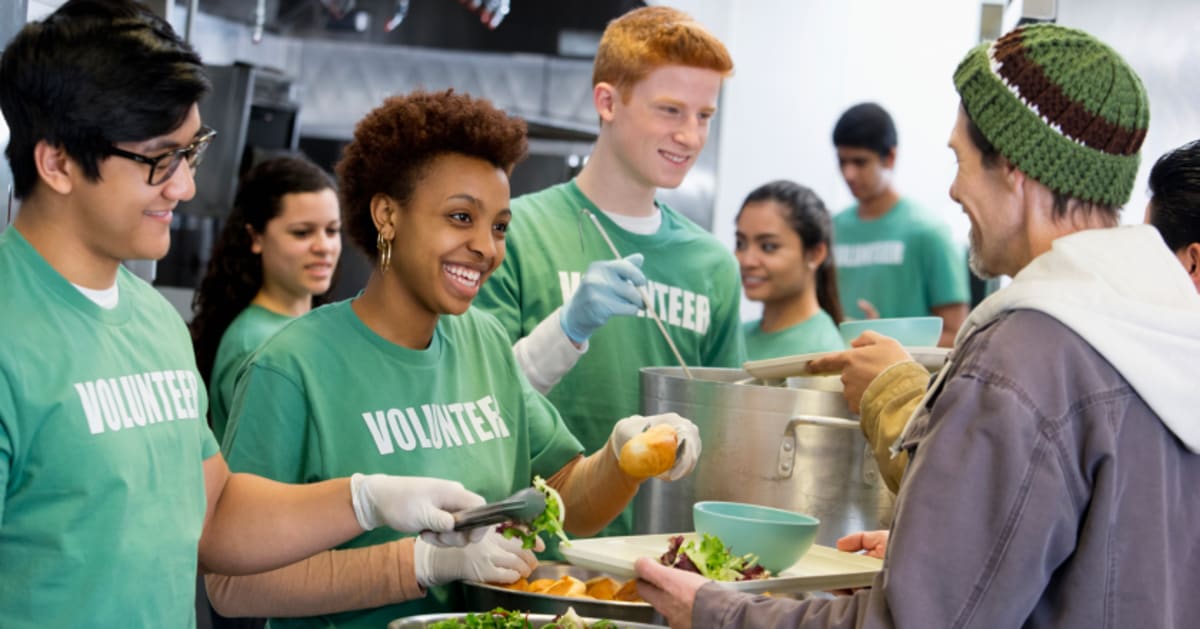
Based on reporting by Google: volunteers help
This story was written by BrightWire based on verified news reports.
Spread the positivity!
Share this good news with someone who needs it