Amsterdam Sends 2,000 Emergency Kits to Low-Income Families
Amsterdam is making sure its most vulnerable residents can prepare for emergencies by distributing 2,000 free emergency kits through food banks this summer. The city is stepping up where national guidelines left lower-income families behind.
When the Dutch government asked every household to stockpile 72 hours of emergency supplies, Amsterdam officials noticed a problem: not everyone could afford to prepare.
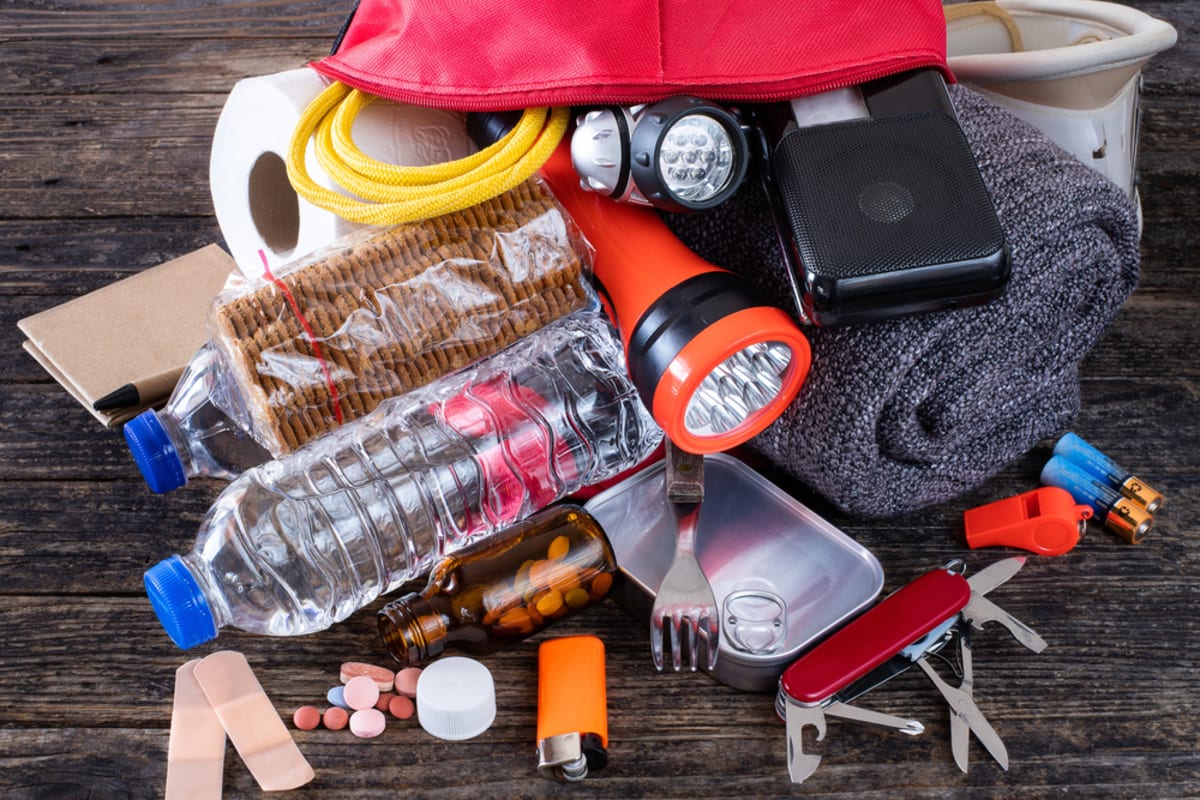
This summer, the city will distribute 2,000 free emergency kits to low-income families through its food bank network. Each package includes an emergency radio, first aid supplies, and a whistle to help residents stay safe during natural disasters, power outages, or other crises.
Mayor Femke Halsema and social affairs alderman Rutger Groot Wassink announced the initiative after recognizing that cost was preventing some residents from following national safety guidelines. Only 44% of Dutch households currently have emergency supplies ready, though that number has climbed from 35% since the government launched its preparedness campaign last year.
The city would love to help more families but faces budget constraints. Supporting 10,000 households would cost about 2 million euros, while reaching all 70,000 vulnerable families in Amsterdam would require 10 million euros.
The Ripple Effect
Amsterdam's approach highlights an often-overlooked truth about disaster preparedness: official guidelines only work when everyone can follow them. By targeting resources where they're needed most, the city is ensuring that safety doesn't become a luxury only some can afford.
The move also sends a powerful message to the national government. City leaders are calling on The Hague to take more substantial steps in helping lower-income households prepare for emergencies, arguing that crisis readiness should be accessible to all citizens regardless of their financial situation.
The European Union recommends that all households maintain 72 hours of emergency supplies. The Dutch government has mainly responded with an advisory booklet and a website called Denk Vooruit (Think Ahead), but Amsterdam is proving that practical support makes a real difference.
When the kits reach families this summer, they'll represent more than emergency supplies—they're a promise that the city won't leave its most vulnerable residents unprepared when crisis strikes.
Based on reporting by Dutch News
This story was written by BrightWire based on verified news reports.
Spread the positivity!
Share this good news with someone who needs it