Ancient 30-Foot Mystery: Scientists Find Unknown Life Form
A towering organism from 400 million years ago might be something never seen before—not plant, animal, or fungus. New research suggests Prototaxites could represent a completely unknown branch of life on Earth.
Scientists may have just confirmed that a mysterious 30-foot-tall ancient organism represents a form of life unlike anything we know today.
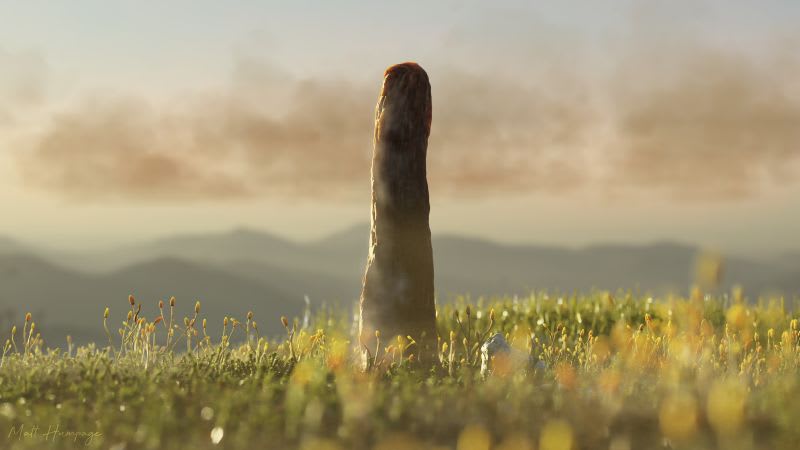
Long before dinosaurs walked the Earth or trees stretched toward the sky, strange tower-like structures called Prototaxites dominated the landscape. For 160 years since their discovery, scientists have puzzled over what these fossils actually were. Now, researchers at Edinburgh University have compelling evidence that they might be something entirely new to science.
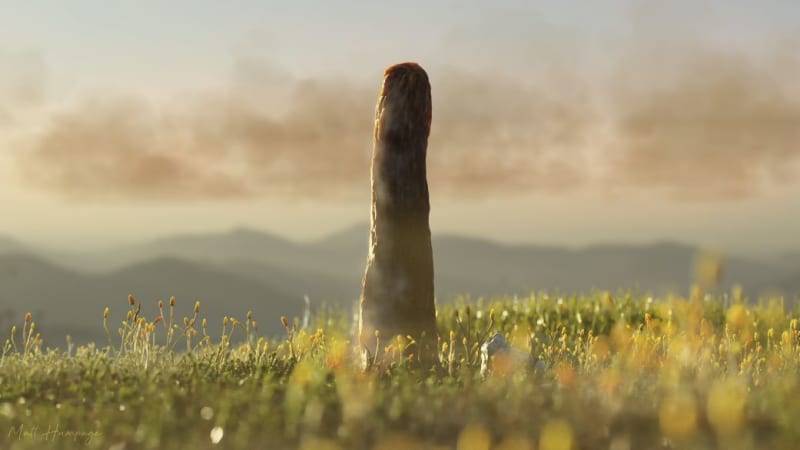
The fossils, found in Scotland's Rhynie chert near Aberdeen, date back 400 million years to a time when most land plants were barely three feet tall. These ancient organisms, however, could reach heights of 30 feet, standing like mysterious monuments over the prehistoric world.
At first glance in the 1800s, scientists thought they were looking at rotted conifer trunks. Closer inspection revealed interwoven tubes instead of plant cells. Some researchers suggested they were lichens, while others argued for fungi.
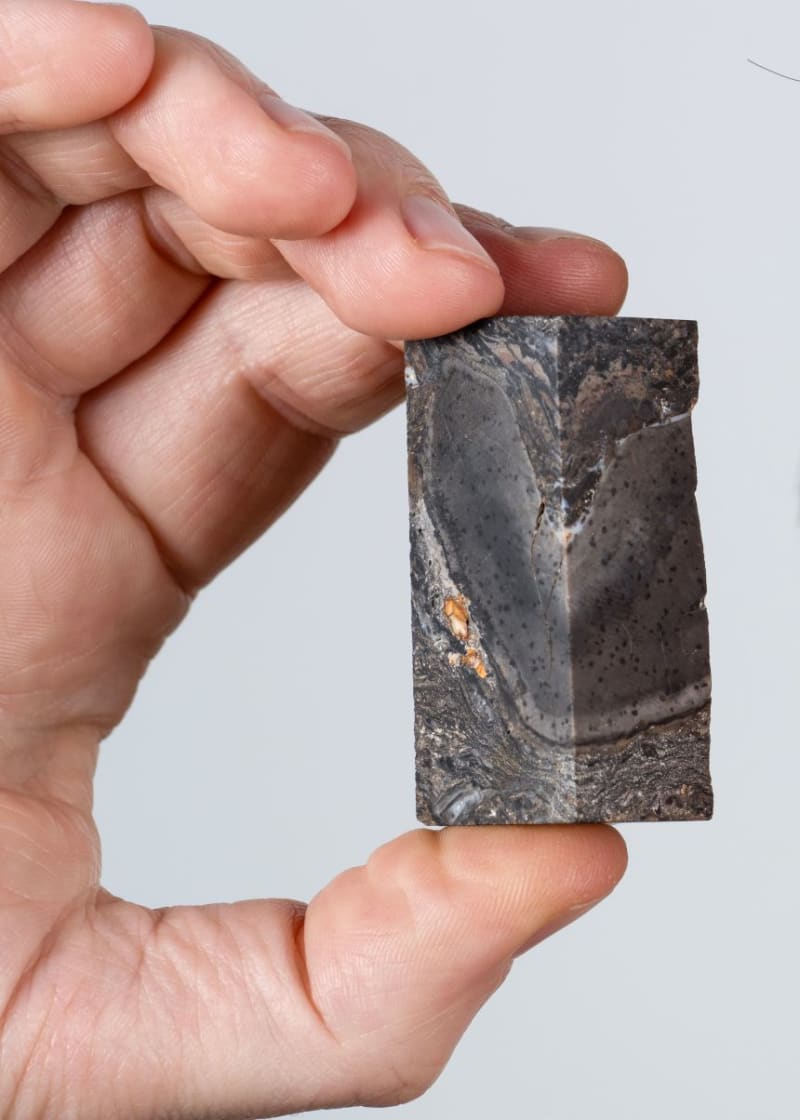
Researcher Corentin Loron and his team used cutting-edge technology to analyze the chemical signatures preserved in three Prototaxites fossils. The Rhynie chert site, once an ancient hot spring similar to Yellowstone, preserved these organisms so perfectly that their original molecular fingerprints remain detectable today.
The breakthrough came when the team compared Prototaxites to fossilized fungi found at the same site. Fungi contain specific compounds from chitin and glucan breakdown. Prototaxites had none of these telltale markers.
The organisms also displayed unique structural features never seen in any known fungi, living or extinct. Complex branching patterns within dark spherical spots suggest they may have exchanged gases or nutrients in ways completely different from modern life forms.
Why This Inspires
This discovery reminds us that Earth's story still holds mysteries waiting to be solved. In an age when we can sequence DNA and peer into distant galaxies, finding evidence of an entirely unknown form of multicellular life challenges everything we thought we knew about biology's family tree.
The research also shows how ancient life found creative ways to thrive in environments we can barely imagine. At a time when the land was mostly barren, these mysterious towers somehow flourished and dominated their world for millions of years.
Kevin Boyce, a Stanford professor who studies these fossils, notes that Prototaxites is too ancient to compare directly to modern mushrooms or algae. Whatever it was, it evolved independently and succeeded spectacularly in its time.
Loron admits there's still much to learn. How did these organisms anchor themselves? Did they stand upright their entire lives? His team plans more studies on similar tubular fossils to piece together the puzzle.
Sometimes the most exciting scientific discoveries aren't the answers but the questions they raise about what else might be waiting to be found.
More Images
Based on reporting by Google News - Science
This story was written by BrightWire based on verified news reports.
Spread the positivity!
Share this good news with someone who needs it